

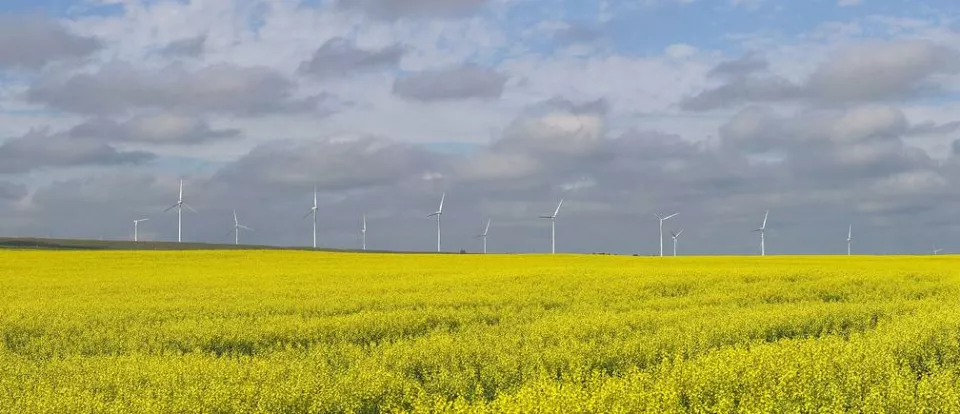
Where will our energy come from in 2030 and how green will it be
How can the energy industry adapt to meet the needs of a growing population while also supporting low-carbon growth? Katherine Hamilton, Director of the Project for Clean Energy and Innovation, and co-chair of the Global Future Council on the Future of Energy, says that this essential transition will not happen without collaboration between large energy companies, entrepreneurs, the finance sector and consumers. Why should we be thinking about the future of energy?The energy sector is already changing very rapidly. It is transitioning, we hope, towards greater ability to meet the energy needs of a growing global population with reduced use of carbon, supporting continued economic growth in an environmentally sustainable way.
But that transition will not necessarily happen on its own. We need to get key players in the same room who can bring different experiences and perspectives, and collectively come up with better ideas than any of us could on our own – and then work out how to implement those ideas. Hence the need for this Global Future Council.
Who are the key players that need to be involved?
The incumbents are important, of course – the large energy companies who own and control the infrastructure, especially in industrialized countries. They are often criticized as part of the problem, but they also have to be part of the solution. In addition, we need the innovators – entrepreneurs who are coming up with ideas to disrupt the sector. And we need input from energy consumers, including large corporations and municipalities.
Representatives of the financial sector are important – experts in bonds, risk and insurance. There is plenty of capital out there looking for good projects to finance, but the main constraint for investors is the assurance that those projects will find a market. Creating certainty is one important thing politicians and policymakers can do to help – and it is they who, ultimately, will need the vision to define goals for the energy sector and devise policies to achieve them.
What are the biggest emerging trends in the energy sector?
The decentralization of energy generation is an enormous trend. Innovation is also being democratized; it is no longer just the incumbents who can innovate. Consumers, increasingly, are in the driver’s seat; there is more real-time interaction between energy service providers and consumers – whether that is the operator of a factory with sophisticated demand response or an Indian farmer using a mobile phone to manage crops.
We are continuing to see drastic reductions in the cost of many renewable technologies as well as greater accessibility to energy storage and efficiency.
How far are we from renewables no longer needing subsidies to compete?
Any time you talk about subsidies for renewables, you also have to remember that incumbent players have benefited from built-in subsidies for decades through policy support and monopoly power. Often there is a misconception that energy was a free market before the idea of subsidizing renewables came along. That is not the case, and we need to recognize that when we ask how best to adjust the market for innovation going forward.
What kind of innovations are we seeing in energy, and what might we expect in the coming years?
The sharing economy will be increasingly important in the transport sector. There is potential to improve efficiency and greatly reduce emissions as we move towards more electric and autonomous vehicles.
There is also room to harness data to make the grid and entire energy ecosystem more efficient. The data is available, through advanced meters and mobile applications, for example, but we have yet to fully exploit that data to move energy to where it is needed, smartly and in real time.
I expect to see more “community solar” projects, as collective consumers invest in generating and storing power. There will be more distributed generation using a variety of technologies, such as solar, wind, geothermal, fuel cells, and hydropower. We will see further innovations in multiple uses of energy storage, such re-purposing car batteries to store electricity.
In the coming years we might see some breakthroughs in carbon capture and storage – and, no doubt, there will be innovations and applications nobody has thought of yet.
What needs to be on the agenda for energy stakeholders?
Above all, we must have a solid plan to reduce carbon, To reach that, we have to define what we value – not just improving access to energy, and guaranteeing energy security to meet the needs of economic growth, but doing all of this in a sustainable way and one in which carbon emissions are drastically reduced. Then we need clear and transparent benchmarks against which to measure our progress.
We also need a vision that combines the decentralized and the centralized – embracing more distributed generation, while looking at the larger system and how we can move energy around globally in real time.
Finally, how might the energy sector look by 2030?
I fear that we will be paying for our previous failures to reduce carbon emissions, and being increasingly preoccupied with climate change adaptation. But I also believe that we can have a sector that delivers much higher access to energy than today, with greater use of renewables, incentivizing innovation and creating economic growth while reducing our impact on the planet.

Tropical forests used to absorb carbon not any more
Jan 29, 2018
Four new 'superpowers' you should know about
Jan 23, 2018

China is creating new forests the size of ireland
Jan 13, 2018
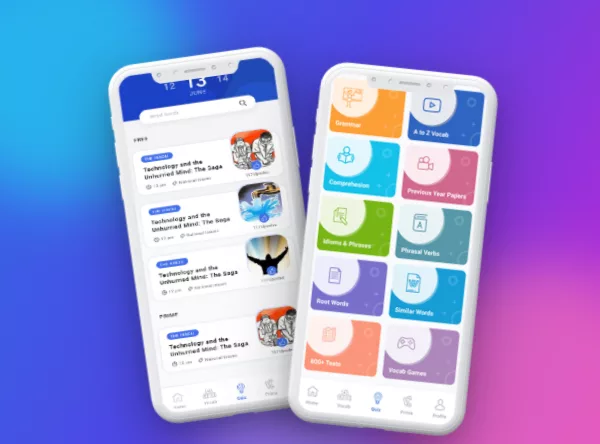





Stay updated with The Hindu Editorial Vocab24 app, your definitive source for breaking news and comprehensive coverage from India and around the globe. Whether it's political developments, business updates, sports highlights, the latest technology trends, or current events, The Hindu brings live, accurate, and reliable news directly to your device.
Don’t fall for sensationalized or fake news shared online. Read and share accurate updates with friends and family through The Hindu Editorial Vocab24 app. Download it today!
News Coverage in The Hindu Editorial Vocab24 App
Breaking News: Receive instant notifications on breaking news stories as they unfold. Stay informed about major events and developments in India and around the world with live blogs, news in shorts videos, and concise articles.
Politics: Get the latest updates on Indian politics, including elections, policy changes, government decisions, and political events that shape the nation.
Business and Economy: Stay ahead in the economic landscape with detailed business news and market analysis. Learn about stock market trends, financial reports, corporate news, and economic developments to make informed investment decisions.
Current Events: Follow stories on social issues, policy changes, global events, and daily current affairs, tailored for UPSC and other competitive exam preparations.
Technology: Keep up with the latest gadgets, innovations, and tech trends. Read expert reviews and analyses in short, concise updates on cutting-edge technology from India and beyond.
Sports: Never miss a moment of your favorite sports. Get live scores, match reports, and expert analysis on cricket, football, tennis, and more.
International News: Stay informed about global events and geopolitical developments, including the Russia-Ukraine war, Israel-Palestine conflict, and other key international stories.
Local News: Stay connected to your community with the latest updates on city events, issues, and local news. Coverage includes hyperlocal updates from cities like Bangalore, Chennai, Delhi, Hyderabad, Mumbai, Kolkata, and more.
Trending Topics: Discover what's trending today with the most talked-about stories and hot topics across India and the world.
Experience journalism that values integrity, accuracy, and reliability. Download The Hindu Editorial Vocab24 app today and stay connected with the world.
Subscribe to our newsletter!







