

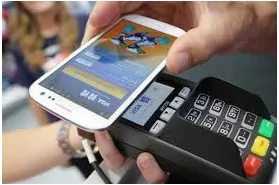
Digital payments don’t need fiscal intervention
The committee on digital payments, led by Andhra Pradesh chief minister N. Chandrababu Naidu, submitted its interim report this week. The committee was constituted after the Union government’s decision to withdraw high-value currency notes, which resulted in a cash crunch in the economy. Apart from measures to smoothen digital transactions, the committee has suggested changes such as imposing a banking cash transaction tax on transactions above Rs50,000. After it was reported that some of the suggestions of the committee may be considered in the forthcoming budget, the finance ministry has clarified that the government has not taken a final view on the recommendations and a decision will be taken in due course. The government would do well to move carefully and avoid decisions that will have negative implications in the long term. This newspaper supports the idea of moving to a less cash-dependent economy because of several attached benefits. For example, the use of digital platforms will leave a trail of transactions and make tax evasion more difficult, which will be a boon for an economy with serious fiscal constraints. At present, a number of things are working simultaneously in India that will increase transactions through digital modes. Technological developments such as increasing penetration of smartphones and development of applications such as the Bharat Interface for Money (BHIM) will help, for instance. The Reserve Bank of India (RBI) has given licences to new-age banks which are likely to come up with innovative solutions for payments as they roll out services. In fact, the shift to digital payments started before the currency swap was announced and a meaningful transition is likely to happen over time. Therefore, the government should avoid taking some of the measures suggested by the panel as there is no need for fiscal intervention. The proposal to tax cash transactions above Rs50,000 is a non-starter and will create unnecessary disruptions. It is surprising that the panel actually made such a recommendation. India has a large informal sector which functions on cash and will take its time to completely move to digital modes of payment. A tax on transaction will be avoided to the extent possible. It is likely that a lot of money will move out of the banking system just to avoid transaction tax. Consequently, the move can result in outcomes that are exactly the opposite of what is intended. Currently, transactions above Rs50,000 require furnishing the Permanent Account Number, which is sufficient for tracking; a new tax will only create complications. One of the ways to discourage cash usage is to significantly reduce, if not completely withdraw, high-value notes from circulation. A composition of currency notes in favour of smaller denominations, supplemented by a strong digital payments network, would be more useful in discouraging the use of cash. The panel has also suggested other measures, like a subsidy to non-income-tax assesses or small merchants for buying smartphones. It has further recommended tax refunds for consumers using digital payments. There are a number of problems with such ideas. There is no need for fiscal incentives to promote digital payments. It is highly unlikely that a subsidy of up to Rs1,000 for buying mobile phones will actually encourage people to use digital modes of payment. Similarly, there is no compelling need to give tax refunds to consumers as it will further complicate the tax structure and filling process which needs to be simplified. Likewise, special tax incentives to manufacture equipment such as micro ATMs should also be avoided, especially at a time when the government is working on reducing tax exemptions and bringing down rates. Instead of these measures, what is needed at this stage is development of a broad architecture that will smoothen the functioning of the entire digital finance ecosystem; recommendations to this effect have also been made by the panel. The government, along with the RBI, needs to work on plugging regulatory gaps so that the system is in a position to scale up and handle large volumes of transactions. Currently, there are disputes between banks and mobile wallets. More work is perhaps required at the operational level to ensure that transactions are secure and consumer interests are well protected. It is important to appreciate that the movement to digital payments will depend on technological developments, proper regulation and consumer protection. Fiscal intervention will only complicate matters.
The cycles of distress in indian agriculture
May 28, 2017
Bangladesh and india’s terrorism problem
Apr 01, 2017

Building a legal ecosystem for aadhaar
Mar 27, 2017
Job creation is vital for a new india
Mar 17, 2017






Stay updated with The Hindu Editorial Vocab24 app, your definitive source for breaking news and comprehensive coverage from India and around the globe. Whether it's political developments, business updates, sports highlights, the latest technology trends, or current events, The Hindu brings live, accurate, and reliable news directly to your device.
Don’t fall for sensationalized or fake news shared online. Read and share accurate updates with friends and family through The Hindu Editorial Vocab24 app. Download it today!
News Coverage in The Hindu Editorial Vocab24 App
Breaking News: Receive instant notifications on breaking news stories as they unfold. Stay informed about major events and developments in India and around the world with live blogs, news in shorts videos, and concise articles.
Politics: Get the latest updates on Indian politics, including elections, policy changes, government decisions, and political events that shape the nation.
Business and Economy: Stay ahead in the economic landscape with detailed business news and market analysis. Learn about stock market trends, financial reports, corporate news, and economic developments to make informed investment decisions.
Current Events: Follow stories on social issues, policy changes, global events, and daily current affairs, tailored for UPSC and other competitive exam preparations.
Technology: Keep up with the latest gadgets, innovations, and tech trends. Read expert reviews and analyses in short, concise updates on cutting-edge technology from India and beyond.
Sports: Never miss a moment of your favorite sports. Get live scores, match reports, and expert analysis on cricket, football, tennis, and more.
International News: Stay informed about global events and geopolitical developments, including the Russia-Ukraine war, Israel-Palestine conflict, and other key international stories.
Local News: Stay connected to your community with the latest updates on city events, issues, and local news. Coverage includes hyperlocal updates from cities like Bangalore, Chennai, Delhi, Hyderabad, Mumbai, Kolkata, and more.
Trending Topics: Discover what's trending today with the most talked-about stories and hot topics across India and the world.
Experience journalism that values integrity, accuracy, and reliability. Download The Hindu Editorial Vocab24 app today and stay connected with the world.
Subscribe to our newsletter!







