

Conflict poverty climate change fuel nigeria’s worsening malnutrition crisis
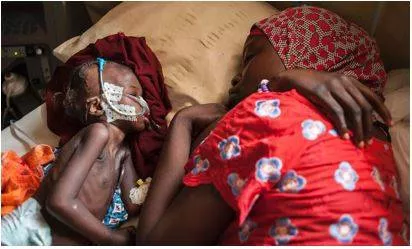
Over 600 children have died within six months, with cases of severe acute malnutrition rising by 208% compared to the previous year, says MSF; food insecurity also fuels armed conflict, as desperate families may turn to armed groups in exchange for food, thereby turning it into a vicious cycle.Nigeria is the largest economy in Africa, and one of its largest oil producers. Yet, the northern states of the country are in the grip of an acute malnutrition crisis. Over 600 children have died in northern Nigeria in the last six months due to malnourishment, and according to the medical charity, Doctors Without Borders (MSF), the region is “currently facing an alarming malnutrition crisis”.
Between January and June this year, cases of severe acute malnutrition among children rose by 208% compared to the corresponding period last year, marking a dramatic escalation of an already entrenched emergency.
In a statement released on July 25, the charity said: “Unfortunately, 652 children have already died in our facilities since the beginning of 2025 due to a lack of timely access to care”. The statement also noted that adults, especially pregnant and breastfeeding women, are being severely affected by this public health emergency. An MSF survey of 750 mothers showed that “more than half of adult caregivers were acutely malnourished, including 13% with severe acute malnutrition.” According to a study, the nutrition crisis in Nigeria severely threatens the health of pregnant women and their babies, increasing risks of maternal complications, and long-term developmental impairments.
These figures point to more than just a health crisis. They reflect the everyday realities of a region battered by conflict, climate stress, and poverty. Why are children in Nigeria’s north still starving, and what makes this region so vulnerable to hunger?
Ongoing crisis
Northern Nigeria is caught in an ongoing crisis of conflict and displacement that has uprooted millions over the years. The northeast continues to reel under the Boko Haram insurgency, while the northwest struggles with banditry and resource-driven clashes, together creating a cycle of instability and forced migration across the region.
Years of such relentless armed conflict have forced millions from their homes, cut families off from farmland and markets, and left civilians as direct victims of violence, creating a cycle of displacement and deepening food insecurity across the region.
Since 2002, the Boko Haram insurgency has torn through northeast Nigeria, displacing millions through waves of killings, abductions, and the destruction of entire communities. Women have borne a disproportionate share of this violence, often targeted in ways that leave lasting social and economic scars. This widespread upheaval has eroded livelihoods, disrupted agriculture, and severed access to essential food and healthcare services. As a result, malnutrition has surged.
Epidemiological studies have suggested that without the Boko Haram conflict, rates of childhood wasting would be up to 13 percentage points lower, a reduction that could have spared thousands of children from malnutrition-related illness and death.
‘Banditry’ crisis
Nigeria’s “banditry” crisis began as disputes between farmers and herders over scarce land and water in northern Nigeria, and gradually evolved into a full-blown banditry crisis, where armed groups now operate as organised criminal networks, targeting rural communities that have historically been neglected by the state. This violence has devastated farming and food supply chains, further tightening the grip of malnutrition across the region.
According to a recent Nigerian study, with formal safety nets in this part of Nigeria largely absent, food shortage itself risks becoming both a driver and a weapon of conflict. For families facing chronic malnutrition, the promise of food, shelter, or protection can make joining or supporting armed groups seem like a desperate but viable survival strategy. In this way, the absence of adequate nutrition and care does not just deepen human suffering, it fuels the very cycles of violence that continue to destabilise the region.
Climate pressures
According to the Nigerian study, climate change contributes to higher rates of acute child malnutrition, or wasting. As per a UNICEF report, severe wasting is responsible for one in five deaths among children under the age of five globally. Since wasting reflects short-term nutritional stress, it often serves as an early warning indicator that communities are struggling to cope with climate shocks. This is especially relevant in farming communities where people depend on predictable weather to grow food and earn a living.
Nigeria is a country that has faced rising temperatures and recurrent draughts. Northern and northeastern Nigeria are especially exposed to climate shocks, given their fragile food systems, weak public infrastructure, and persistent insecurity. These vulnerabilities compound the risk of malnutrition, as even minor disruptions in rainfall or harvests can quickly translate into food shortages and acute nutritional stress.
Weak health systems
While climate shocks and food insecurity are central drivers of child malnutrition, the crisis is compounded by another layer of vulnerability – the country’s fragile health system. Nigeria’s healthcare system faces deep structural challenges, including inadequate infrastructure, chronic underfunding, and a severe shortage of medical personnel.
According to the 2025 Nigeria Acute Malnutrition Disaster Brief, data from the 2021 Multiple Indicator Cluster Survey shows that more than 6.2 million children across the country had not received any vaccinations.
For many years, the U.S. Agency for International Development (USAID) played a central role in supporting humanitarian relief in northeastern Nigeria. However, foreign assistance was sharply reduced under the Trump administration, which moved to scale back USAID, citing concerns over inefficiency and political bias.

Pm proposes new growth initiatives at g 20
Nov 25, 2025
India s russian oil cuts predate u s tariffs data
Nov 22, 2025









Stay updated with The Hindu Editorial Vocab24 app, your definitive source for breaking news and comprehensive coverage from India and around the globe. Whether it's political developments, business updates, sports highlights, the latest technology trends, or current events, The Hindu brings live, accurate, and reliable news directly to your device.
Don’t fall for sensationalized or fake news shared online. Read and share accurate updates with friends and family through The Hindu Editorial Vocab24 app. Download it today!
News Coverage in The Hindu Editorial Vocab24 App
Breaking News: Receive instant notifications on breaking news stories as they unfold. Stay informed about major events and developments in India and around the world with live blogs, news in shorts videos, and concise articles.
Politics: Get the latest updates on Indian politics, including elections, policy changes, government decisions, and political events that shape the nation.
Business and Economy: Stay ahead in the economic landscape with detailed business news and market analysis. Learn about stock market trends, financial reports, corporate news, and economic developments to make informed investment decisions.
Current Events: Follow stories on social issues, policy changes, global events, and daily current affairs, tailored for UPSC and other competitive exam preparations.
Technology: Keep up with the latest gadgets, innovations, and tech trends. Read expert reviews and analyses in short, concise updates on cutting-edge technology from India and beyond.
Sports: Never miss a moment of your favorite sports. Get live scores, match reports, and expert analysis on cricket, football, tennis, and more.
International News: Stay informed about global events and geopolitical developments, including the Russia-Ukraine war, Israel-Palestine conflict, and other key international stories.
Local News: Stay connected to your community with the latest updates on city events, issues, and local news. Coverage includes hyperlocal updates from cities like Bangalore, Chennai, Delhi, Hyderabad, Mumbai, Kolkata, and more.
Trending Topics: Discover what's trending today with the most talked-about stories and hot topics across India and the world.
Experience journalism that values integrity, accuracy, and reliability. Download The Hindu Editorial Vocab24 app today and stay connected with the world.
Subscribe to our newsletter!







