

How syrian security forces emptied alawite suburb with eviction orders
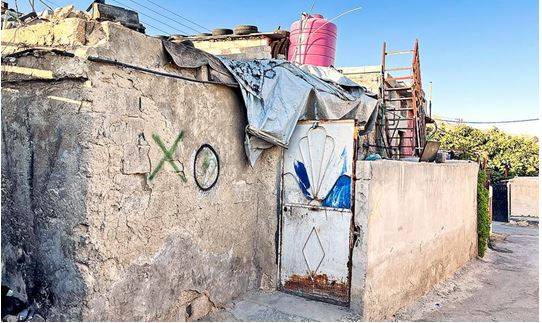
Residents say security forces went door-to-door, while spray-painting homes with ‘X’s and ‘O’s to mark who could stay or leave; the new rulers of Syria promise fair solutions; experts say any solution must address informal settlements and Assad-era expropriation without forcing families from homes.Syrian security forces stormed the rundown Damascus suburb in late August, toting guns, swords, and eviction orders. In their wake, they left the district’s homes spray-painted with big black “X”s and “O”s: marking who could stay and who must go.
The raids targeted al-Somaria, home to the families of thousands of former soldiers in the army of Bashar al-Assad, whose toppling by rebels nine months ago unleashed a wave of violence against the minority Alawite group to which he belongs.
The district is entangled in the toxic legacy of the Assad dynasty, which ruled Syria for more than five decades, crushing opposition from the majority Sunni Muslim population while handing top jobs and seizing land to Alawite loyalists.
On August 27-29, scores of security forces led by an interior Ministry commander known as Abu Hudhayfah went door-to-door, telling families they were living on land illegally seized by the Assads and demanding proof they owned their homes, according to a dozen residents and two local leaders who all said they experienced this treatment.
Those families who couldn’t immediately produce ownership documents saw the outer walls of their homes spray-painted with “O”s and affixed with printed eviction orders, the locals said in the final days of August.
“This is a notification to residents of illegal housing in al-Somaria to leave their houses in no more than 48 hours or face punishment under the law,” read the notices displayed on dozens of homes. The documents stated they had been issued by the “Public Housing Committee of the General Secretariat of the Presidency of the Republic”.
‘X and O’
Many dwellings were marked with “X”s, indicating they were safe, while others had both “X”s and “O”s, sprayed on by different groups of security forces over the course of the raids, the residents and local leaders said. Some homes with “X”s or with both signs also had eviction notices.
Dozens of male residents were interrogated about whether they had served in Assad’s army, the people interviewed said. Others were detained in a residential building that had been turned into a police station and were beaten there by the armed fighters, according to four residents, including three victims.
“I’m a lawyer and working towards my doctorate and even I got slapped around,” said Ali Barakat, a member of al-Somaria’s neighbourhood committee.
“I’ve been living in my house for 40 years. My father bought it with his blood, sweat, and tears so he could pass it on to me. I won’t give it up.”
Syria’s information and interior ministries didn’t respond to requests for comment on the eviction actions in al-Somaria, including what triggered the raids and whether they were authorised by the government.
Before the eviction raids, the almost entirely Alawite district of al-Somaria was home to about 22,000 people, nearly half of them families of former Assad soldiers, according to Barakat and a fellow member of the neighbourhood committee.
A week later, around 3,000 people remained, they said.
Members of the Assad clan, including Mr. Bashar, evicted Sunni residents from several suburbs of the capital and built housing to distribute to soldiers and their families, much of it cheap and poorly constructed one-storey homes. These districts formed an Alawite belt that protected the seat of power.
Al-Somaria itself was appropriated in the 1970s by Rifaat al-Assad, a powerful Syrian security official and brother of then-President Hafez al-Assad, Mr. Bashar’s father. Mr. Rifaat renamed the areaafter his son: Somar.
During the eviction raids last month, two residents said that they had produced ownership documents, but that Mr. Hudhayfah had dismissed the papers, telling them they dated back to the Assad era and were therefore considered invalid.
‘Unjust expropriation’
In a public statement on September 3, Damascus Governor Maher Marwan said that “what happened in al-Somaria was the result of the accumulation of problems of unjust expropriation and real estate corruption over decades of rule of the ousted regime.”
He said the new Syrian government was committed to resolving these issues fairly and transparently, without forced evictions. Legal committees would be formed to “review the expropriation of al-Somaria and the subsequent informal housing that have persisted for decades”, he added, without elaborating.
Miloon Kothari, an independent expert on human rights and social policy, and the first UN Special Rapporteur on adequate housing, described the raids in al-Somaria last month as a “succession of violations starting from the displacement to the fact that the community is now scattered and some are homeless”.
The sudden downfall of Mr. Assad in December last year saw the ascendancy of a new government led by former members of Hayat Tahrir al-Sham (HTS).
Challenges ahead
The evictions in al-Somaria are also emblematic of one of the thorniest dilemmas for Syria’s new rulers: how to address the legacy of property expropriation and reallocation by the Assad family that long exacerbated communal tensions.
The challenge of untangling property rights has taken on renewed urgency as Syria aims to implement several large infrastructure developments around Damascus, including a $2 billion scheme to announced by the government in early August establish a metro line.
Any future property developments should take sectarian sensitivities into account, said Moatasem al-Sioufi, executive director of The Day After, a Syrian non-profit working to support a democratic transition in Syria.
“A nationwide urban planning solution is needed that takes into account the issue of informal settlements,” he said. “However, any solution must certainly not involve eviction from their homes in this manner.”
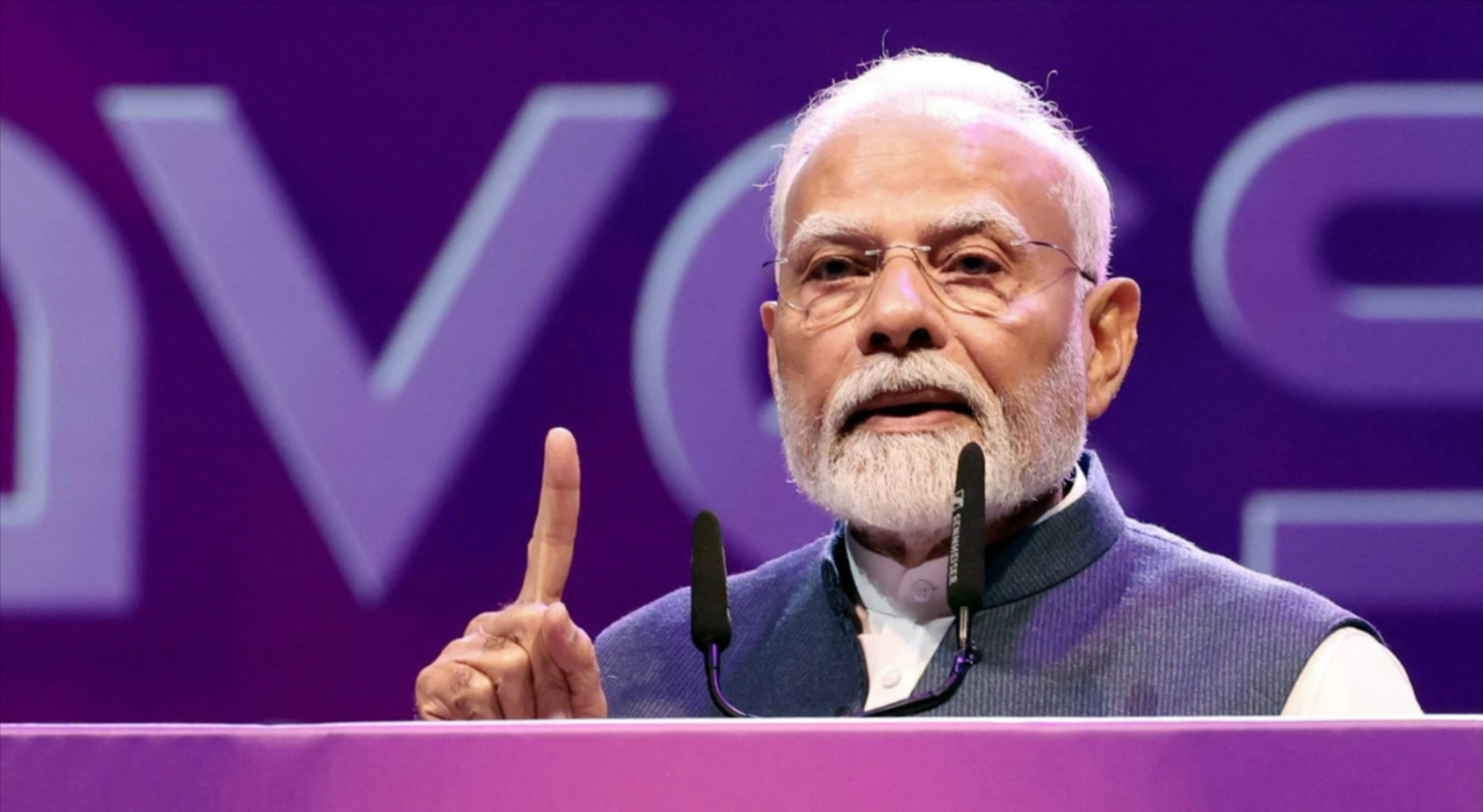
During the WAVES Summit in Mumbai, Prime Minister Narendra Modi underlined India's developing position in the global creative economic sector. During his opening address, India earned the description of an "orange economy" because cultural and creative sectors drive both financial growth and job creation. Rajnikanth and Mukesh Ambani joined
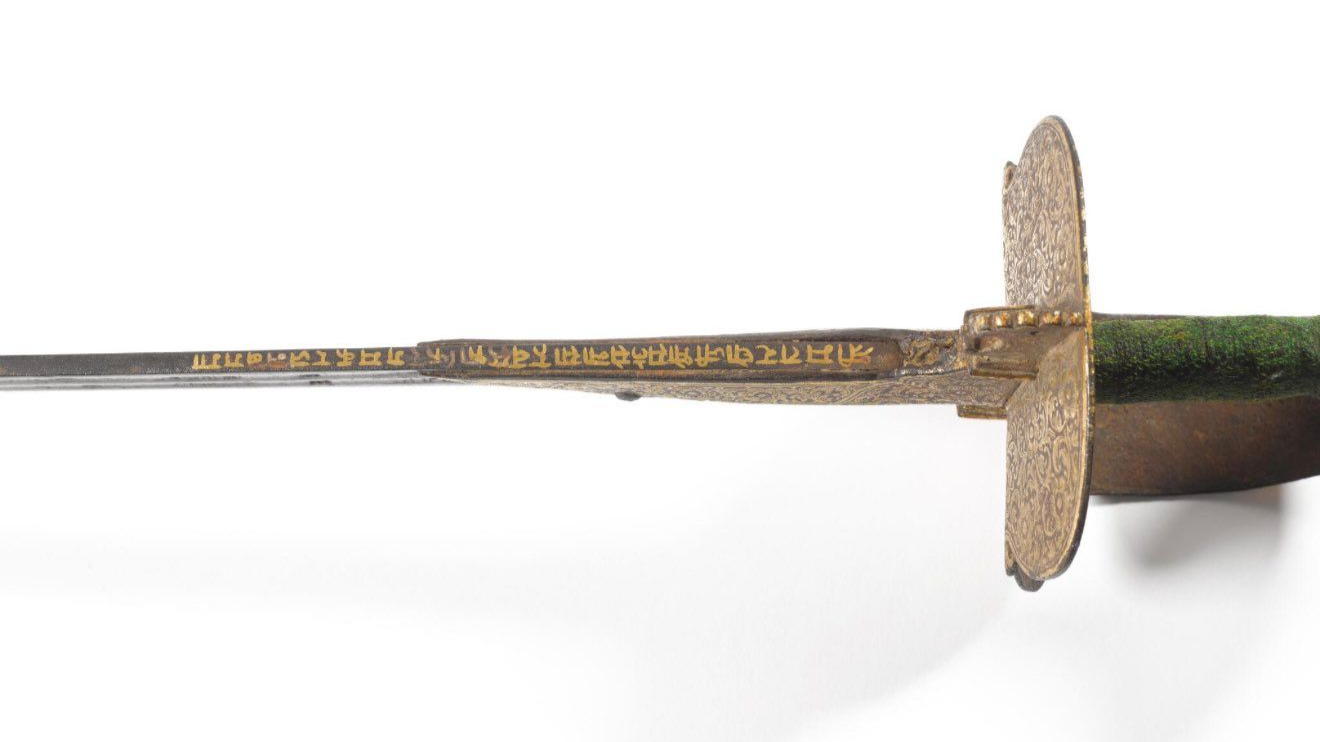
The Mahahtra government achieved a historical milestone by returning to India the historic sword of Raghuji Bhosale I during a Sotheby’s auction in London, which belonged to a notable 18th-century Maratha ruler. The state of Mahahtra achieves its first success in acquiring historical artifacts from international auctions. The bidding





Stay updated with The Hindu Editorial Vocab24 app, your definitive source for breaking news and comprehensive coverage from India and around the globe. Whether it's political developments, business updates, sports highlights, the latest technology trends, or current events, The Hindu brings live, accurate, and reliable news directly to your device.
Don’t fall for sensationalized or fake news shared online. Read and share accurate updates with friends and family through The Hindu Editorial Vocab24 app. Download it today!
News Coverage in The Hindu Editorial Vocab24 App
Breaking News: Receive instant notifications on breaking news stories as they unfold. Stay informed about major events and developments in India and around the world with live blogs, news in shorts videos, and concise articles.
Politics: Get the latest updates on Indian politics, including elections, policy changes, government decisions, and political events that shape the nation.
Business and Economy: Stay ahead in the economic landscape with detailed business news and market analysis. Learn about stock market trends, financial reports, corporate news, and economic developments to make informed investment decisions.
Current Events: Follow stories on social issues, policy changes, global events, and daily current affairs, tailored for UPSC and other competitive exam preparations.
Technology: Keep up with the latest gadgets, innovations, and tech trends. Read expert reviews and analyses in short, concise updates on cutting-edge technology from India and beyond.
Sports: Never miss a moment of your favorite sports. Get live scores, match reports, and expert analysis on cricket, football, tennis, and more.
International News: Stay informed about global events and geopolitical developments, including the Russia-Ukraine war, Israel-Palestine conflict, and other key international stories.
Local News: Stay connected to your community with the latest updates on city events, issues, and local news. Coverage includes hyperlocal updates from cities like Bangalore, Chennai, Delhi, Hyderabad, Mumbai, Kolkata, and more.
Trending Topics: Discover what's trending today with the most talked-about stories and hot topics across India and the world.
Experience journalism that values integrity, accuracy, and reliability. Download The Hindu Editorial Vocab24 app today and stay connected with the world.
Subscribe to our newsletter!







