

Weathering the h 1b challenge
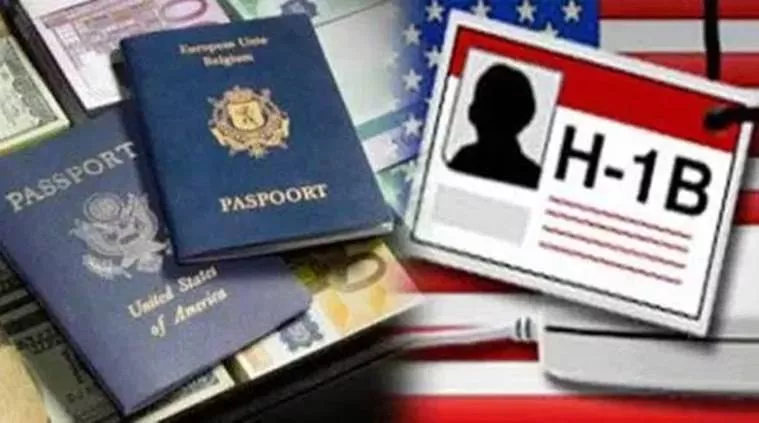
Free trade and liberal immigration policies are, broadly, economic positives on a macro scale. But political developments in Western polities over the past year or two show that ignoring the localized downsides they can potentially have is not a winning strategy. US President Donald Trump rode that particular resentment to victory in 2016, and he has continued to follow that script. In April 2017, he signed the “Buy American and Hire American” executive order. Since the order, various proposals have been made, or notified, that would make hiring H-1B workers difficult for companies. The latest one—ending grant of extensions to H-1B visa-holders who were waiting for permanent residency—was clarified on Monday as being withdrawn. But more trouble might be lurking in the future.The direction of recent policy, or at least the rhetoric, is intended to make life difficult for future immigrants, with proposals like: reserving 20% of the H-1B visas for small firms, which necessarily reduces the number of visas that Indian multinationals can apply for; raising the minimum salary to reduce the opportunity cost of hiring an American; rules deciding whether family members can seek work and if the worker can indefinitely stay in the country while waiting for the green card.
India has been the largest beneficiary of the old system, illustrated by the disproportionate number of visas—126,692, new and renewed—that were issued to Indians in 2016. And over 60% of the revenue of the $150-billion-plus Indian IT industry is from exports to the US. It follows that India will be among the major losers if the US decides to tighten the screws. This would make a significant dent on the bottom-line and cost-competitiveness of these companies. According to data published by the United States Citizenship and Immigration Services (USCIS), an increase in the salary threshold from $60,000, decided in 1998, to $100,000 will increase the wage bill for Infosys Ltd, Tata Consultancy Services Ltd, Wipro Ltd and Tech Mahindra Ltd by at least $1.7 billion.
In response, Indian firms have already picked up hiring in the US. TCS’ applications for work visas reduced by 30% in FY16, compared to FY15. Infosys also promised in May 2017 to hire 10,000 Americans and Wipro and HCL Technologies Ltd already have local workers that make up 50% and 65% of the workforce, respectively. In order to improve its cost competitiveness, Infosys, Wipro and TCS have been using their proprietary Artificial Intelligence (AI) platforms to increase productivity. In 2016-17, both Infosys and Wipro said these automation tools helped each of the firms record productivity worth work done by 12,000 engineers.
But challenges remain. Due to the rise of e-commerce, mobile computing and penetration of the internet, demand in the industry has shifted from traditional products—application creation and management—towards new technologies. Companies like International Business Machines and Accenture are winning a majority of the digital deals due to their capabilities in services like big data analytics and cloud computing. Forty per cent of Accenture’s revenue comes from the digital segment, which it has built up by acquiring more than a dozen companies in 2016. On the other hand, Indian companies have been lax in responding to the challenge, favouring organic growth to acquisitions. That’s why only 14% of Indian companies’ revenue come from their business in digital services and they’re losing out on a growing market.
New Delhi will, no doubt, continue pushing for freer movement of its skilled professionals across borders. It has been lobbying at the World Trade Organization (WTO) for multiple-entry visas on cross-border movement of services, relieving professionals on short stints from social security contributions, insurance visas, etc., as a part of the Trade Facilitation Agreement for Services. But judging by the opposition to this agenda—whether at the WTO or on a bilateral level—banking on success here would be naive.
Immigration restrictions and the threat to the traditional IT services niche that India occupies from automation, Artificial Intelligence and machine learning mean that change is on the horizon. The necessary transformation of the IT sector in response goes beyond evolving new business models and services. Re-skilling tens of thousands of employees to keep pace will be essential. So will be seizing the opportunity amid the upheaval. Tightening immigration controls in the US will mean more skilled homegrown professionals looking for opportunities in the Indian market—not only for employment but also in the start-up space. How governments and the Central and state level, as well as the IT industry, are able to harness and enable that manpower will go some way towards determining if they can weather the rise of populism in the US well or not.
Courtesy : Livemint Editorial


The non trivial costs of a slow judiciary
Jan 31, 2018
Very important the economic survey an overview
Jan 30, 2018
The conflict between equity and efficiency
Jan 29, 2018
Judicial primacy is not the same as exclusivity
Jan 25, 2018
Global monetary policy enters a decisive phase
Jan 25, 2018





Stay updated with The Hindu Editorial Vocab24 app, your definitive source for breaking news and comprehensive coverage from India and around the globe. Whether it's political developments, business updates, sports highlights, the latest technology trends, or current events, The Hindu brings live, accurate, and reliable news directly to your device.
Don’t fall for sensationalized or fake news shared online. Read and share accurate updates with friends and family through The Hindu Editorial Vocab24 app. Download it today!
News Coverage in The Hindu Editorial Vocab24 App
Breaking News: Receive instant notifications on breaking news stories as they unfold. Stay informed about major events and developments in India and around the world with live blogs, news in shorts videos, and concise articles.
Politics: Get the latest updates on Indian politics, including elections, policy changes, government decisions, and political events that shape the nation.
Business and Economy: Stay ahead in the economic landscape with detailed business news and market analysis. Learn about stock market trends, financial reports, corporate news, and economic developments to make informed investment decisions.
Current Events: Follow stories on social issues, policy changes, global events, and daily current affairs, tailored for UPSC and other competitive exam preparations.
Technology: Keep up with the latest gadgets, innovations, and tech trends. Read expert reviews and analyses in short, concise updates on cutting-edge technology from India and beyond.
Sports: Never miss a moment of your favorite sports. Get live scores, match reports, and expert analysis on cricket, football, tennis, and more.
International News: Stay informed about global events and geopolitical developments, including the Russia-Ukraine war, Israel-Palestine conflict, and other key international stories.
Local News: Stay connected to your community with the latest updates on city events, issues, and local news. Coverage includes hyperlocal updates from cities like Bangalore, Chennai, Delhi, Hyderabad, Mumbai, Kolkata, and more.
Trending Topics: Discover what's trending today with the most talked-about stories and hot topics across India and the world.
Experience journalism that values integrity, accuracy, and reliability. Download The Hindu Editorial Vocab24 app today and stay connected with the world.
Subscribe to our newsletter!







