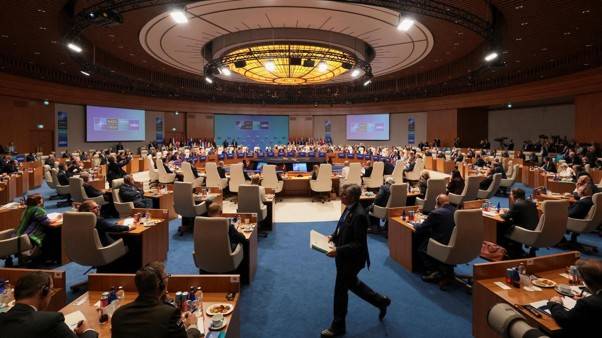
Warning signals for India from NATO’s Ankara summit
The heads of state or government of the 32 countries that are politico-military allies under the North Atlantic Treaty Organization (NATO) met in Ankara, Türkiye, on July 7-8, 2026 for what is called the Ankara Summit. Their stated objective was to review progress made since the 2025 Summit in The Hague and to set out a roadmap for continuing delivery on NATO’s key objectives.The gathering in Ankara is being regarded as one of NATO’s more successful summits, despite the abrasive presence of United States President Donald Trump, who devoted most of his speaking time to extolling the putative success of U.S. strategy and talking up the superiority of American weapons systems.
A strategic road map
Four substantive commitments came out of Ankara. First, the 32 NATO allies — too often divided by divergent objectives and capacities — agreed on their “ironclad commitment to (their) collective defence under Article 5 of the Washington Treaty, and to the transatlantic bond”; second, the unanimous endorsement of “The Hague defence commitment”, in which all NATO members undertook last year to allocate at least five per cent of their respective Gross Domestic Products (GDPs) on defence by 2035 — an unprecedented hike over the two per cent spending pledge that existed earlier. Third, NATO declared its “unwavering support for Ukraine in defending its freedom, sovereignty and territorial integrity”, and fourth, the alliance partners vowed to build a high technology, high capacity, Europewide defence industrial base (DIB) — the term for the network of firms, factories, laboratories and skilled workers needed to build and sustain a country’s military power.
The focus in Ankara was overwhelmingly on implementation — turning political commitments into military capability through investment, industrial capacity and innovation.
Russia accuses the U.S. and European democracies of unbridled expansionism, through NATO’s progressive incorporation of East and Central European countries. These include Poland, Romania, the Baltic states, and former Soviet republics that Moscow has historically regarded as lying within its sphere of influence. Russia’s invasion of Ukraine in 2022 was driven in part by the fear that Kyiv was inching towards joining the Atlantic alliance, a step that would have increased NATO’s numbers from just 12 countries at its founding in 1949 to 31 now. The Russian invasion effectively blocked Ukraine, but spooked historically neutral Finland and Sweden into abandoning nonalignment and becoming NATO’s 31st and 32nd members.
NATO’s transformations
NATO, however, sees itself not as expansionist, but as merely adapting to Europe’s changing strategic landscape. In 1990-91, with the relatively peaceful ending of the Cold War and the dissolution of the Warsaw Pact, NATO shifted its focus to out of area operations in theatres such as the Balkans. After the 9/11 strikes in 2001 on the World Trade Center towers, NATO made another strategic shift, joining the Global War on Terror. Now, with Russia and China joining hands in a new era of superpower confrontation, NATO is adapting once again.
It was evident from the discussions at the Ankara Summit that Europe has prioritised the revitalisation of its DIB. The European defence industry was struggling to scale up production even before the five per cent defence spending pledge at The Hague. European defence industry giants, MBDA and Rheinmetall, have warned of shortages in ammunition production.
Operation Epic Fury, the U.S.-Israel bombing campaign against Iran, illustrates the inevitability of weapons and ammunition shortages when Asian allies’ demands for U.S. weaponry compete with ongoing European needs. The U.S. has fired more than 850 Tomahawk cruise missiles at Iran during this campaign. At the current production rate of 85 per year, replacing these would take a decade.
Many NATO members have capable defence industrial bases, but there is little coordination of alliance-wide priorities. The resulting strategic mismatch has been found during the Ukraine war to cluster in the critical categories of air defence missiles and interceptors, precision guided munitions, and artillery rockets. While the U.S. decision to allow Ukraine to produce Patriot air defence systems under licence is a strong signal of support to Ukraine, more needs to be done.
Without a major revitalisation of Europe’s defence industry, NATO’s five per cent pledge will only deepen its dependency on the U.S. Half of Europe’s defence spending between 2022-2024, came from the U.S., up from 28% in 2019-2021. Foreign Military Sales notifications to the U.S. Congress for European customers have quadrupled since 2008 to $76 billion in 2024.
Need for self-reliance
For the world’s big arms buyers and especially for India, this spike in European demand is bad news. As NATO spends more, the international arms bazaar is shifting inexorably from a buyers’ market to a sellers’ market. The first sign of this was the delay by U.S. firm General Electric Aerospace in supplying India with F-404 fighter jet engines, which are critically needed for the Indian Air Force’s Tejas light combat aircraft programme.
Looking ahead, as India’s defence increasingly relies on new-age defence technologies and weaponry, such as drones, artificial intelligence, cyber and electronic warfare and resilient networks, it will become critical for its defence industry to achieve self-reliance in these technology realms, rather than relying on overstretched suppliers who have their
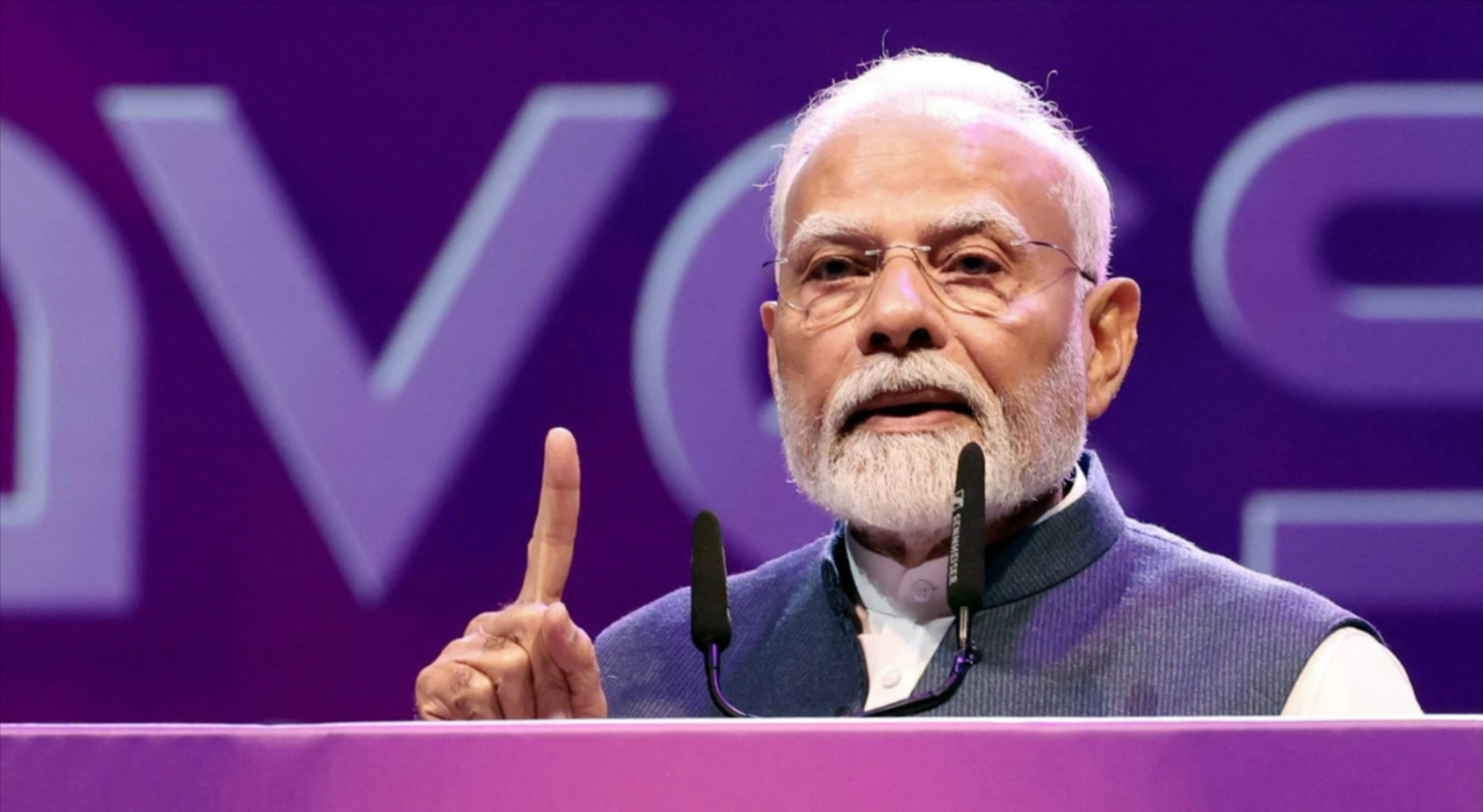
During the WAVES Summit in Mumbai, Prime Minister Narendra Modi underlined India's developing position in the global creative economic sector. During his opening address, India earned the description of an "orange economy" because cultural and creative sectors drive both financial growth and job creation. Rajnikanth and Mukesh Ambani joined
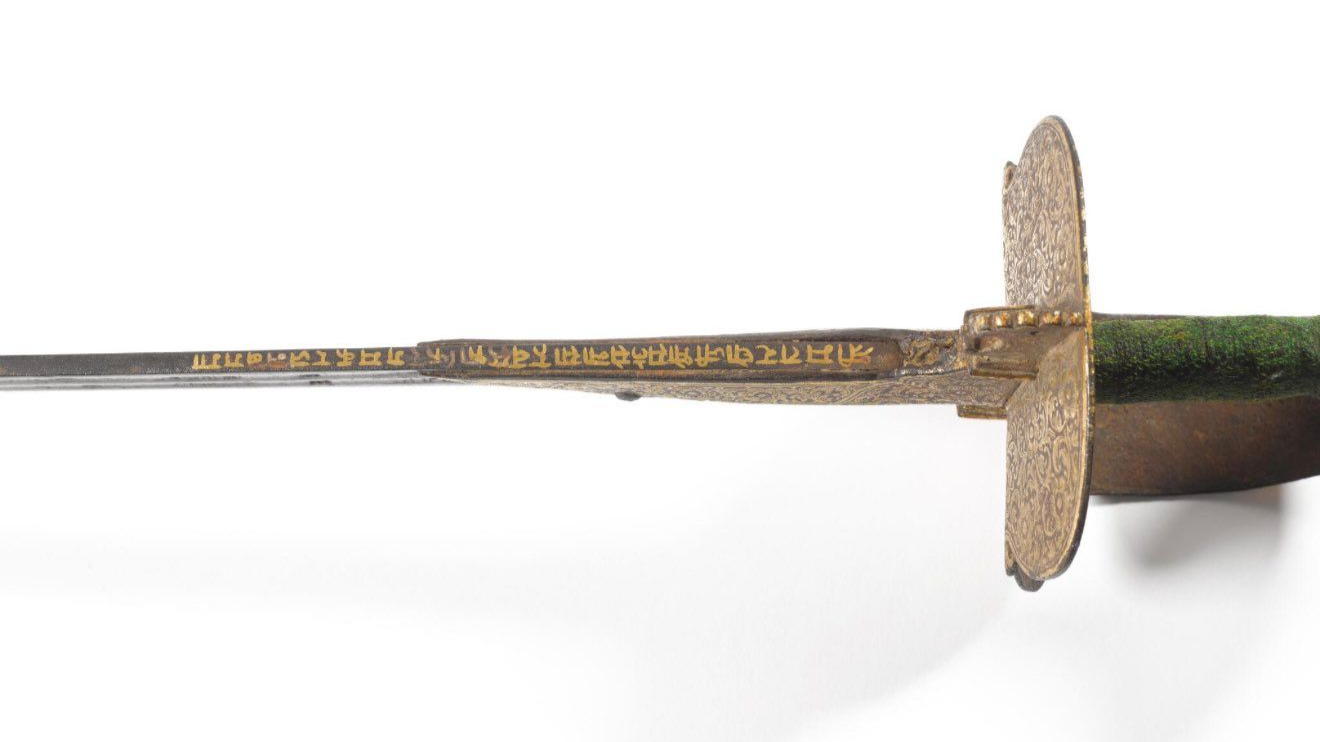
The Mahahtra government achieved a historical milestone by returning to India the historic sword of Raghuji Bhosale I during a Sotheby’s auction in London, which belonged to a notable 18th-century Maratha ruler. The state of Mahahtra achieves its first success in acquiring historical artifacts from international auctions. The bidding


Stay updated with The Hindu Editorial Vocab24 app, your definitive source for breaking news and comprehensive coverage from India and around the globe. Whether it's political developments, business updates, sports highlights, the latest technology trends, or current events, The Hindu brings live, accurate, and reliable news directly to your device.
Don’t fall for sensationalized or fake news shared online. Read and share accurate updates with friends and family through The Hindu Editorial Vocab24 app. Download it today!
News Coverage in The Hindu Editorial Vocab24 App
Breaking News: Receive instant notifications on breaking news stories as they unfold. Stay informed about major events and developments in India and around the world with live blogs, news in shorts videos, and concise articles.
Politics: Get the latest updates on Indian politics, including elections, policy changes, government decisions, and political events that shape the nation.
Business and Economy: Stay ahead in the economic landscape with detailed business news and market analysis. Learn about stock market trends, financial reports, corporate news, and economic developments to make informed investment decisions.
Current Events: Follow stories on social issues, policy changes, global events, and daily current affairs, tailored for UPSC and other competitive exam preparations.
Technology: Keep up with the latest gadgets, innovations, and tech trends. Read expert reviews and analyses in short, concise updates on cutting-edge technology from India and beyond.
Sports: Never miss a moment of your favorite sports. Get live scores, match reports, and expert analysis on cricket, football, tennis, and more.
International News: Stay informed about global events and geopolitical developments, including the Russia-Ukraine war, Israel-Palestine conflict, and other key international stories.
Local News: Stay connected to your community with the latest updates on city events, issues, and local news. Coverage includes hyperlocal updates from cities like Bangalore, Chennai, Delhi, Hyderabad, Mumbai, Kolkata, and more.
Trending Topics: Discover what's trending today with the most talked-about stories and hot topics across India and the world.
Experience journalism that values integrity, accuracy, and reliability. Download The Hindu Editorial Vocab24 app today and stay connected with the world.
Subscribe to our newsletter!