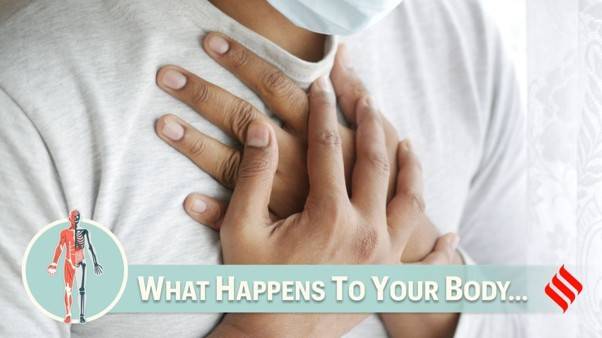
This is what happens to the body when you hold your breath for as long as possible
Most people have held their breath at some point, whether while swimming, playing a game or simply testing how long they can go without inhaling. Social media challenges and videos featuring breath-holding records have also fuelled curiosity about the limits of the human body. While holding your breath for a few seconds is generally harmless for healthy individuals, attempting to do so for as long as possible triggers a series of physiological changes that many people are unaware of.As soon as breathing stops, the body begins using the oxygen already present in the lungs and bloodstream while carbon dioxide starts accumulating. It is the rising carbon dioxide levels, not falling oxygen alone, that usually create the powerful urge to breathe.
For most people, intentionally pushing breath-holding to the limit offers no health benefit and, in some situations, can be dangerous. Understanding what happens inside the body during prolonged breath-holding can help separate normal physiological responses from warning signs that require caution, especially for people with underlying heart or lung conditions or those attempting breath-holding in water.
What happens inside the body when you hold your breath?
Dr Palleti Siva Karthik Reddy, MBBS, MD, General Medicine, FAIG, Consultant Physician at Elite Care Clinic, tells indianexpress.com, “When a person holds their breath, the body initially continues to use the oxygen already present in the lungs and bloodstream while carbon dioxide gradually accumulates. Contrary to popular belief, the earliest trigger is not falling oxygen but rising carbon dioxide levels. As carbon dioxide increases, the brain’s respiratory centres become more active, creating an increasingly intense urge to breathe.”
He continues, “Heart rate may slow slightly as part of the body’s natural oxygen-conserving response, while blood vessels supplying vital organs such as the brain and heart dilate to maintain oxygen delivery. As breath-holding continues, oxygen levels eventually begin to fall, which can impair concentration, judgment and coordination. If prolonged beyond the body’s limits, the reduced oxygen supply can lead to dizziness, confusion and, in extreme cases, loss of consciousness.”
Why do we feel the urge to breathe?
The primary drive to breathe comes from rising carbon dioxide rather than falling oxygen. Specialised receptors in the brain and blood vessels continuously monitor carbon dioxide levels, and once they cross a certain threshold, they trigger an overwhelming urge to breathe.
“Repeatedly attempting to suppress this natural reflex can be dangerous, particularly during swimming. Some individuals deliberately hyperventilate before breath-holding, which lowers carbon dioxide without significantly increasing oxygen stores. This delays the urge to breathe while oxygen continues to decline, increasing the risk of sudden loss of consciousness underwater, a condition known as shallow water blackout. This can occur without warning and may lead to drowning even in otherwise healthy individuals,” stresses Dr Reddy.
Is breath-holding good for your health?
When performed under proper guidance, Dr Reddy states, controlled breath-holding can be incorporated into certain breathing practices, meditation techniques and specialised athletic training to improve breath awareness, respiratory efficiency and tolerance to elevated carbon dioxide. “However, these benefits are generally seen in structured settings and should not be confused with attempting to hold one’s breath for as long as possible.”
“Individuals with heart disease, uncontrolled high blood pressure, chronic lung conditions, epilepsy or a history of fainting should avoid breath-holding exercises unless specifically advised by their doctor. For the general public, breath-holding should always be practised on land, in a seated or supervised environment, and never alone in water. The goal should be controlled breathing and relaxation rather than pushing the body to its physiological limits,’ concludes Dr Reddy.
DISCLAIMER: This article is based on information from the public domain and/or the experts we spoke to. Always consult your health practitioner before starting any routine.
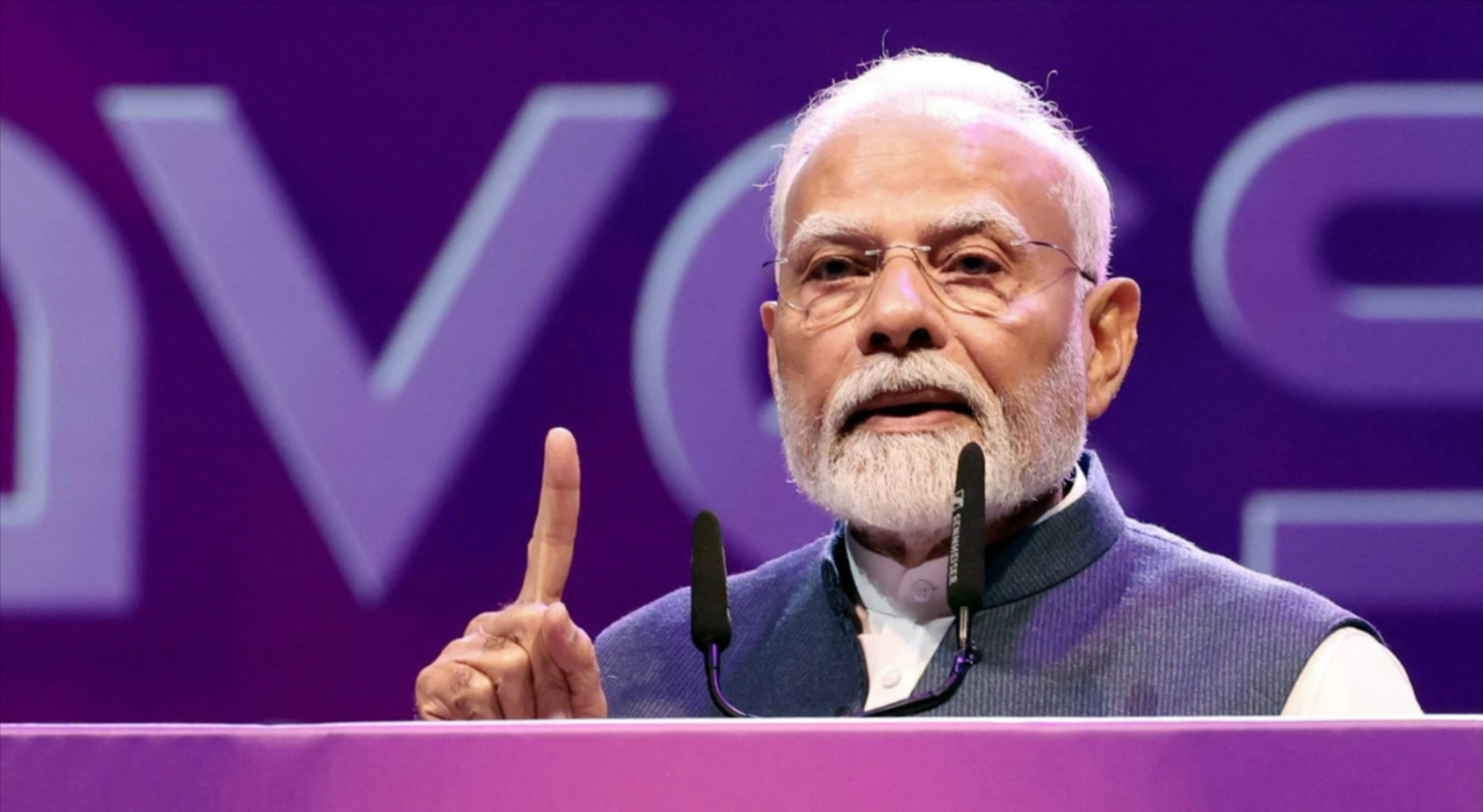
During the WAVES Summit in Mumbai, Prime Minister Narendra Modi underlined India's developing position in the global creative economic sector. During his opening address, India earned the description of an "orange economy" because cultural and creative sectors drive both financial growth and job creation. Rajnikanth and Mukesh Ambani joined

The Mahahtra government achieved a historical milestone by returning to India the historic sword of Raghuji Bhosale I during a Sotheby’s auction in London, which belonged to a notable 18th-century Maratha ruler. The state of Mahahtra achieves its first success in acquiring historical artifacts from international auctions. The bidding


Stay updated with The Hindu Editorial Vocab24 app, your definitive source for breaking news and comprehensive coverage from India and around the globe. Whether it's political developments, business updates, sports highlights, the latest technology trends, or current events, The Hindu brings live, accurate, and reliable news directly to your device.
Don’t fall for sensationalized or fake news shared online. Read and share accurate updates with friends and family through The Hindu Editorial Vocab24 app. Download it today!
News Coverage in The Hindu Editorial Vocab24 App
Breaking News: Receive instant notifications on breaking news stories as they unfold. Stay informed about major events and developments in India and around the world with live blogs, news in shorts videos, and concise articles.
Politics: Get the latest updates on Indian politics, including elections, policy changes, government decisions, and political events that shape the nation.
Business and Economy: Stay ahead in the economic landscape with detailed business news and market analysis. Learn about stock market trends, financial reports, corporate news, and economic developments to make informed investment decisions.
Current Events: Follow stories on social issues, policy changes, global events, and daily current affairs, tailored for UPSC and other competitive exam preparations.
Technology: Keep up with the latest gadgets, innovations, and tech trends. Read expert reviews and analyses in short, concise updates on cutting-edge technology from India and beyond.
Sports: Never miss a moment of your favorite sports. Get live scores, match reports, and expert analysis on cricket, football, tennis, and more.
International News: Stay informed about global events and geopolitical developments, including the Russia-Ukraine war, Israel-Palestine conflict, and other key international stories.
Local News: Stay connected to your community with the latest updates on city events, issues, and local news. Coverage includes hyperlocal updates from cities like Bangalore, Chennai, Delhi, Hyderabad, Mumbai, Kolkata, and more.
Trending Topics: Discover what's trending today with the most talked-about stories and hot topics across India and the world.
Experience journalism that values integrity, accuracy, and reliability. Download The Hindu Editorial Vocab24 app today and stay connected with the world.
Subscribe to our newsletter!