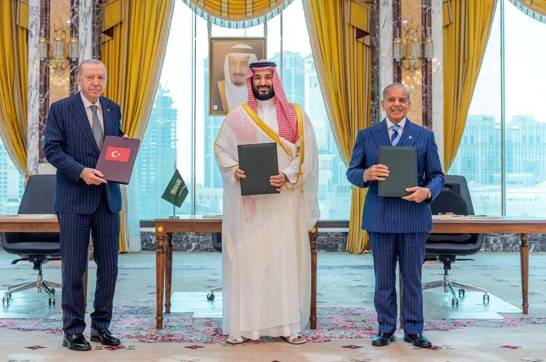
The Mecca Pact and the rise of strategic hedging
The mutual defence agreement signed by Saudi Arabia, Türkiye and Pakistan in Mecca on August 7 could mark an important turning point in the geopolitics of West Asia. Its significance lies not merely in its provision that an attack upon one member will be considered an attack upon all three, but in what it reveals about the changing calculations of three of the most important states in the Muslim world. For decades, West Asian, especially the Gulf, security has depended overwhelmingly upon the United States. The new pact does not terminate that dependence. Saudi Arabia remains closely tied to Washington militarily, Türkiye is a member of the North Atlantic Treaty Organization (NATO), and Pakistan retains an important, if complicated, relationship with the U.S. which has been recently strengthened because of the personal chemistry between U.S. President Donald Trump and Field Marshal Asim Munir. What the agreement suggests instead is a growing determination among regional powers to supplement external security guarantees with arrangements of their own.The partners, complementary strengths
The three partners bring remarkably complementary capabilities. Saudi Arabia provides enormous financial resources, energy power and political influence throughout the Arab and Islamic worlds. Türkiye contributes the strongest conventional military establishment among the Muslim countries of West Asia and a rapidly expanding indigenous defence industry. Pakistan contributes a large professional military and decades of military cooperation with Saudi Arabia. But its most important strategic attribute is its nuclear weapons. Although Pakistan has not formally extended a nuclear guarantee to its partners, an adversary contemplating an attack upon one member must now take Pakistan’s nuclear capabilities into account.
Each participant has distinctive reasons for joining. For Saudi Arabia, the agreement provides strategic insurance. The attacks on Saudi oil installations in 2019, subsequent regional crises and the current confrontation with Iran have demonstrated the risks of excessive dependence upon a single external guarantor.
Türkiye sees the arrangement through the prism of strategic autonomy. President Recep Tayyip Erdoğan has sought to transform Türkiye from NATO’s southeastern flank into an independent centre of power. The pact expands Ankara’s influence into the Gulf and South Asia while creating opportunities for its growing defence industry.
For Pakistan, the agreement widens the country’s strategic horizons beyond its traditional rivalry with India. It institutionalises Islamabad’s close relations with Saudi Arabia and Türkiye and converts Pakistan’s considerable military capabilities into greater geopolitical influence.
The pact through India’s eyes
This inevitably raises questions for India. New Delhi has cultivated exceptionally close relations with Saudi Arabia during the past two decades. Therefore, India must not interpret the pact automatically as an anti-Indian development. Riyadh has enormous economic and strategic interests in maintaining good relations with India and would have little incentive to allow the agreement to become an instrument in Pakistan’s disputes with New Delhi.
Türkiye presents a more complicated problem because Ankara has repeatedly supported Pakistan’s position on Kashmir and supplied weapons that Pakistan has used against India. New Delhi should seek explicit reassurance from Riyadh that the pact has no application to an India-Pakistan confrontation but it should resist viewing the emerging alignment exclusively through the prism of Pakistan.
The pact’s implications for Iran are very complicated. Given the Saudi-Iranian rivalry and recent Iranian attacks on Saudi Arabia, and vice-versa, it is tempting to interpret it as an anti-Iranian coalition. However, Türkiye and Pakistan share borders with Iran with complementary interests in keeping their restive minorities inhabiting the border regions in check.
They thus have strong reasons to avoid confrontation with Tehran. Israel is likely to view the development with greater concern. One of its enduring strategic advantages has been the political and military fragmentation of the Muslim world. The Mecca agreement does not explicitly create an anti-Israeli alliance. Nevertheless, an institutionalised relationship combining Saudi financial power, Turkish conventional strength and Pakistani nuclear capability inevitably alters strategic calculations.
For Washington, the pact presents a paradox. The U.S. has long demanded that regional partners assume greater responsibility for their own defence. But greater responsibility can also produce greater strategic autonomy and consequently diminish American leverage.
Put together by regional powers
It would be premature to describe the agreement as an anti-American realignment. Saudi Arabia continues to depend heavily upon American military technology and security guarantees; Türkiye remains in NATO; and Pakistan has no interest in unnecessary confrontation with Washington in the midst of their current love fest. The more appropriate description is strategic hedging. But when several major states begin hedging simultaneously, their cumulative actions can transform the regional order.
For most of the modern era, West Asian security arrangements have been created or guaranteed by outside powers. The Mecca pact raises the possibility of something different: a more autonomous security architecture constructed by regional powers themselves. India, with enormous economic, energy and strategic stakes in West Asia, cannot remain a spectator to that transformation but, at the same time, should not react to it with undue alarm.
The agreement between Saudi Arabia, Türkiye and Pakistan could end decades of externally guaranteed West Asian security arrangements
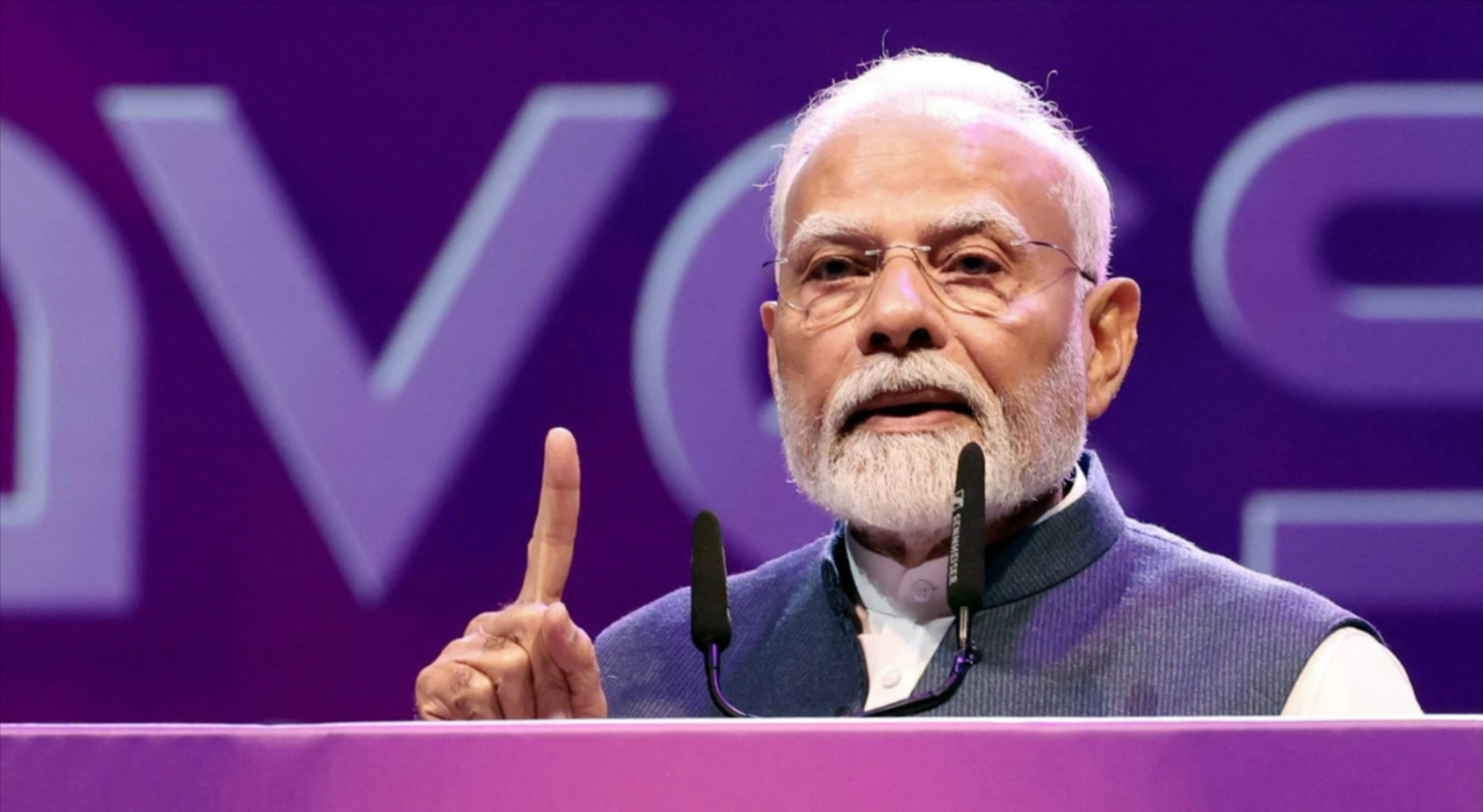
During the WAVES Summit in Mumbai, Prime Minister Narendra Modi underlined India's developing position in the global creative economic sector. During his opening address, India earned the description of an "orange economy" because cultural and creative sectors drive both financial growth and job creation. Rajnikanth and Mukesh Ambani joined
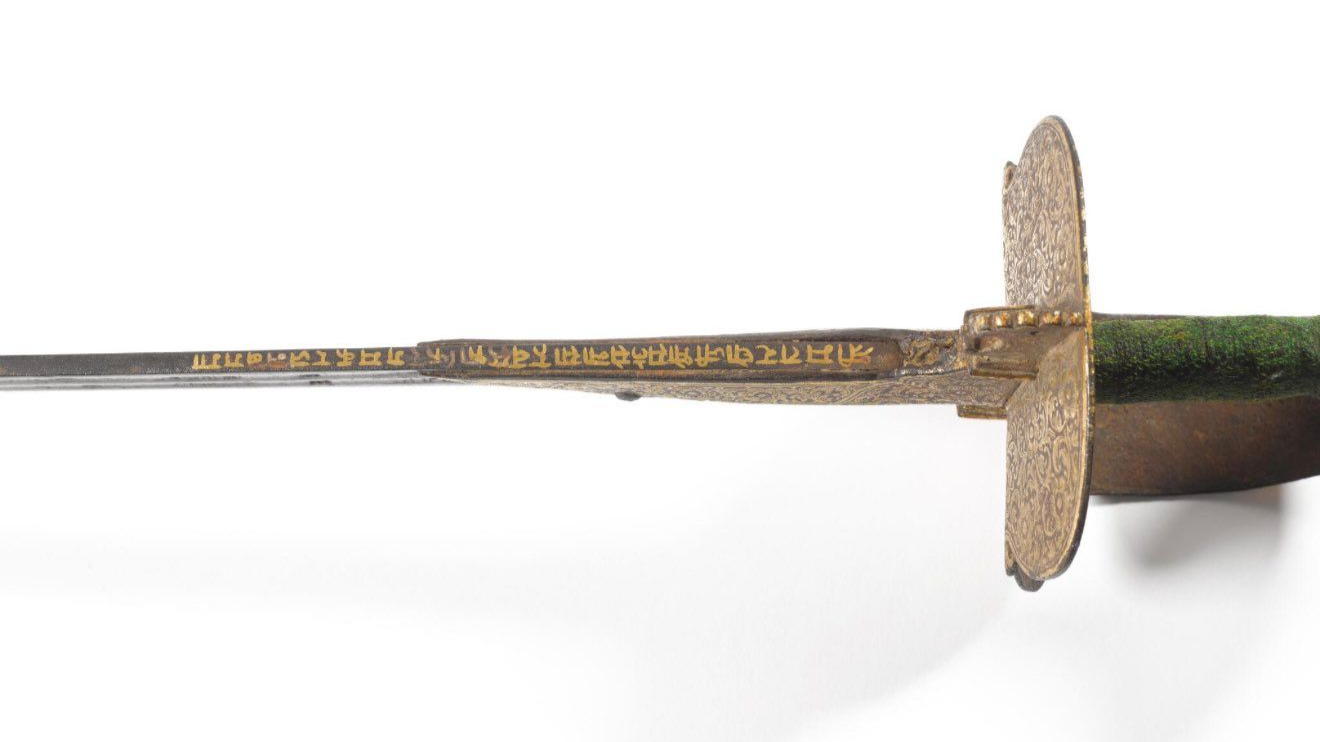
The Mahahtra government achieved a historical milestone by returning to India the historic sword of Raghuji Bhosale I during a Sotheby’s auction in London, which belonged to a notable 18th-century Maratha ruler. The state of Mahahtra achieves its first success in acquiring historical artifacts from international auctions. The bidding


Stay updated with The Hindu Editorial Vocab24 app, your definitive source for breaking news and comprehensive coverage from India and around the globe. Whether it's political developments, business updates, sports highlights, the latest technology trends, or current events, The Hindu brings live, accurate, and reliable news directly to your device.
Don’t fall for sensationalized or fake news shared online. Read and share accurate updates with friends and family through The Hindu Editorial Vocab24 app. Download it today!
News Coverage in The Hindu Editorial Vocab24 App
Breaking News: Receive instant notifications on breaking news stories as they unfold. Stay informed about major events and developments in India and around the world with live blogs, news in shorts videos, and concise articles.
Politics: Get the latest updates on Indian politics, including elections, policy changes, government decisions, and political events that shape the nation.
Business and Economy: Stay ahead in the economic landscape with detailed business news and market analysis. Learn about stock market trends, financial reports, corporate news, and economic developments to make informed investment decisions.
Current Events: Follow stories on social issues, policy changes, global events, and daily current affairs, tailored for UPSC and other competitive exam preparations.
Technology: Keep up with the latest gadgets, innovations, and tech trends. Read expert reviews and analyses in short, concise updates on cutting-edge technology from India and beyond.
Sports: Never miss a moment of your favorite sports. Get live scores, match reports, and expert analysis on cricket, football, tennis, and more.
International News: Stay informed about global events and geopolitical developments, including the Russia-Ukraine war, Israel-Palestine conflict, and other key international stories.
Local News: Stay connected to your community with the latest updates on city events, issues, and local news. Coverage includes hyperlocal updates from cities like Bangalore, Chennai, Delhi, Hyderabad, Mumbai, Kolkata, and more.
Trending Topics: Discover what's trending today with the most talked-about stories and hot topics across India and the world.
Experience journalism that values integrity, accuracy, and reliability. Download The Hindu Editorial Vocab24 app today and stay connected with the world.
Subscribe to our newsletter!