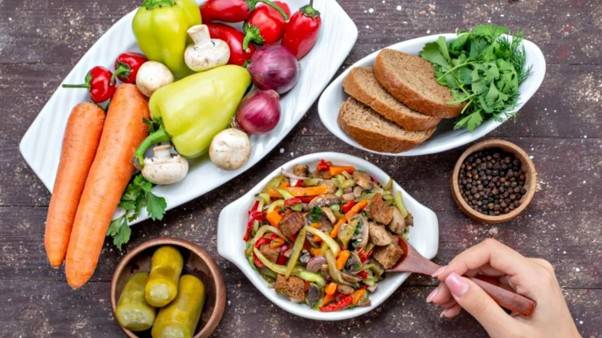
Small habits that can make a big difference to your cholesterol levels
A fitness influencer, Minakshi, recently shared a list of habits she believes can help lower LDL (“bad”) cholesterol. Her recommendations included eating a cup of lentils every day, having a tablespoon of nuts daily, swapping refined flours for whole grains, continuing to eat healthy fats, strength training regularly and getting enough sleep.Most of these tips sound simple, but are they actually backed by science? According to Dr Himika Chawla, Senior Consultant, Endocrinology and Diabetology, PSRI Hospital, many of these recommendations are supported by evidence, but they work best as part of an overall heart-healthy lifestyle rather than as standalone fixes.
Which of these habits are scientifically proven to lower LDL cholesterol?
“Most of these recommendations are supported by good scientific evidence and are part of internationally accepted heart-healthy lifestyle guidelines,” says Dr Chawla.
She explains that lentils, which are rich in soluble fibre, help reduce cholesterol absorption in the gut.
“A daily handful of unsalted nuts provides healthy unsaturated fats, fibre and plant sterols that can help lower LDL cholesterol,” she says.
Swapping refined flour for whole grains also has benefits. “Replacing refined grains with whole grains increases fibre intake, helps with weight management and can improve cholesterol levels,” Dr Chawla explains.
“Sources such as olive oil, mustard oil, avocados, seeds and fatty fish are far healthier than saturated and trans fats, which are known to increase LDL cholesterol,” she says.
Exercise and sleep also play an important role. “When combined with regular aerobic exercise, strength training improves cardiovascular health, supports weight loss and may improve lipid profiles. Adequate sleep is equally important because poor sleep has been linked to obesity, insulin resistance, inflammation and unfavourable cholesterol levels,” Dr Chawla adds.
She notes that while each habit may produce only modest reductions in LDL, their combined long-term effect can significantly reduce cardiovascular risk.
Are lifestyle changes enough?
According to Dr Chawla, the answer depends on how high the LDL level is and a person’s overall cardiovascular risk. “For most people with mildly elevated LDL cholesterol, lifestyle changes are the first line of treatment and should always be encouraged,” she says.
Adopting a healthy diet, exercising regularly, maintaining a healthy weight, avoiding smoking, limiting alcohol and sleeping well can meaningfully improve cholesterol over weeks to months.
However, lifestyle changes alone may not be enough for everyone. “People with LDL cholesterol above 190 mg/dL, a history of heart attack or stroke, diabetes, chronic kidney disease or inherited conditions such as familial hypercholesterolaemia often require cholesterol-lowering medications like statins in addition to lifestyle changes,” Dr Chawla explains.
She stresses that treatment decisions are not based on LDL numbers alone. “We also consider age, blood pressure, diabetes, smoking status, family history and overall cardiovascular risk. Doctors usually reassess cholesterol after 8 to 12 weeks of lifestyle modifications before deciding whether medication is required,” she says.
What mistakes should people avoid?
Dr Chawla says one of the biggest misconceptions is assuming that only overweight or inactive people develop high cholesterol. “Genetics plays a major role. Even people who are thin and physically active can have high LDL cholesterol,” she says.
Another common mistake is eliminating all fats from the diet. “The focus should be on reducing saturated and trans fats, not healthy unsaturated fats,” she explains.
She also cautions against relying on packaged foods labelled “low-fat” or “cholesterol-free.” “These products may still contain high amounts of sugar or refined carbohydrates, which can negatively affect heart health,” she says.
Equally important is regular monitoring. “You can’t feel high cholesterol through symptoms, so follow-up blood tests are essential. Some people stop taking prescribed medication once their cholesterol improves without consulting their doctor, increasing the risk of levels rising again,” Dr Chawla warns.
DISCLAIMER: This article is based on information from the public domain and/or the experts we spoke to. Always consult your health practitioner before starting any routine.
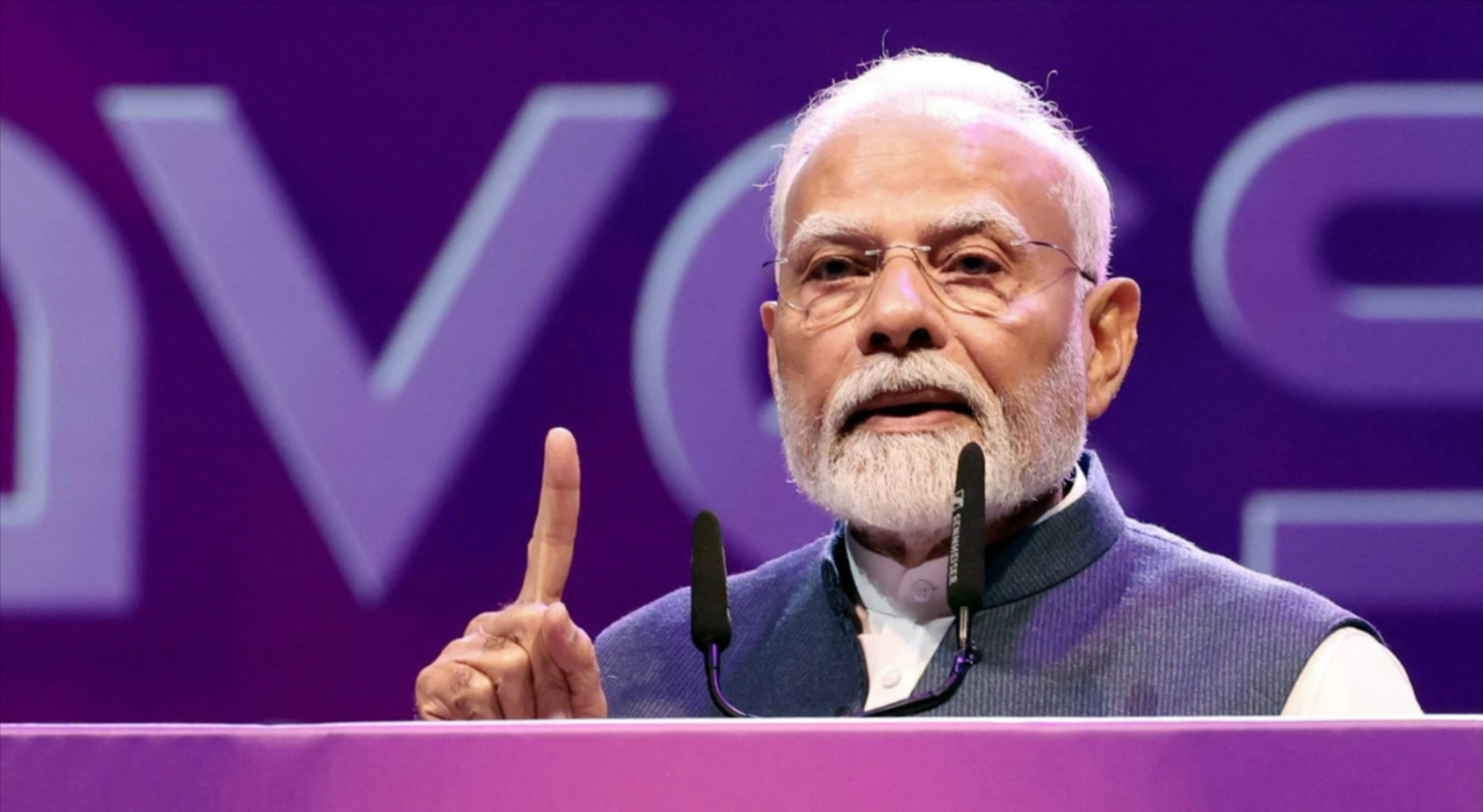
During the WAVES Summit in Mumbai, Prime Minister Narendra Modi underlined India's developing position in the global creative economic sector. During his opening address, India earned the description of an "orange economy" because cultural and creative sectors drive both financial growth and job creation. Rajnikanth and Mukesh Ambani joined

The Mahahtra government achieved a historical milestone by returning to India the historic sword of Raghuji Bhosale I during a Sotheby’s auction in London, which belonged to a notable 18th-century Maratha ruler. The state of Mahahtra achieves its first success in acquiring historical artifacts from international auctions. The bidding


Stay updated with The Hindu Editorial Vocab24 app, your definitive source for breaking news and comprehensive coverage from India and around the globe. Whether it's political developments, business updates, sports highlights, the latest technology trends, or current events, The Hindu brings live, accurate, and reliable news directly to your device.
Don’t fall for sensationalized or fake news shared online. Read and share accurate updates with friends and family through The Hindu Editorial Vocab24 app. Download it today!
News Coverage in The Hindu Editorial Vocab24 App
Breaking News: Receive instant notifications on breaking news stories as they unfold. Stay informed about major events and developments in India and around the world with live blogs, news in shorts videos, and concise articles.
Politics: Get the latest updates on Indian politics, including elections, policy changes, government decisions, and political events that shape the nation.
Business and Economy: Stay ahead in the economic landscape with detailed business news and market analysis. Learn about stock market trends, financial reports, corporate news, and economic developments to make informed investment decisions.
Current Events: Follow stories on social issues, policy changes, global events, and daily current affairs, tailored for UPSC and other competitive exam preparations.
Technology: Keep up with the latest gadgets, innovations, and tech trends. Read expert reviews and analyses in short, concise updates on cutting-edge technology from India and beyond.
Sports: Never miss a moment of your favorite sports. Get live scores, match reports, and expert analysis on cricket, football, tennis, and more.
International News: Stay informed about global events and geopolitical developments, including the Russia-Ukraine war, Israel-Palestine conflict, and other key international stories.
Local News: Stay connected to your community with the latest updates on city events, issues, and local news. Coverage includes hyperlocal updates from cities like Bangalore, Chennai, Delhi, Hyderabad, Mumbai, Kolkata, and more.
Trending Topics: Discover what's trending today with the most talked-about stories and hot topics across India and the world.
Experience journalism that values integrity, accuracy, and reliability. Download The Hindu Editorial Vocab24 app today and stay connected with the world.
Subscribe to our newsletter!