
Muscle loss can start in your 40s: 3 ways to fight sarcopenia before it catches up
Sports medicine physician Dr Jordan D. Metzl recently shared tips to reduce sarcopenia, the age-related loss of muscle, in your 40s. In a column for The Washington Post, he noted that sarcopenia is common, well described and can begin in our 40s—often earlier than many people realise.Yet muscle loss is often treated as an unavoidable consequence of getting older. “Sarcopenia is natural, but you have a lot more control over how much muscle you lose — and at what rate — than you probably imagine. Combating it starts with recognising why muscle loss happens, and then empowering yourself to not accept it as an inevitability,” Dr Metzl wrote.
So, what actually happens to our muscles as we enter our 40s?
Sarcopenia refers to the progressive decline in muscle mass, strength and physical performance that occurs as part of ageing. While it is more commonly discussed in older adults, the process can start much earlier. Dr Gazanfar Patel, senior consultant orthopaedic minimal invasive/robotic joint replacement and sports medicine specialist, Wockhardt Hospitals, Mumbai Central, explains that the rate of muscle loss varies considerably between individuals.
“With advancing age, the body becomes less efficient at building and repairing muscle, and hormonal changes can also have an impact on muscle maintenance,” says Dr Patel.
But biological ageing is only one piece of the puzzle. Lifestyle factors can accelerate the process. “Factors such as reduced physical activity, staying seated for long periods, insufficient protein intake, bad sleep and some medical conditions can cause the process to speed up,” he says.
This is why two people of the same age can have very different levels of strength and physical fitness. Age alone does not determine how quickly muscle is lost.
“The key thing to realise is that ageing alone does not tell the whole story since many of the factors that accelerate muscle loss can be dealt with,” Dr Patel adds.
How do you know if muscle loss is becoming a problem?
There is no single amount of muscle loss that can be labelled “normal” for everyone. Instead, Dr Patel says it is more useful to look at whether a decline in muscle strength is affecting everyday life.
“If a person begins to have difficulty in climbing stairs, getting up from a chair, carrying groceries, recovering from physical exertion or in maintaining their normal level of exercise, then the matter should be addressed,” he says.
These seemingly small changes can be easy to dismiss, particularly in the 40s, when people may attribute them to being busy, stressed or simply getting older. “A significant decrease in strength, balance or physical performance in the 40s should not simply be dismissed as ‘just ageing’,” Dr Patel says.
An early assessment can be particularly useful if joint pain, an old injury or another medical condition is limiting movement and causing a person to become increasingly inactive.
1. Make strength training a priority
“The best approach is to begin as early as possible and to keep at it,” says Dr Patel. He recommends strength training two to three times a week, gradually increasing resistance rather than trying to train like an athlete.
This could include exercises using weights, resistance bands or body weight, depending on a person’s fitness level and physical limitations. Walking and aerobic exercise still have an important role to play, particularly for cardiovascular health and overall fitness. But they should not completely replace resistance training when the goal is to maintain muscle strength.
“Although walking and aerobic exercises are useful, they should serve as a complement to rather than a replacement for resistance training,” Dr Patel explains.
2. Don’t overlook protein
Exercise provides the stimulus for muscles to become stronger, but adequate nutrition is also essential for maintaining and repairing muscle tissue. “It is just as important to take in protein,” Dr Patel says.
He recommends getting enough high-quality protein throughout the day from foods such as eggs, dairy, pulses, soy, fish or lean meat, depending on individual dietary preferences.
For people in their 40s, the broader goal should be to combine regular resistance exercise with a well-balanced diet rather than relying on supplements or quick fixes.
3. Prioritise sleep and recovery
“Proper sleep and recovery enable the muscles to repair and adapt,” Dr Patel says. Consistently poor sleep, combined with inactivity and inadequate nutrition, can make it harder to maintain muscle health over time. Building a sustainable routine therefore means allowing the body enough time to recover between workouts.
And if pain is keeping you from exercising, don’t simply accept inactivity as the solution. “Above all, don’t let ongoing joint pain or a previous injury cause you to become inactive,” Dr Patel says.
Addressing movement problems early can help people return to activity safely rather than entering a cycle where pain leads to inactivity, inactivity contributes to muscle loss, and declining strength makes movement increasingly difficult.
The doctor stresses that the objective should extend beyond aesthetics. “The aim should not be merely to keep one’s muscles for aesthetic reasons but rather to preserve strength, mobility, independence and the capacity to remain active as one ages,” he says.
DISCLAIMER: This article is based on information from the public domain and/or the experts we spoke to. Always consult your health practitioner before starting any routine.
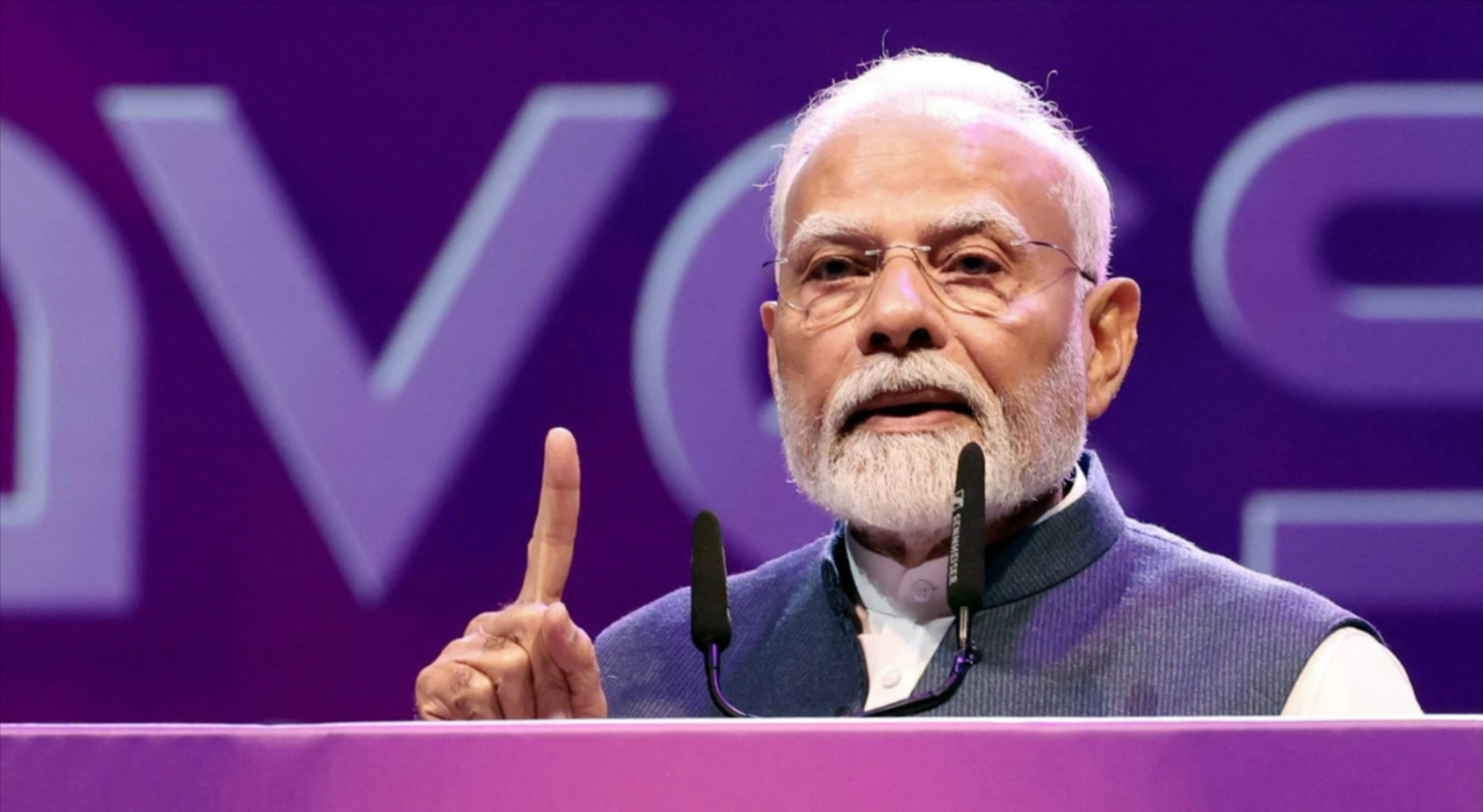
During the WAVES Summit in Mumbai, Prime Minister Narendra Modi underlined India's developing position in the global creative economic sector. During his opening address, India earned the description of an "orange economy" because cultural and creative sectors drive both financial growth and job creation. Rajnikanth and Mukesh Ambani joined
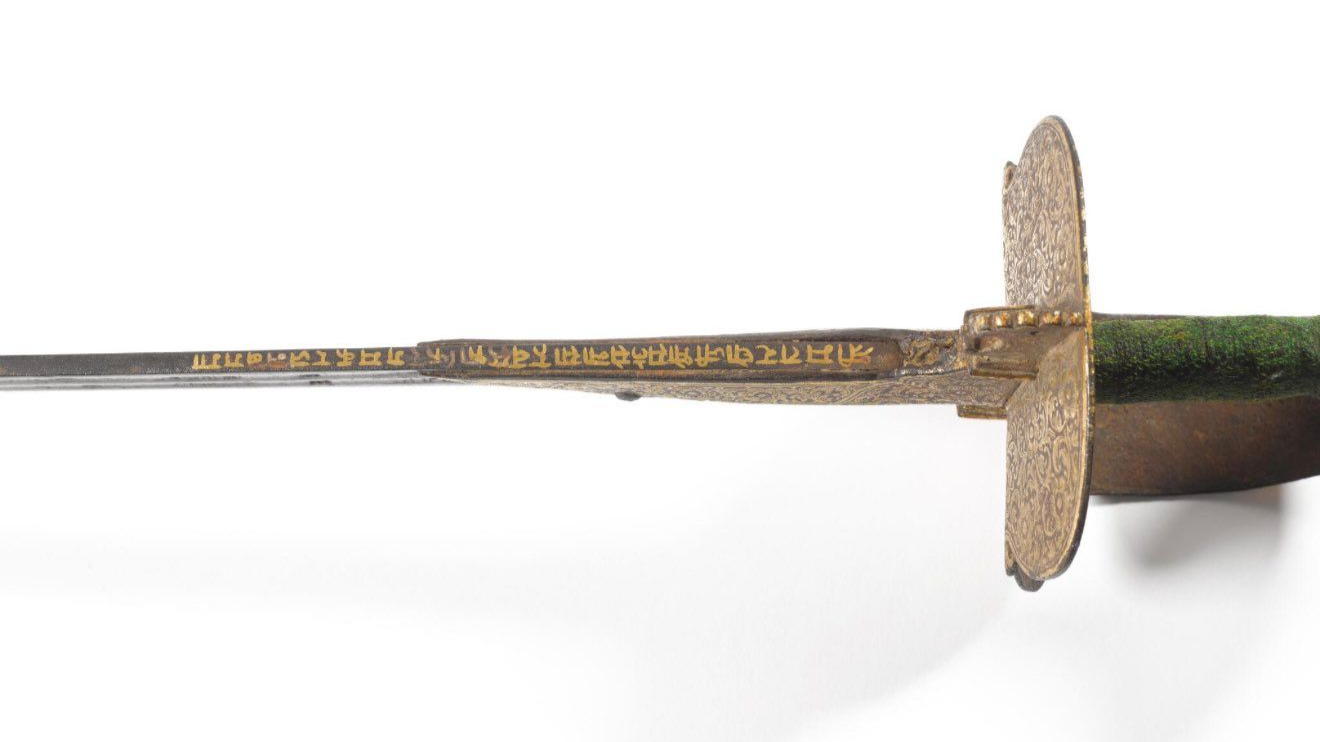
The Mahahtra government achieved a historical milestone by returning to India the historic sword of Raghuji Bhosale I during a Sotheby’s auction in London, which belonged to a notable 18th-century Maratha ruler. The state of Mahahtra achieves its first success in acquiring historical artifacts from international auctions. The bidding


Stay updated with The Hindu Editorial Vocab24 app, your definitive source for breaking news and comprehensive coverage from India and around the globe. Whether it's political developments, business updates, sports highlights, the latest technology trends, or current events, The Hindu brings live, accurate, and reliable news directly to your device.
Don’t fall for sensationalized or fake news shared online. Read and share accurate updates with friends and family through The Hindu Editorial Vocab24 app. Download it today!
News Coverage in The Hindu Editorial Vocab24 App
Breaking News: Receive instant notifications on breaking news stories as they unfold. Stay informed about major events and developments in India and around the world with live blogs, news in shorts videos, and concise articles.
Politics: Get the latest updates on Indian politics, including elections, policy changes, government decisions, and political events that shape the nation.
Business and Economy: Stay ahead in the economic landscape with detailed business news and market analysis. Learn about stock market trends, financial reports, corporate news, and economic developments to make informed investment decisions.
Current Events: Follow stories on social issues, policy changes, global events, and daily current affairs, tailored for UPSC and other competitive exam preparations.
Technology: Keep up with the latest gadgets, innovations, and tech trends. Read expert reviews and analyses in short, concise updates on cutting-edge technology from India and beyond.
Sports: Never miss a moment of your favorite sports. Get live scores, match reports, and expert analysis on cricket, football, tennis, and more.
International News: Stay informed about global events and geopolitical developments, including the Russia-Ukraine war, Israel-Palestine conflict, and other key international stories.
Local News: Stay connected to your community with the latest updates on city events, issues, and local news. Coverage includes hyperlocal updates from cities like Bangalore, Chennai, Delhi, Hyderabad, Mumbai, Kolkata, and more.
Trending Topics: Discover what's trending today with the most talked-about stories and hot topics across India and the world.
Experience journalism that values integrity, accuracy, and reliability. Download The Hindu Editorial Vocab24 app today and stay connected with the world.
Subscribe to our newsletter!