

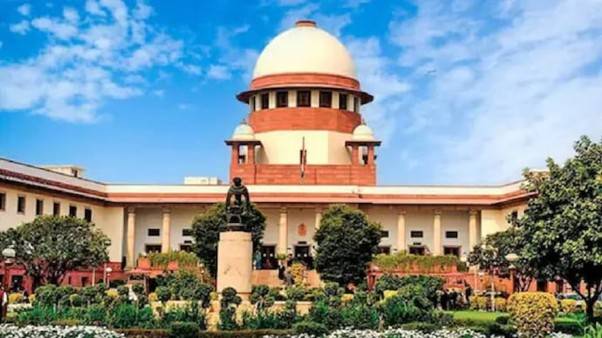
Limiting reservation benefits to specific religious groups is appropriate
The Supreme Court of India has reiterated a long-held, yet contested, principle of India’s anti-discrimination jurisprudence — that protections and special provisions for Scheduled Caste (SC) communities will be available only to those who practise Hinduism, Sikhism and Buddhism. The March 24 Court judgment arose from a Christian pastor who sought protections under the SC/ST (Prevention of Atrocities) Act, in Andhra Pradesh. The Court upheld a High Court decision that any member of the SC community who has converted out of the three religions specified in the Constitution (Scheduled Castes) Order, 1950, issued under Article 341, ceases to be an SC member. The original definition of SC included only Hindus, but was extended to Sikhs (1956) and Buddhists (1990). India’s founding leaders, including first Prime Minister Jawaharlal Nehru, were clear that the extreme form of discrimination manifested in untouchability was unique to Hindu society. But political and social realities forced amendments later. SC communities began using religious conversion itself as an act of assertion and autonomy. Dr. B.R. Ambedkar himself led a mass conversion of SC members to Buddhism. Notably, he converted to Buddhism in 1956, the year when all SC communities practising the Sikh religion were brought under special provisions, including reservation.There are theological and legal arguments for this distinction reiterated by the Court. It is often argued that in Christianity and Islam, there is no theological defence of discrimination based on social stratification. That Sikhism and Buddhism are part of the civilisational universe of Hinduism is an argument which has gained political and constitutional legitimacy. Under Explanation II to Article 25(2) of the Constitution, the definition of Hindu includes the Sikh, Buddhist and Jain faiths. Neither the theological nor the constitutional arguments for the exclusion of converts to Islam and Christianity from special protections are logically or empirically watertight, and hence the question continues to fester. Christian or Muslim converts continue to face discrimination, including untouchability, even within their new religious world. After all, discrimination needs no theological sanction. But the question of their inclusion remains a politically surcharged topic, with a commission headed by former Chief Justice of India K.G. Balakrishnan examining this. Many Dalit activists oppose the inclusion of converts within the existing quantum of reservation. Many members of SC communities who have converted to Christianity or Islam receive benefits under provisions meant for Socially and Educationally Backward Classes under Article 15(4) of the Constitution. The Court’s decision is appropriate under the existing legal and constitutional scheme, and any change can only come through a political process and the legislative route.
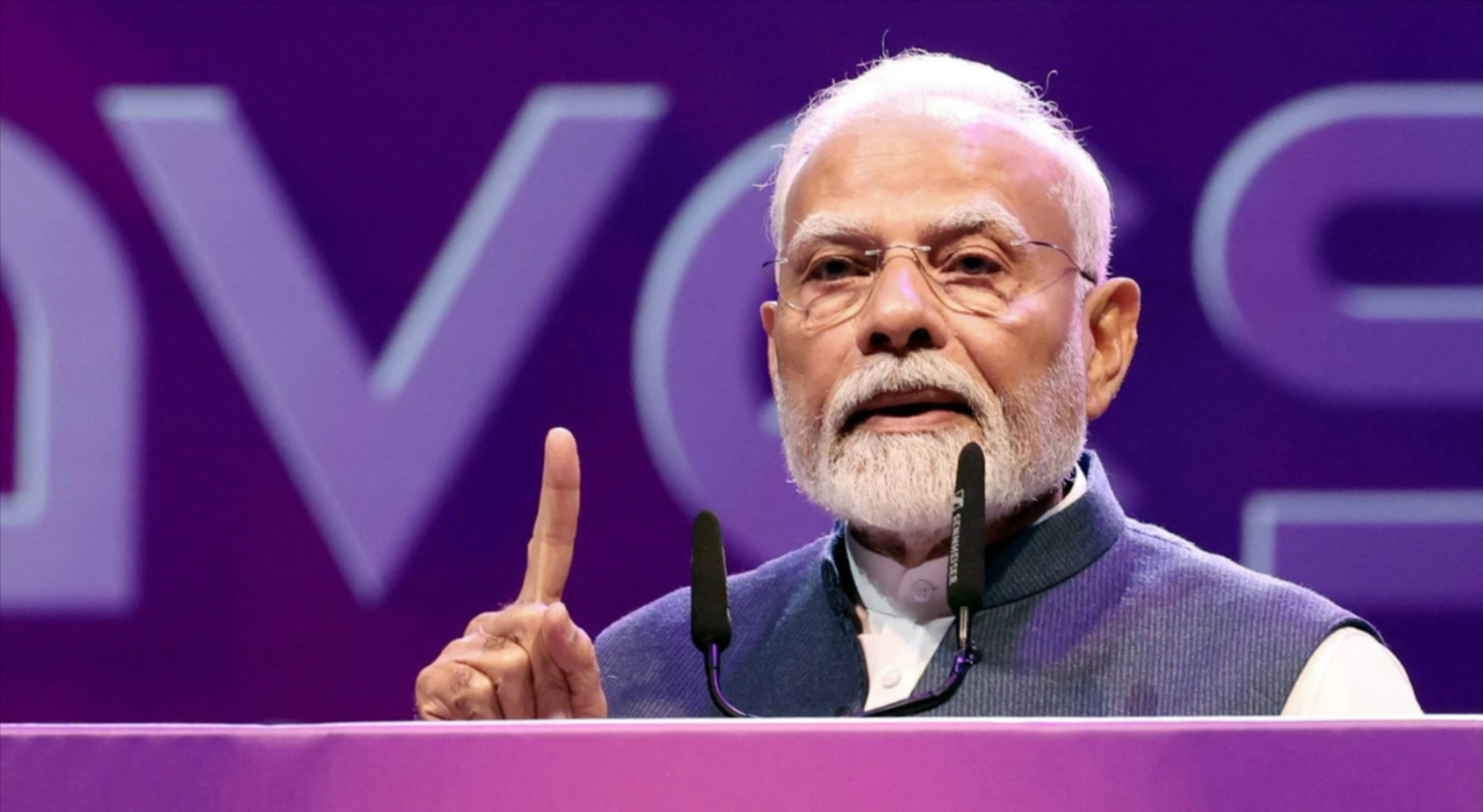
During the WAVES Summit in Mumbai, Prime Minister Narendra Modi underlined India's developing position in the global creative economic sector. During his opening address, India earned the description of an "orange economy" because cultural and creative sectors drive both financial growth and job creation. Rajnikanth and Mukesh Ambani joined
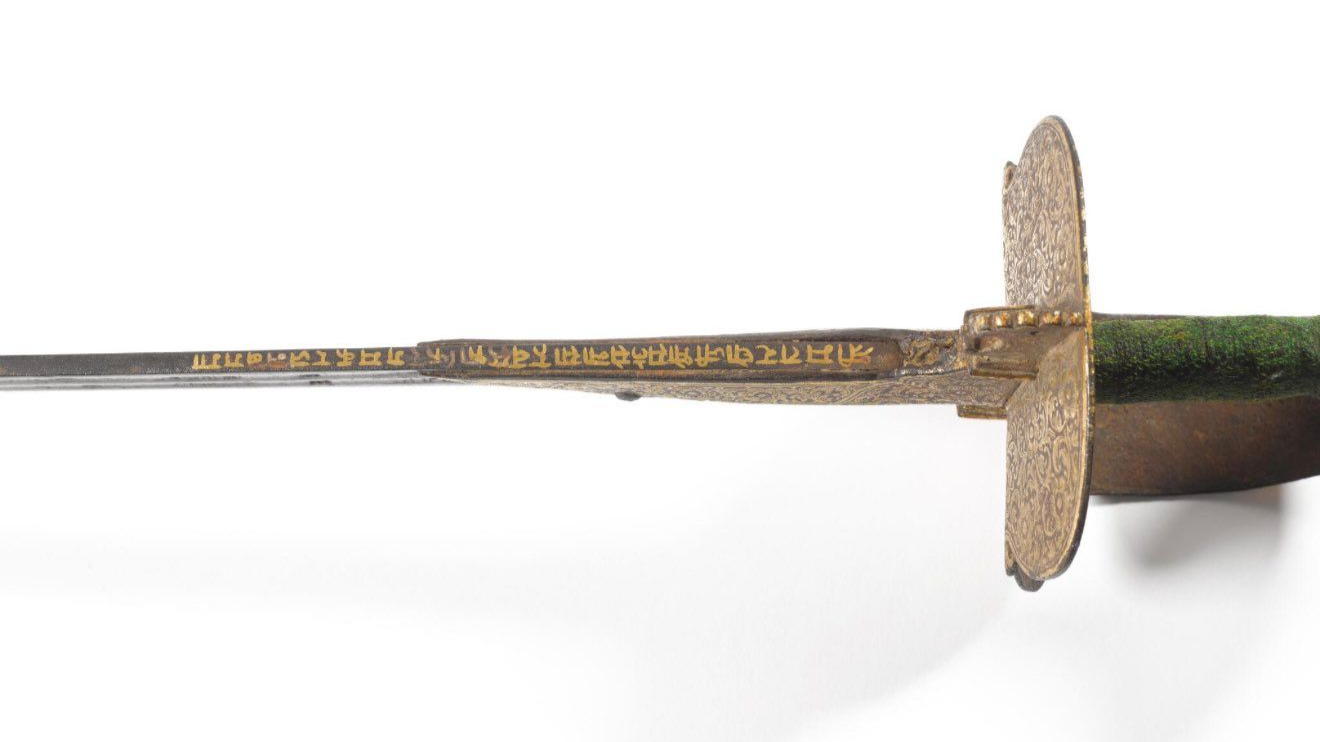
The Mahahtra government achieved a historical milestone by returning to India the historic sword of Raghuji Bhosale I during a Sotheby’s auction in London, which belonged to a notable 18th-century Maratha ruler. The state of Mahahtra achieves its first success in acquiring historical artifacts from international auctions. The bidding





Stay updated with The Hindu Editorial Vocab24 app, your definitive source for breaking news and comprehensive coverage from India and around the globe. Whether it's political developments, business updates, sports highlights, the latest technology trends, or current events, The Hindu brings live, accurate, and reliable news directly to your device.
Don’t fall for sensationalized or fake news shared online. Read and share accurate updates with friends and family through The Hindu Editorial Vocab24 app. Download it today!
News Coverage in The Hindu Editorial Vocab24 App
Breaking News: Receive instant notifications on breaking news stories as they unfold. Stay informed about major events and developments in India and around the world with live blogs, news in shorts videos, and concise articles.
Politics: Get the latest updates on Indian politics, including elections, policy changes, government decisions, and political events that shape the nation.
Business and Economy: Stay ahead in the economic landscape with detailed business news and market analysis. Learn about stock market trends, financial reports, corporate news, and economic developments to make informed investment decisions.
Current Events: Follow stories on social issues, policy changes, global events, and daily current affairs, tailored for UPSC and other competitive exam preparations.
Technology: Keep up with the latest gadgets, innovations, and tech trends. Read expert reviews and analyses in short, concise updates on cutting-edge technology from India and beyond.
Sports: Never miss a moment of your favorite sports. Get live scores, match reports, and expert analysis on cricket, football, tennis, and more.
International News: Stay informed about global events and geopolitical developments, including the Russia-Ukraine war, Israel-Palestine conflict, and other key international stories.
Local News: Stay connected to your community with the latest updates on city events, issues, and local news. Coverage includes hyperlocal updates from cities like Bangalore, Chennai, Delhi, Hyderabad, Mumbai, Kolkata, and more.
Trending Topics: Discover what's trending today with the most talked-about stories and hot topics across India and the world.
Experience journalism that values integrity, accuracy, and reliability. Download The Hindu Editorial Vocab24 app today and stay connected with the world.
Subscribe to our newsletter!







