

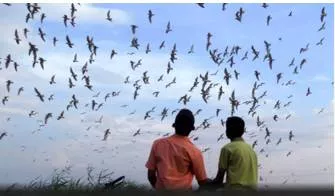
Future looms dark for 48% of bird species
The State of the World’s Birds says 13.5% of 10,994 recognised extant species are currently threatened with extinction Humans eat 14% of the world’s surviving species of birds. However, this is not the only reason why 48% of the extant bird species are undergoing population decline, a study by nine renowned avian experts and conservationists has revealed.The State of the World’s Birds, an annual review of environmental resources published on May 5, has attributed the threat to almost half of the 10,994 recognised extant species of birds to the expanding human footprint on the natural world and climate change.
The degradation and loss of natural habitats as well as direct overexploitation of many species are the key threats to avian biodiversity, the study led by the Manchester Metropolitan University (MMU) says.
The use of 37% of the surviving bird species as common or exotic pets and 14% as food are examples of direct overexploitation, the report indicates.
The review found that 5,245 or about 48% of the existing bird species worldwide were known or suspected to be undergoing population decline. While 4,295 or 39% of the species had stable trends, about 7% or 778 species had increasing population trends. The trend of 37 species was unknown.
The study underlines birdwatching, a global pastime involving millions of people, as a form of avian conservation but warns of “local negative impacts” of bird feeding valued at $5-6 billion per year and growing by 4% annually.
The caution is for some non-provisioned species via trophic cascades, an “ecological phenomenon triggered by the addition or removal of top predators and involving reciprocal changes in the relative populations of predator and prey through a food chain, which often results in dramatic changes in ecosystem structure and nutrient cycling”.
“Avian diversity peaks globally in the tropics and it is there that we also find the highest richness of threatened species. We know a lot less about the fortunes of tropical bird species than we do about temperate ones, but we are now witnessing the first signs of a new wave of extinctions of continentally-distributed bird species, which has followed the historic loss of species on islands like the dodo,” said MMU’s Alexander Lees, the lead author of the study.
The study, which involved scientists from Manchester Metropolitan, Cornell University, Birdlife International, the University of Johannesburg, Pontifical Xavierian University, and the India-based Nature Conservation Foundation (NCF), reviewed changes in avian biodiversity using data from the International Union for Conservation of Nature’s Red List to reveal the changes in fortunes of all the global bird species.
Apart from tropical forests, the threat of natural grasslands has been particularly worrying for North America, Europe and India. “If unique ecosystems like grasslands are to retain their diverse birdlife, governments and research groups must prioritise such landscapes and their inhabitants for conservation and ensure that they do not become plantations or woodlands,” NCF’s Ashwin Viswanathan said.
“After documenting the loss of nearly 3 billion birds in North America alone, it was dismaying to see the same patterns of population declines and extinction occurring globally,” Ken Rosenberg of Cornell University said.
Because birds are highly visible and sensitive indicators of environmental health, we know their loss signals a much wider loss of biodiversity and threat to human health and well-being




Top court quashes FIRs against Gen Z protesters
Sep 04, 2026







Stay updated with The Hindu Editorial Vocab24 app, your definitive source for breaking news and comprehensive coverage from India and around the globe. Whether it's political developments, business updates, sports highlights, the latest technology trends, or current events, The Hindu brings live, accurate, and reliable news directly to your device.
Don’t fall for sensationalized or fake news shared online. Read and share accurate updates with friends and family through The Hindu Editorial Vocab24 app. Download it today!
News Coverage in The Hindu Editorial Vocab24 App
Breaking News: Receive instant notifications on breaking news stories as they unfold. Stay informed about major events and developments in India and around the world with live blogs, news in shorts videos, and concise articles.
Politics: Get the latest updates on Indian politics, including elections, policy changes, government decisions, and political events that shape the nation.
Business and Economy: Stay ahead in the economic landscape with detailed business news and market analysis. Learn about stock market trends, financial reports, corporate news, and economic developments to make informed investment decisions.
Current Events: Follow stories on social issues, policy changes, global events, and daily current affairs, tailored for UPSC and other competitive exam preparations.
Technology: Keep up with the latest gadgets, innovations, and tech trends. Read expert reviews and analyses in short, concise updates on cutting-edge technology from India and beyond.
Sports: Never miss a moment of your favorite sports. Get live scores, match reports, and expert analysis on cricket, football, tennis, and more.
International News: Stay informed about global events and geopolitical developments, including the Russia-Ukraine war, Israel-Palestine conflict, and other key international stories.
Local News: Stay connected to your community with the latest updates on city events, issues, and local news. Coverage includes hyperlocal updates from cities like Bangalore, Chennai, Delhi, Hyderabad, Mumbai, Kolkata, and more.
Trending Topics: Discover what's trending today with the most talked-about stories and hot topics across India and the world.
Experience journalism that values integrity, accuracy, and reliability. Download The Hindu Editorial Vocab24 app today and stay connected with the world.
Subscribe to our newsletter!







