

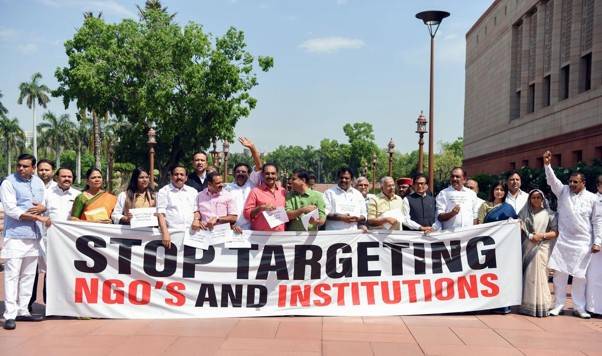
FCRA Bill — expanding state control over civil society
The Foreign Contribution (Regulation) Amendment (FCRA) Bill, 2026, introduced in the Lok Sabha on March 25, 2026, is far more than a routine regulatory measure. While presented as a step towards greater transparency and national security, it significantly increases executive power, transforming the FCRA from a law regulating foreign funding into one that enables extensive state control over non-governmental organisations (NGOs), charitable trusts, and educational and religious institutions.From oversight to overreach
The current FCRA regime was already among the most stringent regulations governing civil society in any democracy. The 2020 amendments imposed strict restrictions: requiring all foreign contributions to pass through a single bank branch (State Bank of India) in New Delhi, reducing administrative expenditure limits from 50% to 20%, banning sub-granting to smaller organisations, and expanding suspension powers. These measures alone devastated thousands of NGOs, particularly smaller faith-based and charitable bodies serving marginalised groups.
The 2026 Bill goes much further. By introducing a new Chapter IIIA (and removing the previous Section 15) and replacing existing asset-management provisions, it creates a framework for the government to seamlessly vest organisational assets and properties without compensation or management. Its most troubling provision is the proposed Section 14B, which introduces automatic “cessation” of FCRA registration. An organisation could lose its registration not only if renewal is denied but also if it fails to apply on time or if renewal remains pending. This effectively allows institutions to be paralysed through procedural delays rather than proven misconduct, weakening due process and increasing executive discretion.
The gravest concern is Section 16A under the new Chapter IIIA. It states that when an FCRA registration is cancelled, surrendered, or deemed to have ceased, all foreign contributions and assets derived from them automatically “provisionally vest” in a government-designated authority, without prior judicial review or independent adjudication. This means that a simple administrative decision can strip organisations of control over their funds and property. As cancellation under Section 14 can be based on broad and subjective grounds such as “public interest,” organisations risk losing control of their assets even for minor, procedural, or disputed violations. Because cancellation under Section 14 triggers the application of Section 16A, organisations risk losing assets even for procedural, minor, or disputed breaches. The designated authority would then be empowered to manage, transfer, or dispose of these assets, with sale proceeds credited to the Consolidated Fund of India. The provision is particularly sweeping because it may cover assets funded both domestically and from abroad—potentially bringing schools, hospitals, orphanages, religious institutions, charitable organisations, and places of worship such as churches, mosques, and temples built over decades under government control. The powers granted to the Designated Authority are extraordinary. It can take control of assets, manage institutions, oversee finances, and alter operations in the vaguely defined “public interest,” giving the executive wide discretion. If an organisation fails to secure restoration or re-registration within the prescribed period, the vesting becomes permanent. The Authority may then transfer or sell the assets, with the proceeds credited to the Consolidated Fund of India — effectively enabling executive confiscation through legal process.
This endangers not only the survival of organisations but also the essential services and infrastructure upon which communities depend. FCRA assets include land, buildings, vehicles, equipment, and unspent funds, raising the real possibility that institutions could be effectively shut down. Foreign donors primarily support Indian charitable organisations to aid vulnerable communities, promote education, improve public health, and advance other public-interest goals. These contributions help organisations deliver tangible societal benefits.
Seizing such funds into the Consolidated Fund based on weak or disputed allegations defeats the very purpose of these donations. The new provisions thus expose Indian organisations to the constant risk of state expropriation, endangering both donated funds and the assets they support. This framework establishes sweeping procedures for “provisional vesting” and “permanent vesting” of assets in a government-appointed “Designated Authority”.
The amendments also deepen executive control during suspension and investigation. The amended Section 13 bars organisations from managing their assets without prior approval during suspension, effectively paralysing their operations. The revised Section 43 centralises enforcement by requiring Union government approval before any state agency can investigate FCRA violations. Combined with broader definitions of “key functionaries” and increased personal liability for office-bearers, the Bill risks creating a climate of fear that discourages civil society participation.
Limited accountability
The 2026 Bill proposes abolishing Section 22, which currently deals with the disposal of assets of defunct or non-operational organisations. The law also lacks clear timelines for approving or rejecting FCRA licences, permissions, registrations, and renewals, leading to uncertainty and delays that can hinder projects dependent on foreign funding and disproportionately impact vulnerable communities. Often, reasons for cancellation are not publicly disclosed due to national security concerns, making it difficult for organisations to challenge such decisions. Cancellations or suspensions might occur due to procedural lapses, risking the shutdown of organisations serving communities.
The impact on minority communities, especially Christians, is particularly worrying. Christian organisations run thousands of schools, colleges, hospitals, orphanages, tribal welfare bodies, and charitable trusts—many supported by ongoing funding from churches, diaspora groups, and humanitarian agencies. There are many such institutions in Kerala, Tamil Nadu, Nagaland, Mizoram, and Meghalaya. It is a fact that minorities operate charitable organisations that mainly benefit the majority. Under Section 16A, these could face government takeover if their registration lapses, renewal is delayed, or cancellation procedures are initiated. Institutions such as long-established convent schools, colleges, mission hospitals, and orphanages face the risk of coming under government control simply due to procedural non-compliance. But the fact remains that the government is systematically targeting organisations one after another, and between 2014 and 2026, about 22,000 FCRA licences have been cancelled for no valid or credible reasons. It could be stated with concern that the government appears to be eyeing the properties of minorities, which in reality benefits the majority.
Cancellations of FCRA licences threaten ongoing efforts in child protection, immunisation, neonatal health, nutrition, early childhood education, parental involvement, youth skills development, and access to government schemes in affected regions. The sector contributes significantly to the economy—around 2% of GDP—with roughly four lakh to eight lakh individuals per organisation losing access to vital services due to revoked licences. According to the 2014 Ministry of Statistics and Programme Implementation report, civil society organisations generate 27 lakh jobs and 34 lakh full-time volunteers, surpassing public sector employment. A separate survey of 515 NGOs found that 47% are the main source of employment in more than half the localities where they operate. These amendments threaten not only the existence of organisations but also the infrastructure and community resources relied upon by millions.
Constitutional rights under threat
Critics view the Bill as a serious threat to civil society and minority institutions. Its vague “public interest” standard could be used against organisations working on minority rights, tribal welfare, environmental protection, human rights, or public advocacy. The result may be a chilling effect, discouraging donors, trustees, and volunteers from supporting such organisations.
The Bill also raises constitutional concerns under Articles 14, 19(1)(c), 25, 26, 29, 30, and 300A. By concentrating broad powers in the executive, it risks undermining freedom of association, the autonomy of religious and educational institutions, and property rights.
Any regulation of foreign contributions must be accompanied by due process, independent oversight, and safeguards against arbitrary state action. Without such protections, the Bill risks becoming one of the most oppressive laws affecting civil society in modern India.
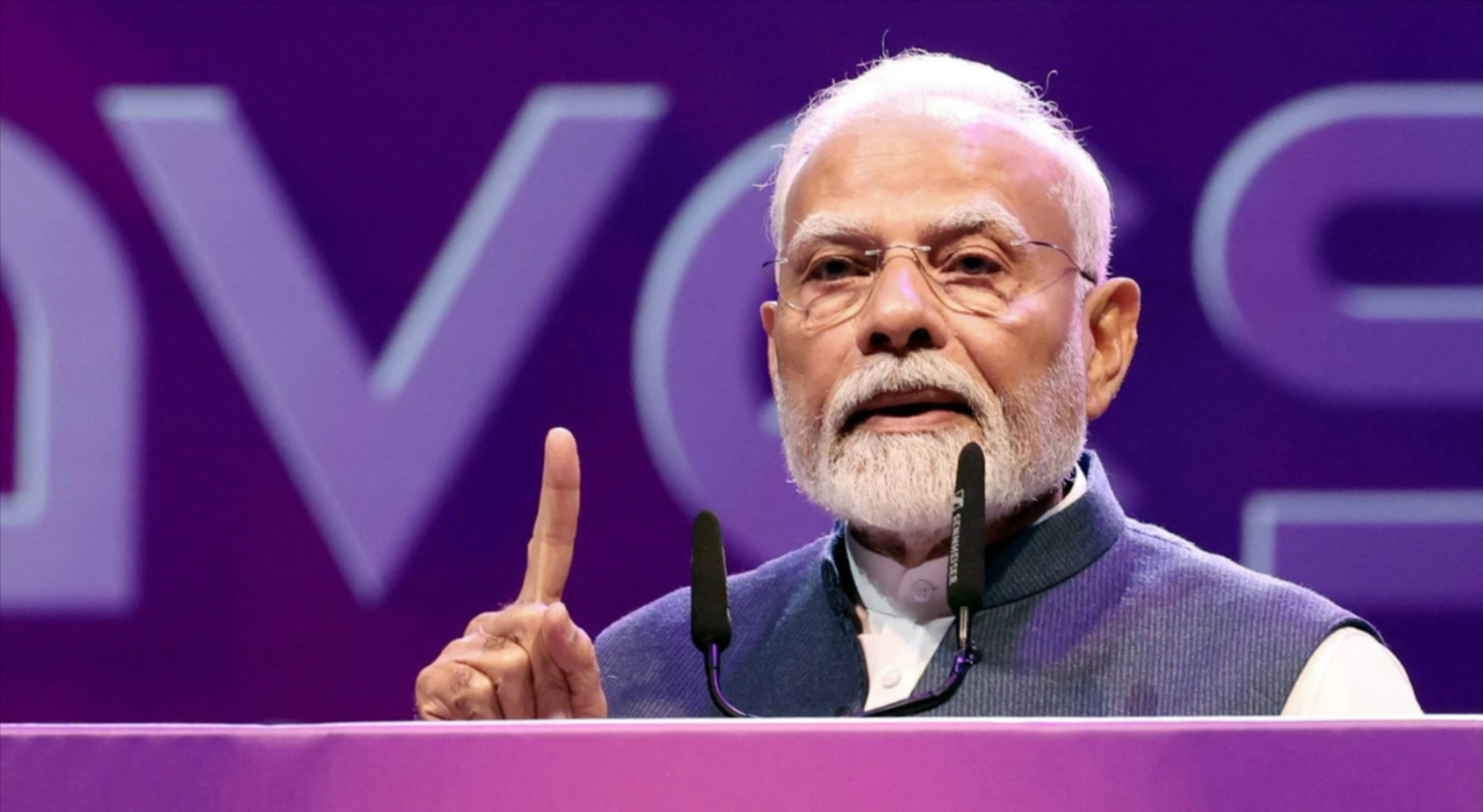
During the WAVES Summit in Mumbai, Prime Minister Narendra Modi underlined India's developing position in the global creative economic sector. During his opening address, India earned the description of an "orange economy" because cultural and creative sectors drive both financial growth and job creation. Rajnikanth and Mukesh Ambani joined
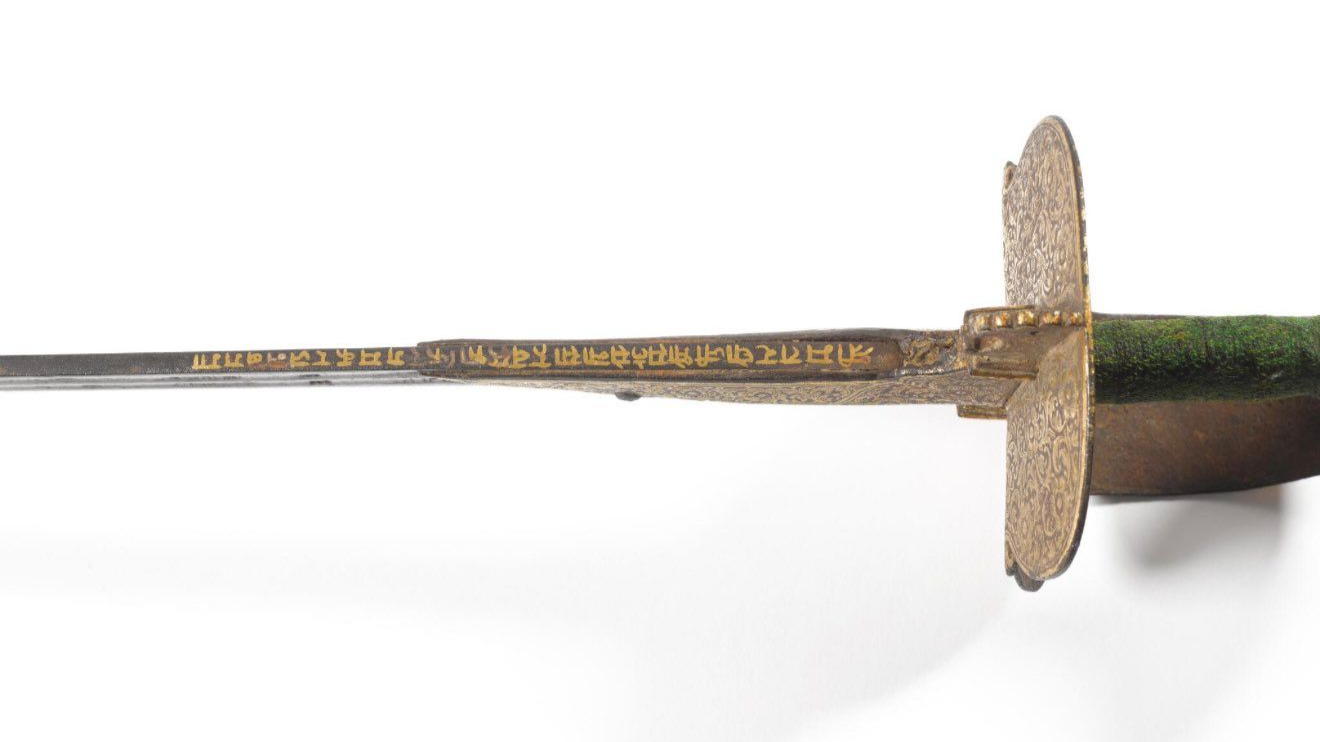
The Mahahtra government achieved a historical milestone by returning to India the historic sword of Raghuji Bhosale I during a Sotheby’s auction in London, which belonged to a notable 18th-century Maratha ruler. The state of Mahahtra achieves its first success in acquiring historical artifacts from international auctions. The bidding





Stay updated with The Hindu Editorial Vocab24 app, your definitive source for breaking news and comprehensive coverage from India and around the globe. Whether it's political developments, business updates, sports highlights, the latest technology trends, or current events, The Hindu brings live, accurate, and reliable news directly to your device.
Don’t fall for sensationalized or fake news shared online. Read and share accurate updates with friends and family through The Hindu Editorial Vocab24 app. Download it today!
News Coverage in The Hindu Editorial Vocab24 App
Breaking News: Receive instant notifications on breaking news stories as they unfold. Stay informed about major events and developments in India and around the world with live blogs, news in shorts videos, and concise articles.
Politics: Get the latest updates on Indian politics, including elections, policy changes, government decisions, and political events that shape the nation.
Business and Economy: Stay ahead in the economic landscape with detailed business news and market analysis. Learn about stock market trends, financial reports, corporate news, and economic developments to make informed investment decisions.
Current Events: Follow stories on social issues, policy changes, global events, and daily current affairs, tailored for UPSC and other competitive exam preparations.
Technology: Keep up with the latest gadgets, innovations, and tech trends. Read expert reviews and analyses in short, concise updates on cutting-edge technology from India and beyond.
Sports: Never miss a moment of your favorite sports. Get live scores, match reports, and expert analysis on cricket, football, tennis, and more.
International News: Stay informed about global events and geopolitical developments, including the Russia-Ukraine war, Israel-Palestine conflict, and other key international stories.
Local News: Stay connected to your community with the latest updates on city events, issues, and local news. Coverage includes hyperlocal updates from cities like Bangalore, Chennai, Delhi, Hyderabad, Mumbai, Kolkata, and more.
Trending Topics: Discover what's trending today with the most talked-about stories and hot topics across India and the world.
Experience journalism that values integrity, accuracy, and reliability. Download The Hindu Editorial Vocab24 app today and stay connected with the world.
Subscribe to our newsletter!







