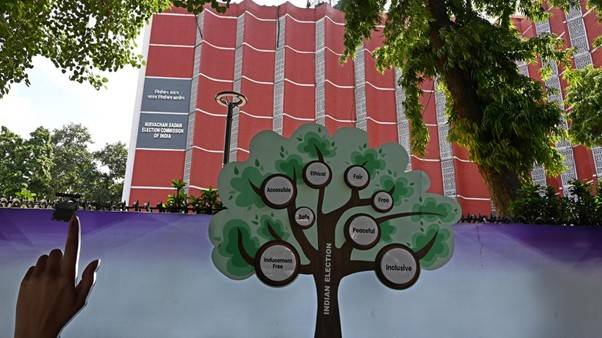
ECI transfer controversy, top court’s clarifications
Recently, the Election Commission of India (ECI) transferred a number of senior officers in some of the election-bound States as soon as their election schedules were announced. In the election schedule for 2026, polls are to be held in four States, namely, Assam, Kerala, Tamil Nadu and West Bengal, and the Union Territory of Puducherry.In the State of West Bengal, the Chief Secretary and Director General of Police — the head of State administration and the head of the police force — were among several officials transferred overnight without the consent or prior knowledge of the State government. The ECI claimed that such a step had been taken to ensure free and fair elections in those States. The States concerned, particularly West Bengal, were virtually stunned by the ferocity of these transfer orders, which have almost paralysed the administration. The crucial question here is whether it is within the powers of the ECI to transfer, in this manner, the heads of State administration in the name of ensuring free and fair elections. Are we then to conclude that, without transferring a handful of top officers, the ECI cannot conduct free and fair elections? There are many such disturbing questions that arise from these transfers.
It is difficult to find any statute under which such transfers can be made by the ECI. Of course, it always points to Article 324 of the Constitution (Superintendence, direction and control of elections to be vested in an Election Commission) to justify such actions. It is true that the Article confers unspecified powers on the ECI to conduct free and fair elections.
Article 324 and scope of powers
The Supreme Court of India had, in Mohinder Singh Gill and Anr. vs The Chief Election Commissioner, New Delhi and Ors. (1978), and in a host of other cases, held that Article 324 is a plenary provision which is in fact a reservoir of powers that can be used by the ECI whenever the need arises to ensure free and fair elections. But in all such cases the Court has added a rider that such powers can be used only where the field is unoccupied by a statute. In other words, the ECI cannot draw any such power from Article 324 where a law made by Parliament or a State legislature holds the field in which case it has to obey that law.
In Mohinder Singh Gill, the Court made the following significant observations which have clearly laid out the scope of the powers under this Article as well as its limitations. It said, “The Constitution, contemplates a free and fair election and vests comprehensive responsibilities of superintendence, direction and control of the conduct of elections in the Election Commission. This responsibility may cover powers, duties and functions of many sorts, administrative or other, depending on the circumstances”.
However, there is a caveat. The Court added, “Two limitations at least are laid on its plenary character in the exercise thereof. Firstly, when Parliament or any State Legislature has made valid law, relating to or in connection with elections, the Commission shall act in conformity with, not in violation of such provisions but where such law is silent Art. 324 is a reservoir of power to, act for the avowed purpose of, not divorced from pushing forward a free and fair election with expedition. Secondly, the Commission shall be responsible to the rule of law, act bona fide and be amenable to the norms of natural justice in so-far as conformance to such canons can reasonably and realistically be required of it as fairplay-in-action in a most important area of the constitutional order, viz., elections.”
The issue of statutory backing
The officers belonging to the all India services are governed by the All India Services Act and the rules made thereunder. The transfer of an officer is the exclusive prerogative of the government. The all India service officers who are serving a State government are under the administrative control of the State government which has exclusive authority to transfer them at any time.
Under the Seventh Schedule of the Constitution, the State Public Services are under the exclusive control of the State governments. It is the exclusive function of the governments — the State and the Union — to deal with all aspects of the services of the officers serving under these governments.
The crucial question that has arisen in the context of the transfer of senior officials of the State governments under the orders of the ECI is whether this action has any statutory backing. The duty of the ECI is to conduct elections in a free and fair manner. Of course, it has all the powers to perform this task in accordance with the mandate of the Constitution and statute.
Article 324(6) requires the State government or the Union government to make available to the ECI on demand the staff required by it to conduct elections. The Representation of the People Act of 1950 as well as the Representation of the People Act, 1951 contain elaborate provisions that deal with the duties and powers of the ECI. Nowhere do any of these Acts contain any provision that empowers the ECI to transfer the head of a state administration or the head of the state police force, while keeping the State government in the dark, on the ground that their continuance in their posts will hamper the conduct of free and fair elections.
It is true that the Court has held that Article 324 has plenary powers to ensure free and fair election. But the Court has never dealt with the transfer of the seniormost officers in States by the ECI, taking the State governments by surprise and resulting in a paralysis of the administration, in the exercise of its plenary powers under Article 324. Apart from that, the Court has itself clarified that if the field is occupied by the law, the ECI needs to obey that law. It may be argued that the law mentioned by the Court must be related to, or in connection with, the election. It may also be argued that the All India Services Act or its rules are not laws relating to elections, but that is a very narrow, technical view.
The crucial point is that the ECI is not empowered to bypass a law made by Parliament dealing with the transfers and postings of all India Service officers, and cannot transfer such officers at will over the heads of the State government. The underlying assumption in such transfers is that those officers will not allow the ECI to conduct elections in a free and fair manner.
On ‘unchecked power’
The ECI has a proud history of conducting elections in the country since 1951-52. It has always depended on State government officials to accomplish this task as the ECI does not have any machinery of its own to undertake such a gigantic exercise. The ECI, by branding them as men lacking integrity and removing them from their posts on the eve of an election is a new trend that will most certainly demoralise civil servants in the country. It is also not clear under what procedure the ECI has reached the conclusion that these officers are biased and unsuitable for conducting free and fair elections. Article 324 does not give unfettered powers to the ECI. The Court, which granted plenary powers to the ECI, had also said this in Mohinder Singh Gill — “No one is an imperium in imperio in our constitutional order. It is reasonable to hold that the Commissioner cannot defy the law armed by Article 324. Likewise, his functions are subject to the norms of fairness and he cannot act arbitrarily. Unchecked power is alien to our system.”
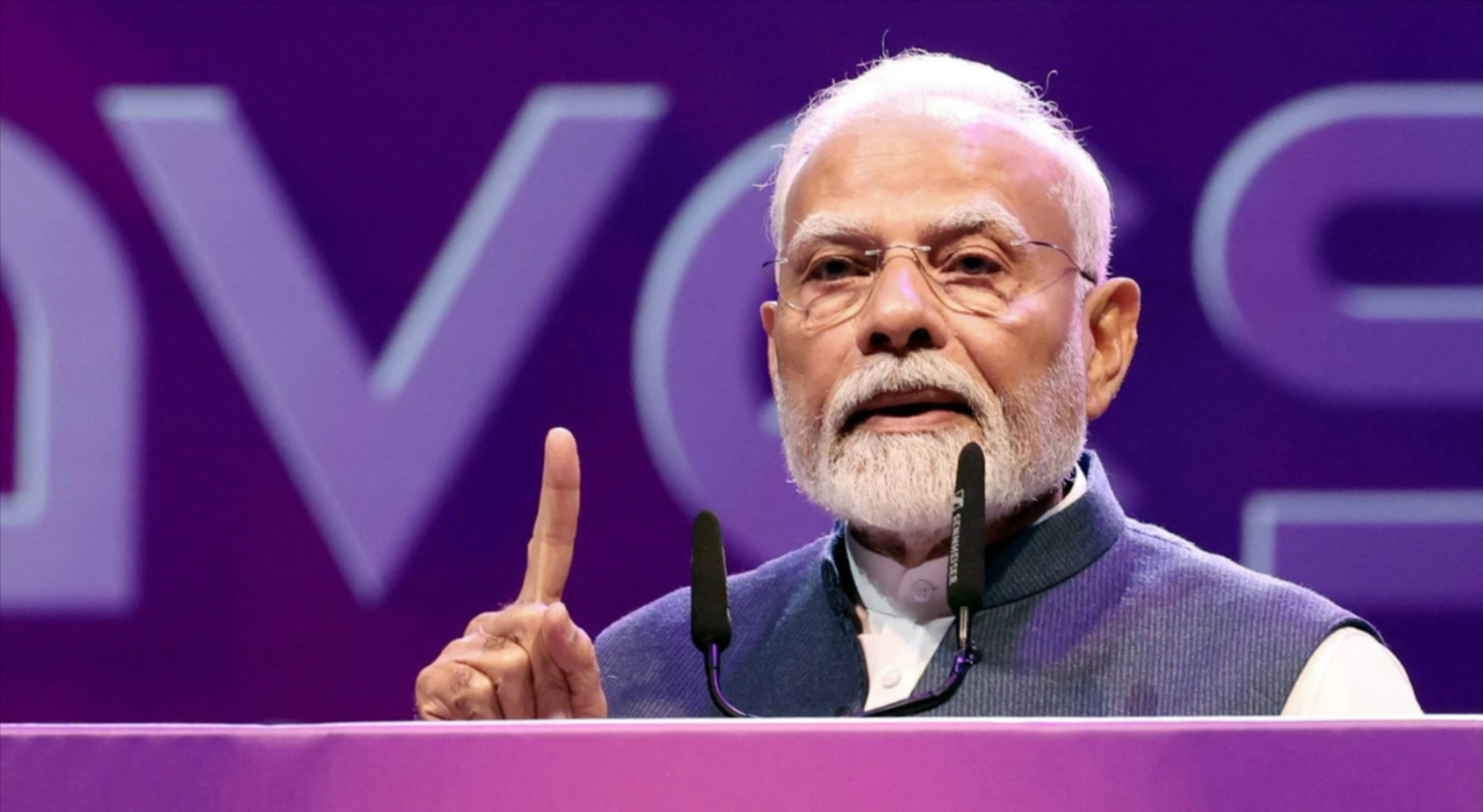
During the WAVES Summit in Mumbai, Prime Minister Narendra Modi underlined India's developing position in the global creative economic sector. During his opening address, India earned the description of an "orange economy" because cultural and creative sectors drive both financial growth and job creation. Rajnikanth and Mukesh Ambani joined
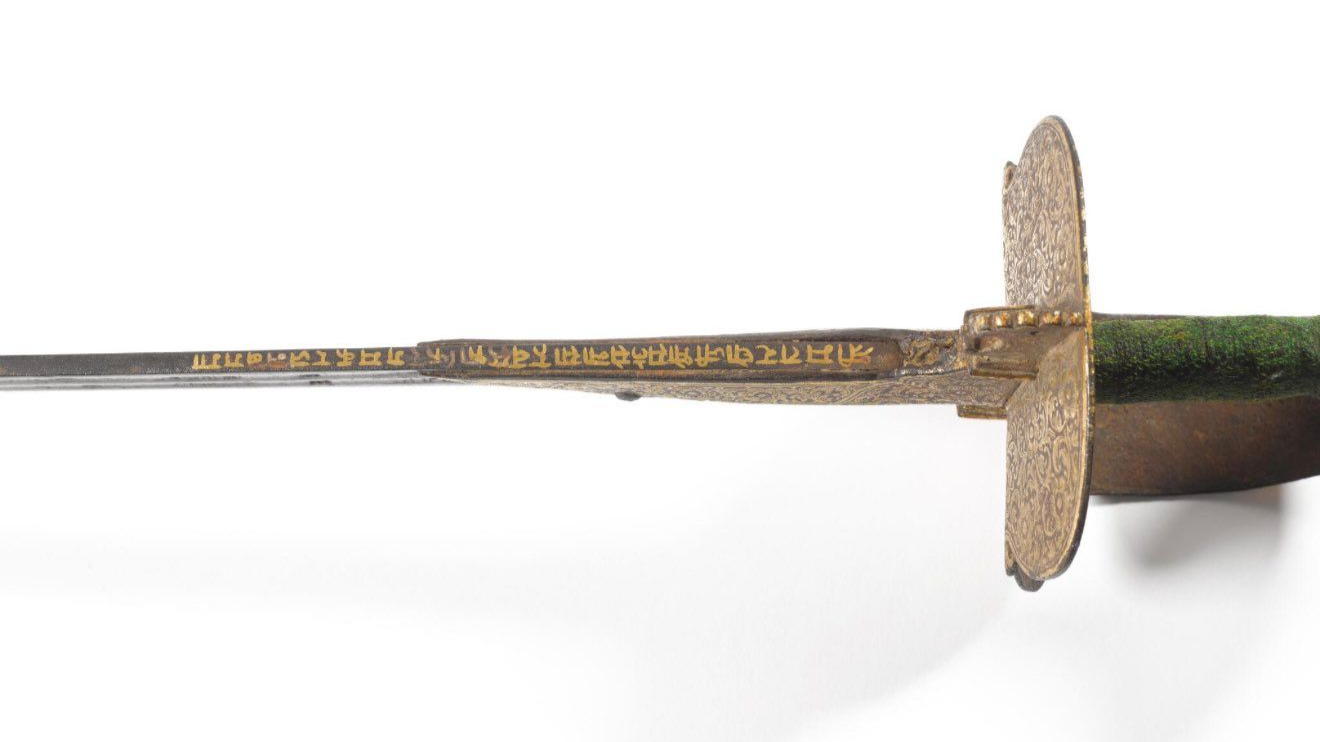
The Mahahtra government achieved a historical milestone by returning to India the historic sword of Raghuji Bhosale I during a Sotheby’s auction in London, which belonged to a notable 18th-century Maratha ruler. The state of Mahahtra achieves its first success in acquiring historical artifacts from international auctions. The bidding


Stay updated with The Hindu Editorial Vocab24 app, your definitive source for breaking news and comprehensive coverage from India and around the globe. Whether it's political developments, business updates, sports highlights, the latest technology trends, or current events, The Hindu brings live, accurate, and reliable news directly to your device.
Don’t fall for sensationalized or fake news shared online. Read and share accurate updates with friends and family through The Hindu Editorial Vocab24 app. Download it today!
News Coverage in The Hindu Editorial Vocab24 App
Breaking News: Receive instant notifications on breaking news stories as they unfold. Stay informed about major events and developments in India and around the world with live blogs, news in shorts videos, and concise articles.
Politics: Get the latest updates on Indian politics, including elections, policy changes, government decisions, and political events that shape the nation.
Business and Economy: Stay ahead in the economic landscape with detailed business news and market analysis. Learn about stock market trends, financial reports, corporate news, and economic developments to make informed investment decisions.
Current Events: Follow stories on social issues, policy changes, global events, and daily current affairs, tailored for UPSC and other competitive exam preparations.
Technology: Keep up with the latest gadgets, innovations, and tech trends. Read expert reviews and analyses in short, concise updates on cutting-edge technology from India and beyond.
Sports: Never miss a moment of your favorite sports. Get live scores, match reports, and expert analysis on cricket, football, tennis, and more.
International News: Stay informed about global events and geopolitical developments, including the Russia-Ukraine war, Israel-Palestine conflict, and other key international stories.
Local News: Stay connected to your community with the latest updates on city events, issues, and local news. Coverage includes hyperlocal updates from cities like Bangalore, Chennai, Delhi, Hyderabad, Mumbai, Kolkata, and more.
Trending Topics: Discover what's trending today with the most talked-about stories and hot topics across India and the world.
Experience journalism that values integrity, accuracy, and reliability. Download The Hindu Editorial Vocab24 app today and stay connected with the world.
Subscribe to our newsletter!