
Why exclusive breastfeeding is declining: The hidden struggles mothers face
A32-year-old working mother exclusively breastfed her newborn for the first three months. However, after resuming work, she found it challenging to maintain regular breastfeeding due to long working hours and commuting. With proper guidance from a lactation professional, she was able to express and store breast milk.Her story mirrors that of a mother of a 2.5-month-old baby girl, who shared how challenging her experience with exclusive breastfeeding (EBF) was and how she got through the phase with support. Initially, the breast milk supply was “very little,” and the process was “very painful”—so much so that she suffered “nipple injury with blood oozing out,” she recalled. “I would have stopped on the third day, but for friends who have been through this phase and my mother, who gave me suggestions and mental support,” she added.
While motherhood is extremely precious and rewarding, breastfeeding does take a lot from women. From low milk supply and painful latching to cracked nipples and the emotional pressure to continue, breastfeeding can be one of the most demanding aspects of early motherhood. While India has made progress in promoting breastfeeding, EBF rates among infants under six months have declined, raising important questions about the challenges mothers face and the support they need.
According to the National Family Health Survey (NFHS)-6 data, institutional deliveries in India have increased from 88.6 per cent in NFHS-5 to 90.6 per cent, while exclusive breastfeeding among infants under six months has declined from 63.7 per cent to 55.8 per cent, highlighting the need for stronger support systems.
To better understand this reality, we spoke to mothers who shared their personal experiences navigating the highs and lows of breastfeeding, as well as experts for their insights.
What is exclusive breastfeeding (EBF)?
Breast milk provides ideal nutrition for infants and supports their immunity, growth, and development. As per recommendations from WHO and UNICEF, initial breastfeeding within the first hour of birth, exclusive breastfeeding for the first six months, and continued breastfeeding along with complementary foods up to two years or beyond matter.
Dr Pankhuri Gautam, Senior Consultant–Obstetrics and Gynaecology, Cocoon Hospital, Jaipur, said that the first milk, known as colostrum, is specifically significant as it is rich in protective factors that help support early immunity.
Dr Sanju Sidaraddi, Consultant Paediatrician and Neonatologist, Motherhood Hospitals, Kharghar, Navi Mumbai, said that exclusive breastfeeding provides antibodies and immune factors that help babies fight infections, particularly diarrhoea, respiratory illnesses, and other conditions that frequently affect newborns. “Breast milk contains antibodies, enzymes, and beneficial microbes that help support the development of a healthy gut microbiome and strengthen an infant’s immune system,” said Dr Sidaraddi.
“It also helps bonding between mother and baby and supports long-term feeding success as well,” said Dr Pankhuri.
When water, animal milk, infant formula (manufactured food designed to substitute or supplement human breast milk), or semi-solid foods are introduced too early, infants may miss out on these protective benefits, pointed out Dr Sidaraddi.
“They may also face a higher risk of digestive problems and infections. In urban areas, parents are often exposed to a wide range of feeding advice from social media, relatives, and online forums, which can sometimes create confusion,” Dr Sidaraddi said. “Many families may interpret normal infant behaviours such as frequent feeding, crying, or shorter sleep cycles as signs that breast milk is insufficient, leading them to introduce supplements earlier than necessary. However, these behaviours are often part of normal infant development and do not automatically indicate hunger or poor nutrition,” the doctor added.
Why is EBF declining?
Chandrayee Mukherjee, a 30-year-old, became a mother through a C-section in November 2025, 36 days before her due date. “Yes, I exclusively breastfed my daughter for the first month after birth. Since she was born premature, ensuring that she received adequate nutrition and gained weight appropriately was a major concern for us. While I was committed to breastfeeding, the physical recovery from a C-section, coupled with the demands of caring for a newborn, made the journey quite challenging,” she recollected.
After the first month, Mukherjee gradually introduced formula feeding alongside breastfeeding. “It was not an easy transition because my daughter initially rejected multiple formula brands. We had to try different options before finding one that suited her. Eventually, she adjusted well, and mixed feeding became a practical solution for our family,” she shared.
Admitting that initially she felt the pressure to exclusively breastfeed for as long as possible, Mukherjee said that she eventually realised that motherhood is not about meeting an ideal standard; it is about making choices that work for both the baby and the mother. “Introducing formula was not a compromise. It was a decision that helped my daughter thrive and allowed me to recover better and function more confidently as a parent,” she said. Today, at nearly seven months old, her daughter is healthy, active, and growing well.
Whether a woman exclusively breastfeeds for weeks, months, or years, the journey is often marked by perseverance, sacrifice, and countless unseen challenges.
Alka Yadav, 33, an international relationship manager with a leading bank, became a mother in August 2025 after a “long IVF journey”. “I introduced formula in the third month, along with breastfeeding,” Yadav mentioned, blaming social media misinformation, concerns about milk supply, and demanding lifestyles as factors behind the decline in EBF, which makes it more difficult to sustain. “I too breastfed initially but later switched to formula completely,” she added.
Monisa Nadeem, a 35-year-old mother, believes that if women have to return to work after a six-month maternity leave, it’s not easy to maintain milk supply because not everyone has a pumping room or the financial means to have a pump. “In their absence, children get formula feed, and over time, naturally, the milk supply drops if the child is not feeding,” she said.
Mukherjee feels the decline is linked to the realities of modern motherhood rather than a lack of awareness about the benefits of breastfeeding. “Many urban women are working professionals, often living in nuclear families with limited support systems. Recovering from childbirth, managing sleep deprivation, handling household responsibilities, and preparing to return to work can be overwhelming,” she said, adding that sometimes there can be an “unrealistic expectation that mothers should be able to do it all without acknowledging the physical and mental toll it takes”.
Doctors agree that the decline in EBF, especially in urban areas, is concerning because breastfeeding is not only a nutritional practice but also an important foundation for infant immunity, growth and bonding.
While some possible reasons are increasing workload, stress and sleep schedules, and pressure on mothers to return to work soon after completing their maternity leave, which can make it challenging to continue EBF for six months, Dr Videesh Sombattina, consultant, neonatology, Manipal Hospital Dwarka, New Delhi, noted that many preterm infants require prolonged NICU care, which can lead to reduced mother-baby interaction and bonding during the initial days and weeks after birth, potentially affecting breastfeeding practices.
Dr Bimalpreet Mohan, director and chief radiologist at Capital Health Clinic and a women’s health expert, also attributed the decline to a “larger shift in maternal health trends”. “More women are conceiving later, managing high-risk pregnancies, or recovering from Caesarean deliveries, all of which can influence early breastfeeding experiences. While modern medicine has significantly improved pregnancy outcomes through advanced screening and imaging, postpartum care must receive equal attention,” Dr Mohan added.
Another major factor, according to Dr Pankhuri, is the growing perception that formula milk is more convenient or that breast milk is “not enough”, which often leads to early supplementation. “From an obstetrics and gynaecology perspective, EBF needs stronger institutional and community support. Mothers should receive counselling during pregnancy itself, immediate skin-to-skin contact after delivery, help with latching, and continued follow-up after discharge. We must stop treating breastfeeding as only a mother’s responsibility; it requires family, workplace, and healthcare-system support,” asserted Dr Pankhuri.
The guilt factor
A mother needs reassurance as much as medical advice, experts urge.
Muskan Rastogi, lactation consultant and physiotherapist, Motherhood Hospitals, Greater Noida, emphasised that mothers need to understand that breast milk alone is sufficient for most healthy infants during the first six months, even in hot weather, and additional water is generally not required.
“At the same time, mothers should not feel guilty if breastfeeding becomes difficult. Seeking timely guidance from a gynaecologist or lactation consultant can help address concerns related to latching difficulties, perceived low milk supply, pain during feeding, or balancing breastfeeding with work commitments and also help in judicious usage of lactation tools,” she added.
“Families should avoid comments which create guilt or panic. Instead, they should help the mother rest, eat well, stay hydrated and recover physically and emotionally. Doctors, nurses, lactation consultants and family members all play a major role in making breastfeeding less stressful and more sustainable,” stressed Dr Pankhuri.
Looking back, all these mothers have learned that each one’s journey is different, and there should be more empathy and less judgment around feeding choices. “What matters most is that both mother and baby are healthy, supported, and doing well,” Mukherjee shared.
Dr Shobha Gupta, medical director, gynaecologist and IVF expert at Mother’s Lap IVF Centre in Pitampura, New Delhi, also mentioned that creating an enabling environment through stronger lactation support, workplace policies, and community awareness can help. “Breastfeeding is not just a mother’s responsibility—it requires collective support from families, employers, healthcare providers, and society at large,” said Dr Gupta.
Breastfeeding is very beneficial, but it should never be used to shame or compare mothers, Dr Pankhuri reiterated. “Some mothers may need medical guidance, mixed feeding or alternative feeding plans due to health problems. The priorities should always be the well-being of both mother and baby. Breastfeeding is not just about pressure, perfection or comparison. It is about care, connection and support. When mothers are guided with full compassion, they feel more confident, and that confidence becomes the foundation of a healthier start for the child,” the doctor shared.
Practical way ahead
Rastogi emphasised creating breastfeeding-friendly workplaces, improving awareness, holding counselling sessions, and strengthening support systems at home to help mothers.
Dr Shailaja Mane, MBBS, MD (Pediatrics), DPU Super Specialty Hospital, Pimpri, Pune, noted that breastfeeding education must begin during pregnancy through antenatal counselling and should actively involve fathers, grandparents, and caregivers. “Healthcare professionals should support mothers with breastfeeding techniques, positioning, and latching, especially after caesarean deliveries. The importance of colostrum, often called “liquid gold,” should be emphasised, as it provides essential immunity and protection to newborns,” said Dr Mane.
According to Dr Mane, hospitals must strictly adhere to the Infant Milk Substitutes (IMS) Act and avoid the routine promotion of feeding bottles, infant formula, or related products unless medically indicated. “Unfortunately, many families receive bottles or formula recommendations unnecessarily, which can interfere with the establishment of successful breastfeeding practices,” she rued.
Dr Mane said she believes that with collective efforts from families, healthcare providers, employers, policymakers, and the media, India can significantly improve breastfeeding outcomes.
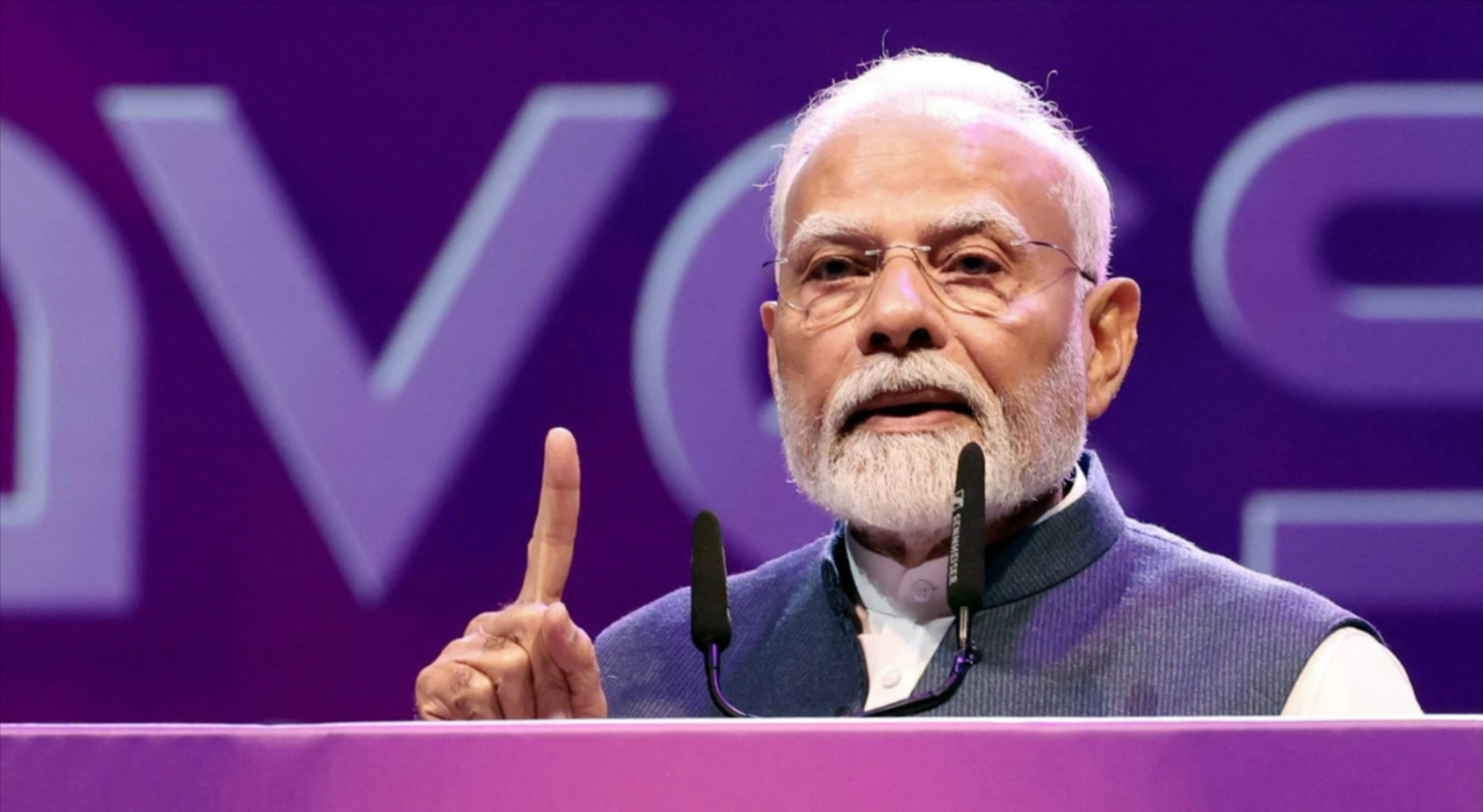
During the WAVES Summit in Mumbai, Prime Minister Narendra Modi underlined India's developing position in the global creative economic sector. During his opening address, India earned the description of an "orange economy" because cultural and creative sectors drive both financial growth and job creation. Rajnikanth and Mukesh Ambani joined

The Mahahtra government achieved a historical milestone by returning to India the historic sword of Raghuji Bhosale I during a Sotheby’s auction in London, which belonged to a notable 18th-century Maratha ruler. The state of Mahahtra achieves its first success in acquiring historical artifacts from international auctions. The bidding


Stay updated with The Hindu Editorial Vocab24 app, your definitive source for breaking news and comprehensive coverage from India and around the globe. Whether it's political developments, business updates, sports highlights, the latest technology trends, or current events, The Hindu brings live, accurate, and reliable news directly to your device.
Don’t fall for sensationalized or fake news shared online. Read and share accurate updates with friends and family through The Hindu Editorial Vocab24 app. Download it today!
News Coverage in The Hindu Editorial Vocab24 App
Breaking News: Receive instant notifications on breaking news stories as they unfold. Stay informed about major events and developments in India and around the world with live blogs, news in shorts videos, and concise articles.
Politics: Get the latest updates on Indian politics, including elections, policy changes, government decisions, and political events that shape the nation.
Business and Economy: Stay ahead in the economic landscape with detailed business news and market analysis. Learn about stock market trends, financial reports, corporate news, and economic developments to make informed investment decisions.
Current Events: Follow stories on social issues, policy changes, global events, and daily current affairs, tailored for UPSC and other competitive exam preparations.
Technology: Keep up with the latest gadgets, innovations, and tech trends. Read expert reviews and analyses in short, concise updates on cutting-edge technology from India and beyond.
Sports: Never miss a moment of your favorite sports. Get live scores, match reports, and expert analysis on cricket, football, tennis, and more.
International News: Stay informed about global events and geopolitical developments, including the Russia-Ukraine war, Israel-Palestine conflict, and other key international stories.
Local News: Stay connected to your community with the latest updates on city events, issues, and local news. Coverage includes hyperlocal updates from cities like Bangalore, Chennai, Delhi, Hyderabad, Mumbai, Kolkata, and more.
Trending Topics: Discover what's trending today with the most talked-about stories and hot topics across India and the world.
Experience journalism that values integrity, accuracy, and reliability. Download The Hindu Editorial Vocab24 app today and stay connected with the world.
Subscribe to our newsletter!