
The Vanashakti verdict is balanced and pragmatic
While the judgment firmly reiterates that obtaining prior EC is a mandatory legal requirement under the Environment Impact Assessment Notification (EIA) Notification, 2006, it also provides an important policy direction that could have far-reaching implications for thousands of industries, infrastructure projects and real estate developments across India.The Court has categorically held that project proponents who commenced construction or operations without obtaining prior EC and that did not apply under the earlier violation mechanisms, cannot now seek regularisation under the 2017 Notification or the 2021 Standard Operating Procedure (Office Memorandum). Those mechanisms are no longer available for fresh cases.
At first glance, this may appear to shut the door completely on pending violation projects. However, a closer reading of the judgment reveals a far more balanced and pragmatic approach. One of the most significant aspects is the Court’s recognition that the central government continues to possess the statutory power under Section 3 of the Environment (Protection) Act, 1986 to frame a fresh statutory mechanism for dealing with violation cases, if considered necessary in the larger public interest.
The Court has made an important distinction between an administrative office memorandum, which cannot override the requirement of prior EC, and a statutory notification issued under the powers conferred by the Environment (Protection) Act. While the former has been held to be legally unsustainable, the latter remains a permissible legislative option, provided it is carefully designed within the framework of environmental law.
This observation is likely to have significant policy implications. Across India, numerous industrial units, commercial developments, infrastructure projects and public utility projects remain in violation of the EC requirements for various reasons. Some projects proceeded due to regulatory uncertainty, others due to an incorrect interpretation of the law, while some simply failed to obtain the necessary approvals before commencement. Many such projects never applied under the earlier violation windows and have therefore been left without a legal pathway following the closure of the 2017 scheme and the striking down of the 2021 Office Memorandum.
The present judgment acknowledges this practical reality without compromising the fundamental principle that prior EC remains mandatory.
Where there is a balancing act
Importantly, the Court has not directed the central government to introduce a new regularisation scheme. Instead, it has clarified that the government may, if it considers it necessary, in the larger public interest, issue a fresh statutory notification providing a one-time opportunity for specified categories of violation projects.
The Court has also indicated the safeguards that such a notification must incorporate. Any future scheme cannot become a permanent “violate first, regularise later” mechanism. Instead, it should be strictly one-time, supported by statutory authority, and should include comprehensive environmental safeguards such as environmental damage assessment, remediation measures, environmental compensation and strict compliance conditions.
This balanced approach attempts to reconcile two equally important objectives. On one hand, environmental laws cannot encourage deliberate violations by allowing routine post-facto approvals, while on the other, indiscriminate closure or demolition of every violation project may not always serve either environmental protection or the larger public interest, particularly where projects are otherwise environmentally acceptable and substantial investments have already been made.
The judgment therefore reinforces the principle that environmental governance should combine strict enforcement with practical and scientifically sound regulatory solutions.
For project developers, industries and infrastructure agencies, the immediate message is straightforward. No fresh applications can now be made under the earlier violation mechanisms. However, the judgment also leaves open the possibility that the central government may formulate a fresh statutory framework to address pending violation cases in an environmentally responsible manner.
The regulatory road ahead
Whether such a policy initiative will be undertaken now rests entirely with the central government. Given the large number of pending projects across various sectors, industry associations, infrastructure developers, environmental professionals and other stakeholders are expected to closely watch the government’s next steps. The judgment has effectively closed the old regulatory route but has simultaneously acknowledged that Parliament’s environmental legislation still provides sufficient statutory authority for a carefully structured one-time solution, should the government consider such intervention necessary.
The July 2026 judgment is therefore significant not merely because it settles the legal validity of earlier violation mechanisms, but also because it charts the contours of any future policy on environmental regularisation. It preserves the integrity of the prior EC regime while leaving sufficient legislative space for the government to address genuine legacy violations through a lawful, transparent, and environmentally robust statutory framework.
The top court’s verdict closes existing environmental clearance regularisation routes while leaving scope for a new framework
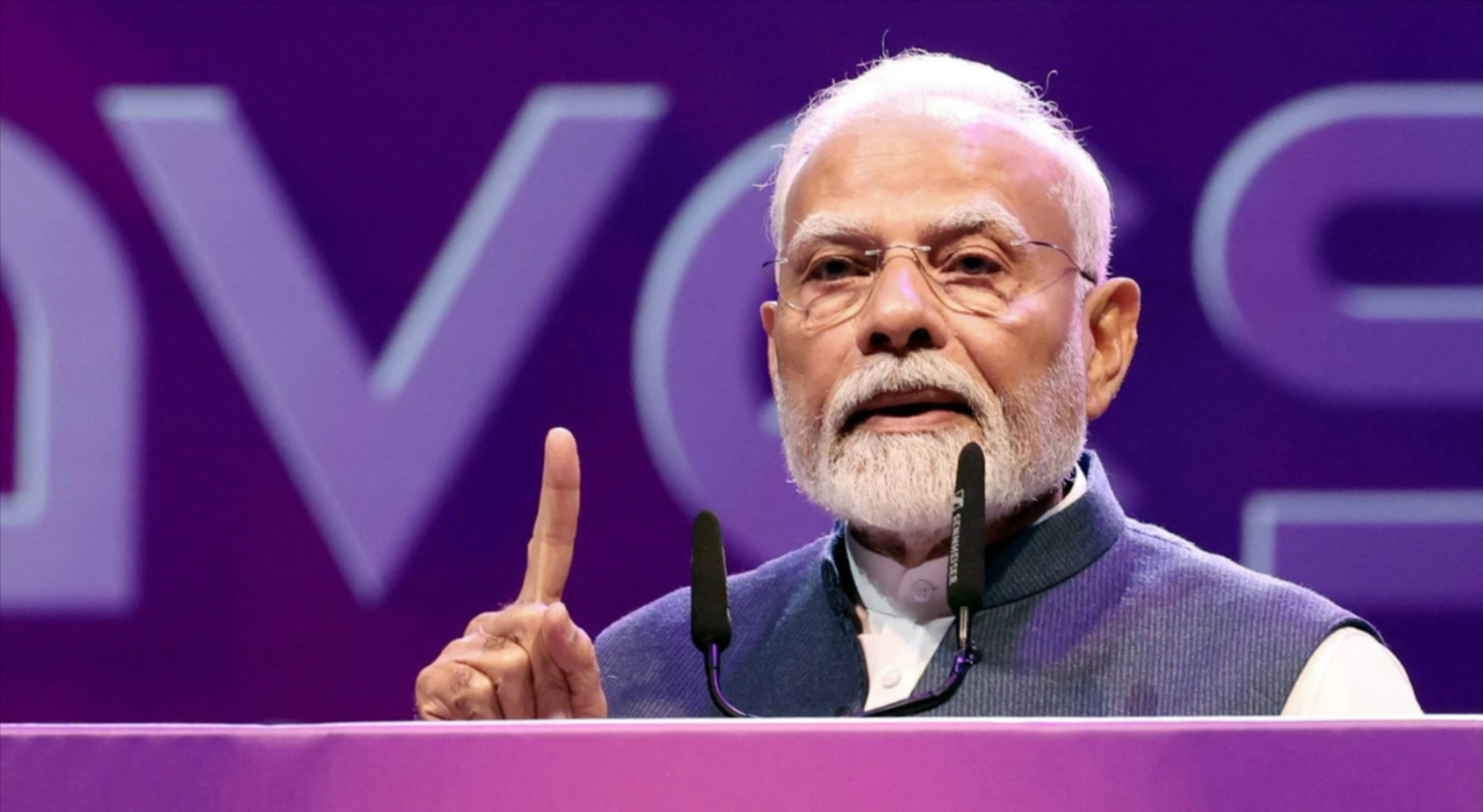
During the WAVES Summit in Mumbai, Prime Minister Narendra Modi underlined India's developing position in the global creative economic sector. During his opening address, India earned the description of an "orange economy" because cultural and creative sectors drive both financial growth and job creation. Rajnikanth and Mukesh Ambani joined
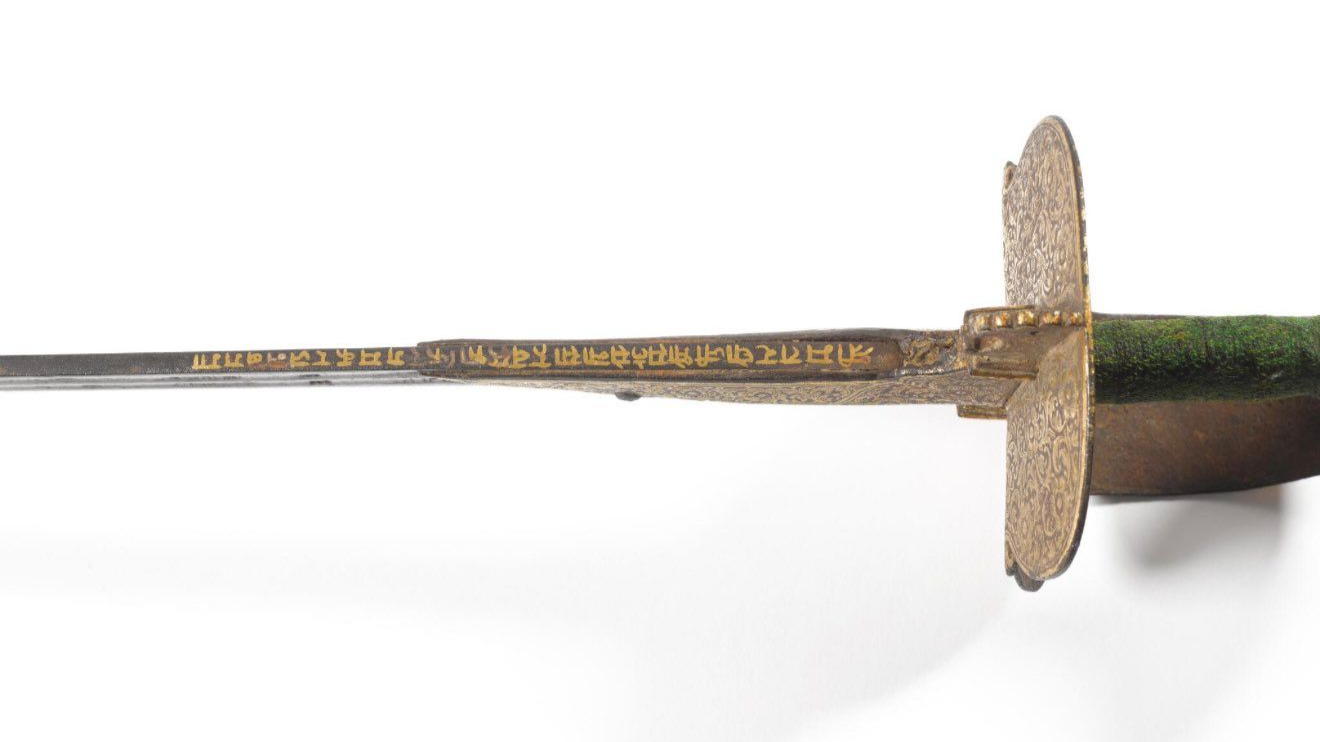
The Mahahtra government achieved a historical milestone by returning to India the historic sword of Raghuji Bhosale I during a Sotheby’s auction in London, which belonged to a notable 18th-century Maratha ruler. The state of Mahahtra achieves its first success in acquiring historical artifacts from international auctions. The bidding


Stay updated with The Hindu Editorial Vocab24 app, your definitive source for breaking news and comprehensive coverage from India and around the globe. Whether it's political developments, business updates, sports highlights, the latest technology trends, or current events, The Hindu brings live, accurate, and reliable news directly to your device.
Don’t fall for sensationalized or fake news shared online. Read and share accurate updates with friends and family through The Hindu Editorial Vocab24 app. Download it today!
News Coverage in The Hindu Editorial Vocab24 App
Breaking News: Receive instant notifications on breaking news stories as they unfold. Stay informed about major events and developments in India and around the world with live blogs, news in shorts videos, and concise articles.
Politics: Get the latest updates on Indian politics, including elections, policy changes, government decisions, and political events that shape the nation.
Business and Economy: Stay ahead in the economic landscape with detailed business news and market analysis. Learn about stock market trends, financial reports, corporate news, and economic developments to make informed investment decisions.
Current Events: Follow stories on social issues, policy changes, global events, and daily current affairs, tailored for UPSC and other competitive exam preparations.
Technology: Keep up with the latest gadgets, innovations, and tech trends. Read expert reviews and analyses in short, concise updates on cutting-edge technology from India and beyond.
Sports: Never miss a moment of your favorite sports. Get live scores, match reports, and expert analysis on cricket, football, tennis, and more.
International News: Stay informed about global events and geopolitical developments, including the Russia-Ukraine war, Israel-Palestine conflict, and other key international stories.
Local News: Stay connected to your community with the latest updates on city events, issues, and local news. Coverage includes hyperlocal updates from cities like Bangalore, Chennai, Delhi, Hyderabad, Mumbai, Kolkata, and more.
Trending Topics: Discover what's trending today with the most talked-about stories and hot topics across India and the world.
Experience journalism that values integrity, accuracy, and reliability. Download The Hindu Editorial Vocab24 app today and stay connected with the world.
Subscribe to our newsletter!