The strategic vulnerability in India’s LPG supply model
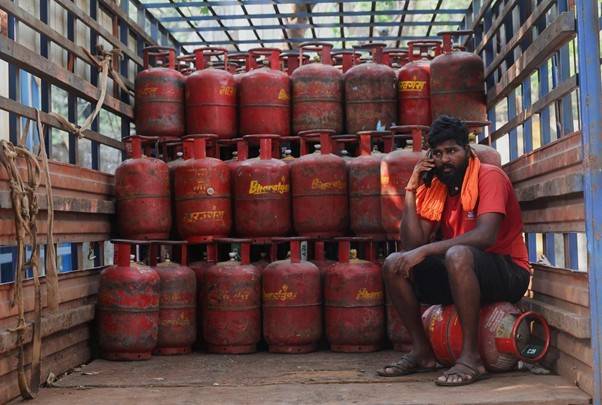
India’s Liquefied Petroleum Gas (LPG) problem is not a passing shortage. It comes from a gap that has grown too wide to ignore. India consumed about 33.15 million tonnes of LPG last year, but domestic production met only about 40% of that need. The remaining 60% had to be imported. Put plainly, India’s total LPG demand is now about 250% of indigenous production, while annual LPG imports are equal to about 150% of domestic LPG output. That is not a minor balancing gap. It is a significant mismatch between what India produces and what its kitchens consume.This matters because LPG in India is overwhelmingly a household fuel; commercial LPG accounts for less than 10% of national consumption. So, the imported molecule is not mainly feeding a flexible industrial user that can cut runs or switch feedstock. It is going into domestic kitchens. This is what makes India’s LPG dependence more serious than a normal product-import issue. A petrochemical plant can slow down. A household kitchen cannot.
No longer a dependable corridor
The crisis now has exposed this sharply. About 90% of India’s LPG imports normally transit the Strait of Hormuz. India must now accept that the Strait of Hormuz cannot be treated as a routinely dependable corridor for household fuel security. Even if the present tensions ease, the old assumption of uninterrupted normality will not return easily. The risk attached to this route has now entered the strategic calculation in a lasting way.
Import dependence alone, however, does not tell the full story. Japan imports a larger share of LPG than India does. China and South Korea also import large volumes of LPG. But what matters is not only how much a country imports. It is where the molecule goes, what alternatives households already have, and how much storage supports the system.
Lessons from Japan
The table shows why raw percentages can mislead. Japan appears more import-dependent than India on LPG. Yet, Japanese household vulnerability is far lower — LPG serves only about 40% of households. Electricity accounts for about 55% of residential final energy use, and city gas also has a large residential base. More importantly, Japan has about 108.3 days of LPG stock through national and private reserves. Japan imports more, but it cushions that dependence with alternatives and storage.
China and South Korea are different again. In China, a large share of its LPG demand is driven by the petrochemical sector. In South Korea, household energy is supported much more by natural gas and electricity.
India’s position is more exposed because the imported molecule goes overwhelmingly into domestic kitchens. India’s problem is not that it imports LPG — many countries do. India’s problem is that it imports LPG for the one use that is hardest to defer and also the hardest to replace quickly.
India’s storage position also needs to be seen clearly. The Petroleum Planning and Analysis Cell reports about 15 days of LPG tankage cover in the broad operational sense across import locations, bottling plants, refineries and fractionators. But visible underground cavern-based deep storage is only about 140,000 tonnes — 60 TMT at Visakhapatnam (Andhra Pradesh) and 80 TMT at Mangaluru (Karnataka) which is equal to only about 1.5 days of national demand. The first number shows that the system is not empty. The second shows that reserve-style protection is still very thin for a country of India’s size and import dependence.
There is another point that deserves attention. India is not buying LPG in a loose, neutral global market. The exportable pool is not large, and it is already heavily claimed by a few Asian buyers.
Just four Asian countries absorb a little over half of the world’s exportable LPG pool. And the rest is not sitting idle waiting to be redirected. Much of it is already tied up in petrochemicals, household cooking and heating, and autogas. This is why any sustained loss of dependable Gulf supply can quickly tighten the market.
What India should do
How can India reduce its vulnerability?
First, it should stop treating all LPG molecules as one pool. During the present disruption, India has already directed refiners to prioritise propane and butane for cooking LPG rather than for petrochemical or gasoline-blending use. That logic should continue. Domestically produced LPG and refinery-origin C3/C4 (propane/butane) streams should be reserved first for household fuel security. Petrochemical users should increasingly arrange their own feedstock imports. The government should not have to defend domestic kitchens and industrial feedstock demand from the same protected pool.
Second, India should build a deeper LPG buffer. An initial goal of two to three weeks of protected cover for the household pool would be a sensible start. At current demand levels, that means about 1.3 million tonnes for 14 days and 1.9 million tonnes for 21 days. This is a large jump from the current cavern capacity, but it is the minimum scale at which India can begin to claim meaningful resilience.
Third, India needs a sustained campaign for electric cooking in urban and semi-urban India. This cannot be a one-season appeal. It has to continue over the years. Households with reliable power, adequate wiring and access to induction cooking should be encouraged to shift their primary cooking load away from LPG. A ‘Give it up 2.0’ plan should be launched.
The aim is simple: reduce the number of homes for which the LPG cylinder remains the first and only kitchen fuel. Piped Natural Gas (PNG) should expand where density supports it, but electricity is the broader lever.
India’s LPG vulnerability will continue to persist unless policy addresses a basic mismatch: demand that is too high relative to domestic production; imports that are too concentrated in a single corridor, and excessive dependence concentrated in household kitchens. The answer is not simply to buy more LPG cargoes. It is to reserve domestic molecules for kitchens, separate petrochemical demand, build more storage, and steadily reduce the number of homes that rely on LPG alone.
India’s LPG problem is not a passing shortage. It is an enduring mismatch between what the country produces and what its kitchens consume. This is why India’s asymmetric LPG demand will remain a lasting vulnerability — unless the design of the system itself changes.
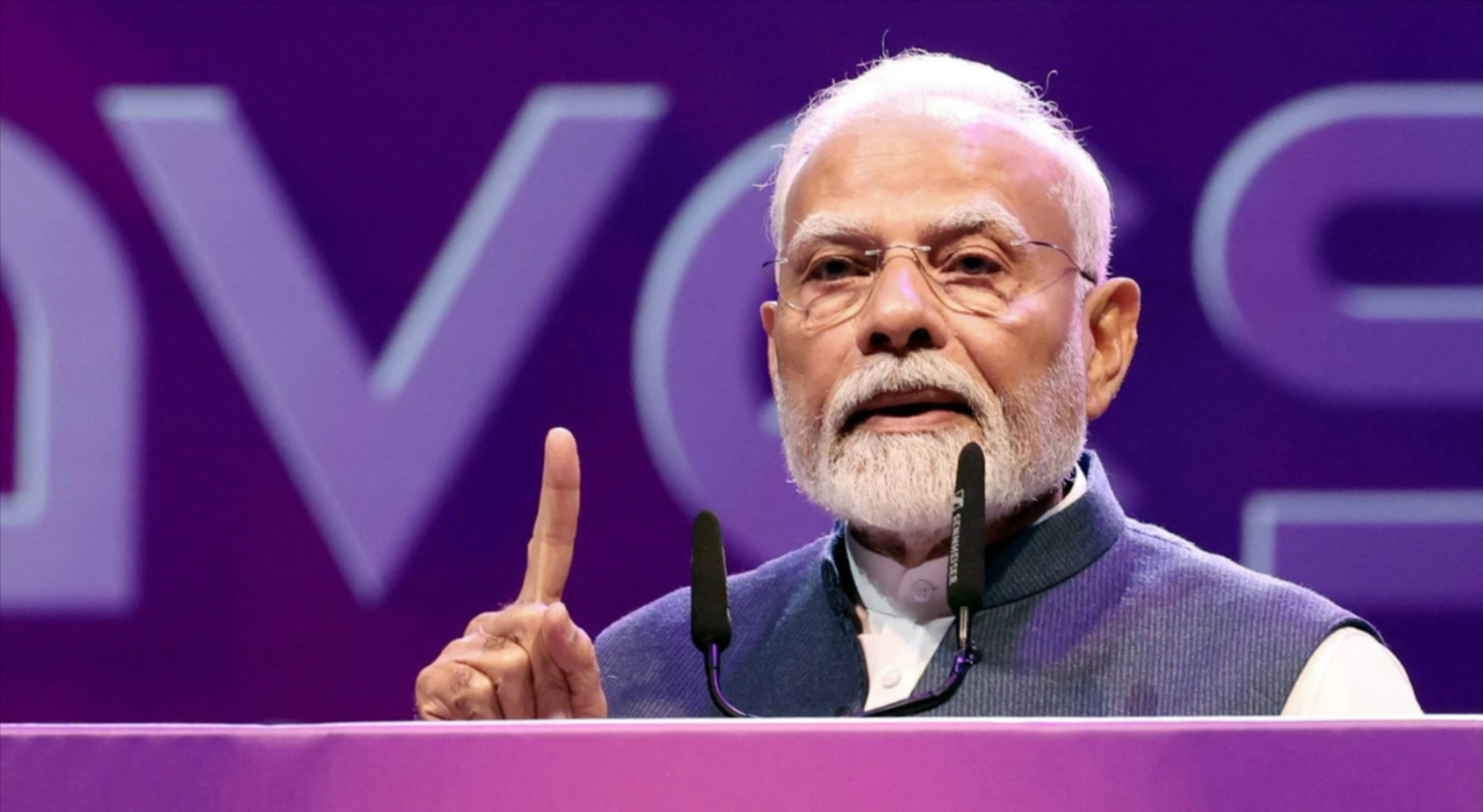
During the WAVES Summit in Mumbai, Prime Minister Narendra Modi underlined India's developing position in the global creative economic sector. During his opening address, India earned the description of an "orange economy" because cultural and creative sectors drive both financial growth and job creation. Rajnikanth and Mukesh Ambani joined

The Mahahtra government achieved a historical milestone by returning to India the historic sword of Raghuji Bhosale I during a Sotheby’s auction in London, which belonged to a notable 18th-century Maratha ruler. The state of Mahahtra achieves its first success in acquiring historical artifacts from international auctions. The bidding


Stay updated with The Hindu Editorial Vocab24 app, your definitive source for breaking news and comprehensive coverage from India and around the globe. Whether it's political developments, business updates, sports highlights, the latest technology trends, or current events, The Hindu brings live, accurate, and reliable news directly to your device.
Don’t fall for sensationalized or fake news shared online. Read and share accurate updates with friends and family through The Hindu Editorial Vocab24 app. Download it today!
News Coverage in The Hindu Editorial Vocab24 App
Breaking News: Receive instant notifications on breaking news stories as they unfold. Stay informed about major events and developments in India and around the world with live blogs, news in shorts videos, and concise articles.
Politics: Get the latest updates on Indian politics, including elections, policy changes, government decisions, and political events that shape the nation.
Business and Economy: Stay ahead in the economic landscape with detailed business news and market analysis. Learn about stock market trends, financial reports, corporate news, and economic developments to make informed investment decisions.
Current Events: Follow stories on social issues, policy changes, global events, and daily current affairs, tailored for UPSC and other competitive exam preparations.
Technology: Keep up with the latest gadgets, innovations, and tech trends. Read expert reviews and analyses in short, concise updates on cutting-edge technology from India and beyond.
Sports: Never miss a moment of your favorite sports. Get live scores, match reports, and expert analysis on cricket, football, tennis, and more.
International News: Stay informed about global events and geopolitical developments, including the Russia-Ukraine war, Israel-Palestine conflict, and other key international stories.
Local News: Stay connected to your community with the latest updates on city events, issues, and local news. Coverage includes hyperlocal updates from cities like Bangalore, Chennai, Delhi, Hyderabad, Mumbai, Kolkata, and more.
Trending Topics: Discover what's trending today with the most talked-about stories and hot topics across India and the world.
Experience journalism that values integrity, accuracy, and reliability. Download The Hindu Editorial Vocab24 app today and stay connected with the world.
Subscribe to our newsletter!