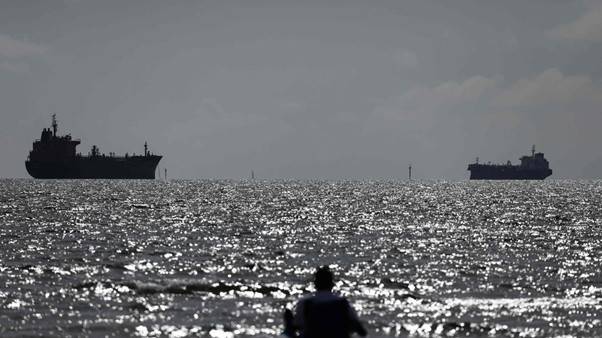
Oil prices reflect geopolitical risks, not only supply
In the aftermath of the war in West Asia, crude oil prices surged to as high as $118 a barrel last week. Alongside rising tensions, this situation has been building for over two months. Since mid-December 2025, when Brent crude stood at $57.56, prices have surged by more than 100%. They have, however, come down since then but remain in three digits, with no immediate sign of easing.Historically, geopolitical shocks follow a predictable pattern. There is an immediate market overreaction that is followed by gradual stabilisation as trade routes adjust. However, the global oil market is once again operating under a profound geopolitical shadow.
What has changed in the development now
The developments in West Asia, intensifying strategic rivalries among major powers, and persistent conflict-driven uncertainty have brought geopolitics back to the centre of the energy discourse. Yet, the nature of this influence has shifted. Unlike previously, where regional conflicts rarely removed Gulf barrels from the global pool, the current disruptions have created tangible barriers to supply, fundamentally altering the costs, confidence, and conditions of the oil trade.
For major importing economies such as India, this shift has significant implications. Oil security is no longer just about physical access. It is also defined by exposure to the financial, logistical, and political uncertainties surrounding every shipment.
The vulnerability of global maritime arteries is stark. Around a fifth of global oil consumption is transported through the Strait of Hormuz, and roughly a tenth of seaborne crude passes through the Bab el-Mandeb and Suez corridor. The ongoing conflict involving Israel and Iran has effectively sidelined 20% of global supplies, even in the absence of planned production cuts. The market has reacted sharply to these signals. Over the past year, Brent crude has frequently fluctuated by 5%-10% within days of military or diplomatic developments, regardless of actual production volumes. Currently, however, the impact on physical supply is so drastic that prices continue to climb without a visible peak.
Tensions do more than just inflate the price of a barrel. They make maritime unsecure. Chokepoints remain vital arteries of trade, but their significance today lies in making global machinery vulnerable. Even limited disruptions or attacks on commercial shipping can alter vessel routing and raise freight costs. These drive up freight rates; the world has seen daily rates for supertankers more than double) , affect shipping insurance premiums, and tighten vessel availability. Major container carriers have implemented emergency conflict surcharges or war risk surcharges. These escalations ripple through the supply chain, directly influencing landed import prices.
It is about politics
Furthermore, oil has been transformed from a mere commodity into a political instrument. The redirection of Russian crude following the Ukraine conflict illustrates this dynamic. Although Russia maintained export volumes by pivoting to Asian markets, the shift introduced longer shipping routes, complex payment arrangements, and evolving compliance frameworks. What appeared stable in volume was highly volatile in operational and financial terms.
For importing countries, this creates a dual exposure. Price volatility is no longer driven solely by the supply-demand balance but by changes in geopolitical sentiment. Markets respond to diplomatic signals, military developments and regulatory announcements with a speed that often exceeds the pace of actual trade flows. This weakens the historical relationship between production levels and consumer prices.
The growing role of financial markets amplifies geopolitical sentiment, as oil is traded not only as a physical commodity but also as a financial asset through futures, options, and derivatives. During periods of stress, investors use oil as both an inflation hedge and a risk-sensitive instrument. This explains why speculative positions often expand even when physical inventories are comfortable — prices reflect expectations and portfolio behaviour rather than immediate scarcity.
Strategic Petroleum Reserves (SPRs) have also evolved. Originally intended to address physical supply interruptions, they are now deployed to counter psychological volatility in the market. For instance, G-7 leaders have announced the release of 400 million barrels of oil in response to the war in West Asia (which is said to be about 20 days of the usual oil traffic through the Strait of Hormuz). The goal is to stabilise market sentiment as much as it is to provide physical barrels. The news of these discussions recently prompted a sell-off, easing Brent and West Texas Intermediate gains to some extent.
Major powers shape this environment in different ways. The United States, now one of the world’s largest producers of various petroleum products, influences markets through its strategic stock policies and diplomatic engagement with producers.
Meanwhile, Asia has become the primary centre of demand growth, accounting for the majority of incremental oil consumption over the past decade. Producer coordination through organisations such as the Organization of the Petroleum Exporting Countries continues to influence supply management, but its impact now interacts with geopolitical risk premia embedded in prices.
The continuing relevance of oil
The energy transition adds another layer of complexity. While renewable energy and electric mobility are expanding, oil remains central to the transport, aviation and petrochemicals sectors/industries. Global oil demand still exceeds 105 million barrels per day, and petrochemicals account for a rising share of incremental consumption. This produces a segmented market: one part linked to declining fuel use, another tied to industrial growth. Thus, geopolitics continues to exert influence over a commodity whose strategic relevance is changing but not disappearing.
For India, where oil demand is not expected to peak soon and is projected to drive much of global growth, this environment highlights the need for adaptability rather than alarm. The ability to process diverse crude grades, source from multiple geographies and maintain strategic reserves provides buffers against instability. Equally crucial is building commercial and financial expertise to navigate complex trading arrangements. Energy policy, in this sense, must integrate diplomacy, maritime awareness and market analytics.
This evolving structure complicates the notion of energy security. It now requires resilience not only against supply disruptions but also against financial and logistical shocks. Payment systems, shipping insurance, and contract enforcement have become integral to the energy security architecture.
The broader lesson is that oil has entered a phase where risk is as significant as the resource itself. Geopolitics will continue to influence oil prices by shaping perceptions of safety, reliability, and continuity, as well as affecting the physical flow of oil. Understanding this transformation is essential for managing a vulnerable world. Stability now depends on preserving predictable trade mechanisms and avoiding diplomatic ruptures that amplify uncertainty. In the years ahead, the resilience of importing nations will depend both on the origin of their crude and on how effectively they manage the political and financial currents surrounding every barrel of oil.
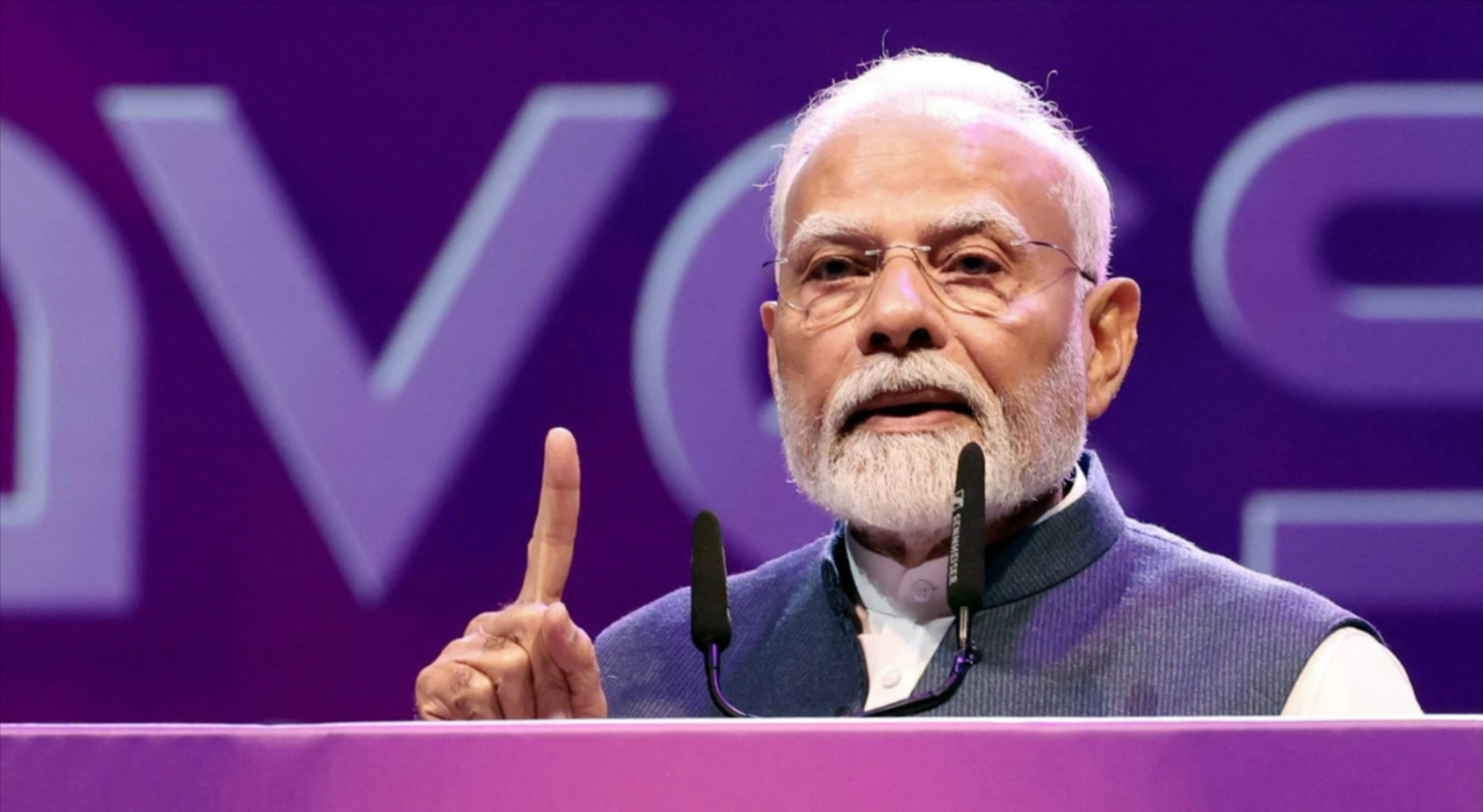
During the WAVES Summit in Mumbai, Prime Minister Narendra Modi underlined India's developing position in the global creative economic sector. During his opening address, India earned the description of an "orange economy" because cultural and creative sectors drive both financial growth and job creation. Rajnikanth and Mukesh Ambani joined

The Mahahtra government achieved a historical milestone by returning to India the historic sword of Raghuji Bhosale I during a Sotheby’s auction in London, which belonged to a notable 18th-century Maratha ruler. The state of Mahahtra achieves its first success in acquiring historical artifacts from international auctions. The bidding


Stay updated with The Hindu Editorial Vocab24 app, your definitive source for breaking news and comprehensive coverage from India and around the globe. Whether it's political developments, business updates, sports highlights, the latest technology trends, or current events, The Hindu brings live, accurate, and reliable news directly to your device.
Don’t fall for sensationalized or fake news shared online. Read and share accurate updates with friends and family through The Hindu Editorial Vocab24 app. Download it today!
News Coverage in The Hindu Editorial Vocab24 App
Breaking News: Receive instant notifications on breaking news stories as they unfold. Stay informed about major events and developments in India and around the world with live blogs, news in shorts videos, and concise articles.
Politics: Get the latest updates on Indian politics, including elections, policy changes, government decisions, and political events that shape the nation.
Business and Economy: Stay ahead in the economic landscape with detailed business news and market analysis. Learn about stock market trends, financial reports, corporate news, and economic developments to make informed investment decisions.
Current Events: Follow stories on social issues, policy changes, global events, and daily current affairs, tailored for UPSC and other competitive exam preparations.
Technology: Keep up with the latest gadgets, innovations, and tech trends. Read expert reviews and analyses in short, concise updates on cutting-edge technology from India and beyond.
Sports: Never miss a moment of your favorite sports. Get live scores, match reports, and expert analysis on cricket, football, tennis, and more.
International News: Stay informed about global events and geopolitical developments, including the Russia-Ukraine war, Israel-Palestine conflict, and other key international stories.
Local News: Stay connected to your community with the latest updates on city events, issues, and local news. Coverage includes hyperlocal updates from cities like Bangalore, Chennai, Delhi, Hyderabad, Mumbai, Kolkata, and more.
Trending Topics: Discover what's trending today with the most talked-about stories and hot topics across India and the world.
Experience journalism that values integrity, accuracy, and reliability. Download The Hindu Editorial Vocab24 app today and stay connected with the world.
Subscribe to our newsletter!