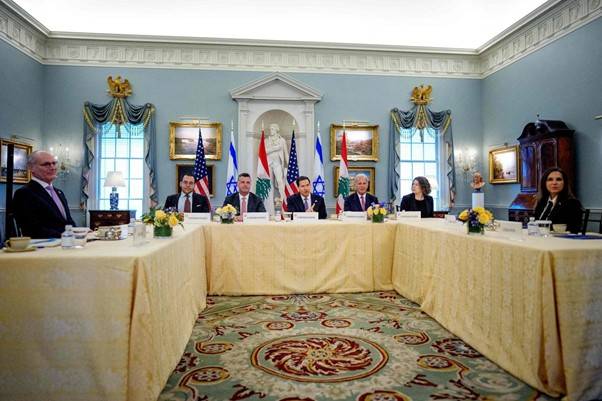
Lebanon yearns for peace and deliverance
The high-octane din of the ongoing Operation Epic Fury against Iran, which began on February 28, 2026, has largely subsumed an equally ferocious war being waged simultaneously in Lebanon. While this fracas between the Israeli Defense Forces (IDF) and Lebanon’s Hezbollah militia has some linkages to the Iranian imbroglio, it would be simplistic to regard it as a mere sideshow of the latter. The Lebanon conflict predates the formation of the Islamic Republic of Iran in 1979 and has its own background, drivers and ramifications.A battleground
Indeed, for much of its 83 years as an independent nation, Lebanon, with a current population of five million, has been used as a springboard for foreign causes against Israel, with which it shares a 79-km land border. Following the creation of Israel in 1948, nearly 1,00,000 Palestinians took refuge in Lebanon. They eventually led to the establishment of the Palestine Liberation Organisation (PLO), based in Beirut, forming a state within the Lebanese state. The PLO, under its Chairman Yasser Arafat, conducted guerrilla activities against Israel, provoking Israeli wrath against Lebanon. A civil war broke out in Lebanon in 1975, pushing ethnic identities over nationalism. The PLO joined the conflict. In 1982 the IDF invaded Lebanon to expel it, causing the PLO to relocate to Tunis. However, most Palestinian residents remained in Lebanon and are now estimated at around 5,00,000, roughly one-tenth of the population. Syria, a neighbouring big brother under the al-Assad regime, also intervened in the civil war, maintaining a so-called “deterrent force” ostensibly to maintain order.
Lebanon’s relief at the PLO’s exit was short-lived. Revolutionary Iran soon waded in to seed the Hezbollah militia to collectivise and militarise the country’s sizable, but poorer, Shia population in the southern areas bordering Israel. Over the next few decades, Iran invested billions of dollars into bankrolling Hezbollah, transforming it into Lebanon’s most powerful militia, a Shia welfare organisation, and a key pillar of Iran’s “Axis of Resistance”. Through guerrilla tactics, Hezbollah fighters inflicted steady losses on the IDF, evicting it from the buffer zone in southern Lebanon in 2000. Subsequently, in 2006, Hezbollah fought off the IDF in a month-long conflict. This “success” prompted the militia’s conversion into a regular proto-army with a fortified Israeli border with sizeable missile and drone capabilities.
Following the Hamas attack on Israel on October 7, 2023, Hezbollah joined the battle against the IDF. In the autumn of 2024, Israel leveraged its deep intelligence penetration to devastating effect: decapitating Hezbollah hierarchy, including its long-time leader, Syed Hassan Nasrallah, and several regional commanders. In a dramatic manner, Israel simultaneously exploded a large number of pagers and walkie-talkies to kill, maim, and demoralise hundreds of Hezbollah fighters. Hezbollah kept a steady barrage of missile and drone attacks, forcing many Israeli citizens to relocate from northern Israel. However, by the time of the ceasefire in late October 2024, Hezbollah had been reduced to a pale shadow of its former self. The fall of the al-Assad regime in Syria, which acted as a land bridge with Iran, was a serious setback. Although Hezbollah conspicuously stayed out of Iran’s 12-day war with Israel and the United States in June 2025, the degradation of Iranian defence capabilities impacted it. Within Lebanon, too, its political fortunes suffered, and the country was able to elect a Hezbollah-agnostic President and Prime Minister after a long hiatus. Under the new domestic political order, calls for disarming Hezbollah became more strident as the militia was seen more as the cause of the insecurity than as a self-proclaimed deterrent against Israel.
Conflict and engagement
Against this sombre backdrop, Israel and the U.S. suddenly launched a joint air campaign against Iran on February 28, 2026, assassinating Iran’s Supreme Leader Ayatollah Ali Khamenei in its first salvo. This shocked Hezbollah into attacking Israel with artillery, drones and missiles across the common border, breaking the 15-month ceasefire. The IDF responded in kind with intense air attacks on Hezbollah assets. Both sides internalised the lessons of the last round: Hezbollah used the interregnum to recoup its losses and make operational changes to avoid intelligence leakages. It revived guerrilla tactics, conserving its assets for a long war of attrition. It adopted a decentralised command structure and toned down its political rhetoric. The IDF initially avoided infantry engagements, deploying more armour and airpower.
After an Iranian ceasefire was announced on April 8, Tehran demanded that Lebanon be brought under its ambit. To the contrary, IDF intensified its attacks on Hezbollah, launching “100 air strikes in 10 minutes” and demolishing buildings without prior notice. The IDF depopulated much of the south to create, once again, a buffer zone south of the Litani river. After nine days of ferocious war, U.S. President Donald Trump declared a ceasefire on April 17. The announcement was preceded by a preliminary meeting on April 14 between the Israeli and Lebanese ambassadors in Washington, facilitated by U.S. Secretary of State Marco Rubio. This engagement was noteworthy for many reasons. It was the first contact since the abortive Madrid process in the mid-1990s between the two states formally still at war. The meeting took place despite Hezbollah’s stiff opposition and Iranian insistence on the matter being put under Iran-U.S. ceasefire negotiations. There was considerable opposition within Israel to the ceasefire from hardliners who wanted Hezbollah defanged. In the end, the interests of both the Israeli and Lebanese governments overlapped in hiving off the Iranian connection to Hezbollah. The second round of bilateral talks is scheduled to take place in Washington on April 23, amid sporadic violations of the ceasefire. The second round of Iran-U.S. negotiations in Islamabad, Pakistan, remains stalled.
This Washington process also faces considerable challenges. First, the respective objectives of the stakeholders differ: Beirut wants a permanent ceasefire, an IDF withdrawal to the international border supervised by the United Nations peacekeepers and avoidance of any new civil war, as the Lebanese armed forces are too weak to take on Hezbollah. Jerusalem’s priority is just the opposite: to disarm Hezbollah even if it triggers a Lebanese civil war. On the other hand, Mr. Trump can hardly wait to conclude these negotiations to his list of peace deal trophies; he may eventually wish to include Lebanon among the Abraham Accord signatories. As Hezbollah is stubbornly unwilling to disarm, citing an existential threat from Israel, any reckless move in that direction could precipitate a civil war in a country still deeply fragmented along confessional/ethnic lines. This sensitive issue needs discreet handling, with Hezbollah being offered some assurances to persuade it to disarm. Besides, Lebanon, still recovering from the civil war (1975–1990), has faced two devastating conflicts with Israel in the past two years, which have left 5,282 people dead, displaced 1.2 million, and caused financial losses of $8.5 billion. By early 2026, 35% of Lebanese were living below the national poverty line.
Hope amid prolonged crisis
Lebanon today is a cautionary tale of nearly half a century of accumulated crises, which its ossified nomenklatura swept under the carpet. An early resolution of the Lebanese imbroglio is as elusive as it is important for the country, the entire region and beyond. More Lebanese live outside Lebanon than in the country itself. Further, Lebanon is the only Arab country with a significant proportion of Christians. In the past, tensions between various confessions have sucked in their co-religionist foreign backers, exacerbating the problems. The converse is also true: Lebanese militias have often meddled abroad. Hezbollah, for instance, acted as a protector of Syria’s al-Assad regime and stirred the Shias in the Gulf states and supported al-Houthis in Yemen. At its best, a multi-ethnic Lebanon was a model state with a tolerant, productive and prosperous society that Indians related to. It was a civilisational bridge between Christian Europe and Muslim Arabs. It enriched the world beyond its microcosm — from philosopher Khalil Gibran to thinker Kamal Jumblatt and from historian Philip Hitti to Arabic singer Fairuz. The past half-century has tormented Lebanon with fratricidal civil wars overlaid with foreign causes. The current ceasefire and talks offer a sliver of hope that this jinx has finally been broken and the country can cautiously move towards normalcy.
Despite a tenuous ceasefire, Lebanon remains fragile; the scheduled second round of talks with Israel in Washington offers a sliver of hope
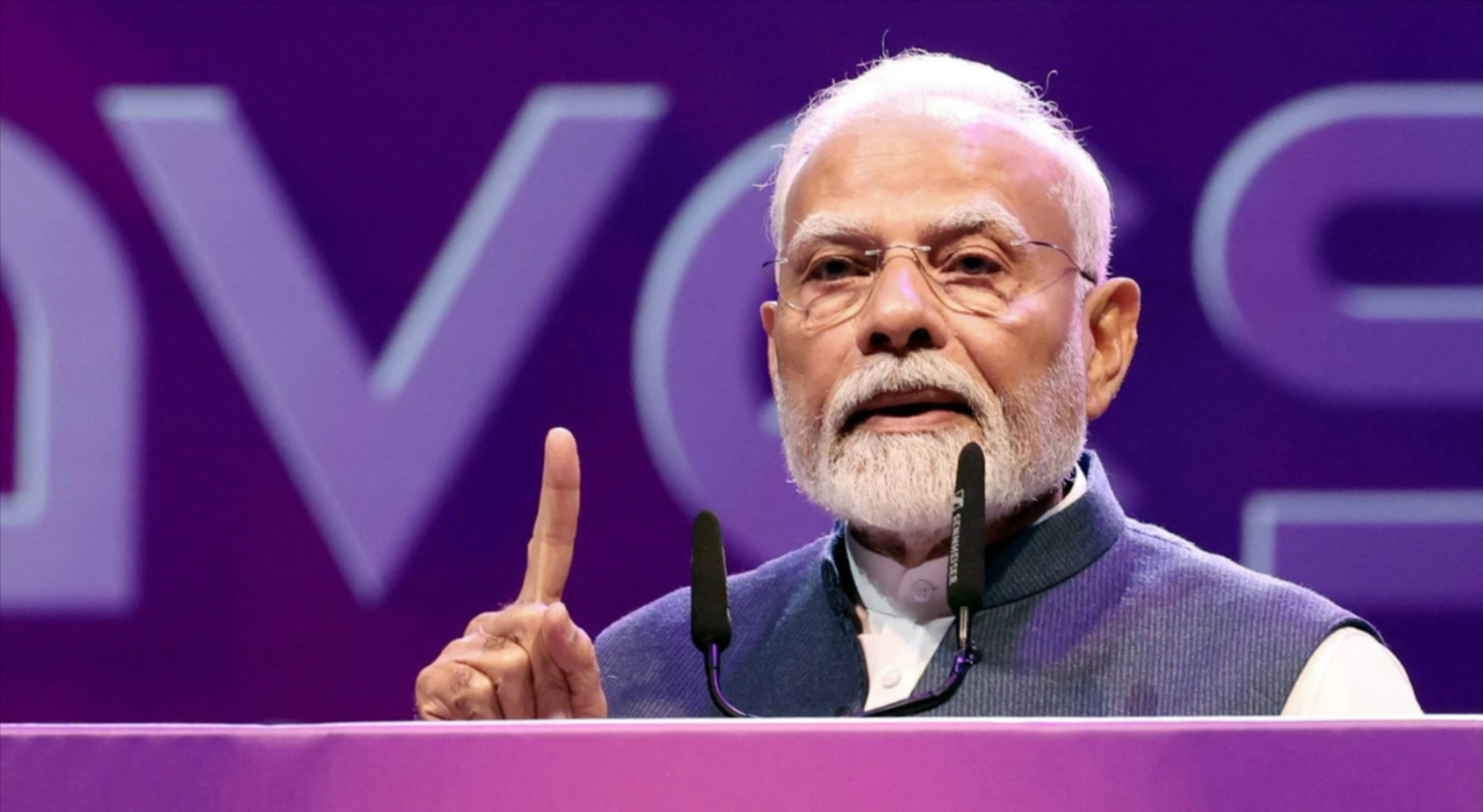
During the WAVES Summit in Mumbai, Prime Minister Narendra Modi underlined India's developing position in the global creative economic sector. During his opening address, India earned the description of an "orange economy" because cultural and creative sectors drive both financial growth and job creation. Rajnikanth and Mukesh Ambani joined
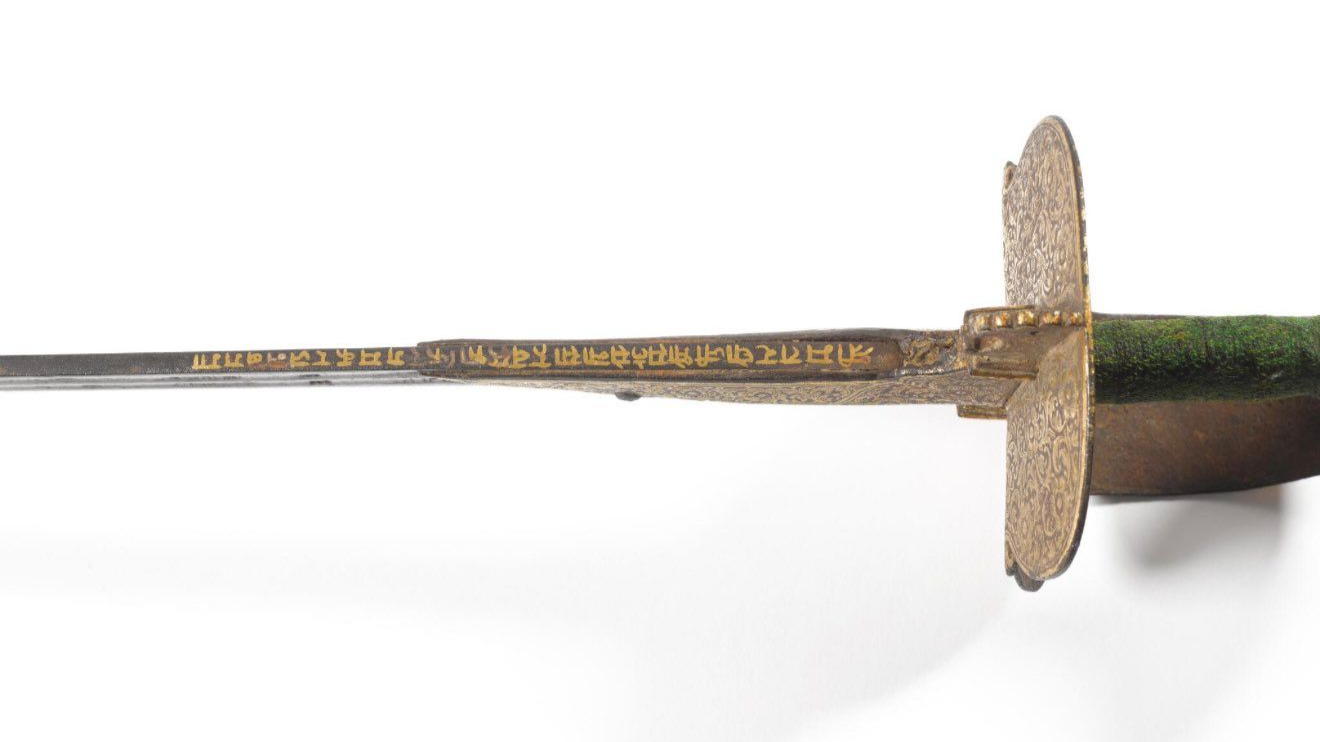
The Mahahtra government achieved a historical milestone by returning to India the historic sword of Raghuji Bhosale I during a Sotheby’s auction in London, which belonged to a notable 18th-century Maratha ruler. The state of Mahahtra achieves its first success in acquiring historical artifacts from international auctions. The bidding


Stay updated with The Hindu Editorial Vocab24 app, your definitive source for breaking news and comprehensive coverage from India and around the globe. Whether it's political developments, business updates, sports highlights, the latest technology trends, or current events, The Hindu brings live, accurate, and reliable news directly to your device.
Don’t fall for sensationalized or fake news shared online. Read and share accurate updates with friends and family through The Hindu Editorial Vocab24 app. Download it today!
News Coverage in The Hindu Editorial Vocab24 App
Breaking News: Receive instant notifications on breaking news stories as they unfold. Stay informed about major events and developments in India and around the world with live blogs, news in shorts videos, and concise articles.
Politics: Get the latest updates on Indian politics, including elections, policy changes, government decisions, and political events that shape the nation.
Business and Economy: Stay ahead in the economic landscape with detailed business news and market analysis. Learn about stock market trends, financial reports, corporate news, and economic developments to make informed investment decisions.
Current Events: Follow stories on social issues, policy changes, global events, and daily current affairs, tailored for UPSC and other competitive exam preparations.
Technology: Keep up with the latest gadgets, innovations, and tech trends. Read expert reviews and analyses in short, concise updates on cutting-edge technology from India and beyond.
Sports: Never miss a moment of your favorite sports. Get live scores, match reports, and expert analysis on cricket, football, tennis, and more.
International News: Stay informed about global events and geopolitical developments, including the Russia-Ukraine war, Israel-Palestine conflict, and other key international stories.
Local News: Stay connected to your community with the latest updates on city events, issues, and local news. Coverage includes hyperlocal updates from cities like Bangalore, Chennai, Delhi, Hyderabad, Mumbai, Kolkata, and more.
Trending Topics: Discover what's trending today with the most talked-about stories and hot topics across India and the world.
Experience journalism that values integrity, accuracy, and reliability. Download The Hindu Editorial Vocab24 app today and stay connected with the world.
Subscribe to our newsletter!