India’s West Asia reset, more sinned against than sinning
During the past month, Indian policy towards West Asia has stirred domestic controversy. As substantive Indian interests are at stake, a professional assessment, based on two trends, is offered without wading into the domestic political blame game.A link to two trends
First, over the past decade, India has raised its diplomatic engagement with West Asia. Prime Minister Narendra Modi has made 15 visits to the six countries of the Gulf Cooperation Council (GCC) — some after a multi-decade hiatus. He also visited Israel twice, and the Palestinian Authority and Iran each once. Comprehensive Economic Partnership Agreements (CEPA) have been signed with the United Arab Emirates (UAE) and Oman, and similar negotiations are underway with the GCC and Israel.
With over $160 billion in bilateral trade and 10 million diaspora, the GCC ranks as India’s largest socio-economic partner. Last decade’s engagements spurred synergy, although the promised investments have lagged. India’s political gains include a de-hyphenation with Pakistan, greater strategic convergence with stronger defence and security tie-ups and growing acceptance of India as a responsible and friendly status quo power.
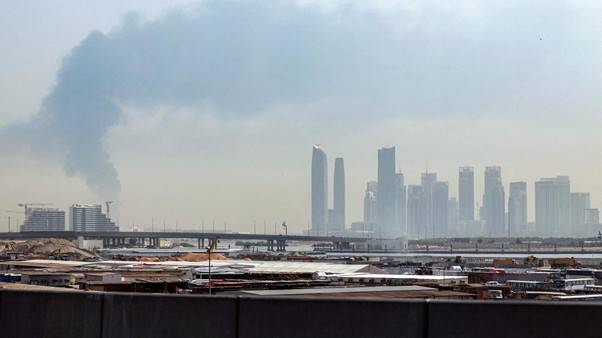
Second, the Gulf monarchies’ ardour for a foreign power is normally rooted in the foreign power’s potential contribution to the security and stability of their royal family, state and region — in that order. Exceptional turmoil in West Asia since October 2023, and a three-week-old war with the GCC countries under direct Iranian drone and missile attacks and the closure of the Strait of Hormuz, have accentuated their search for a better security paradigm than the eight-decade-old regional Pax Americana.
The recent reset in India’s diplomacy in West Asia largely acknowledges the aforementioned two trends and attempts to harness them to serve India’s national interest. To their credit, India’s policymakers have finally realised which side of the bread is buttered, and have launched a qualitative upscaling of a symbiosis with key West Asian countries. Recent initiatives, such as Mr. Modi’s visit to Israel and his individual phone calls to all his GCC counterparts during the early days of the hostilities, have not only assured them of India’s categorical support to their security and stability but also conveyed that India shares and prioritises their concerns at this critical juncture. Later, he also spoke with his Iranian counterpart.
The new doctrine is clearer-sighted and emphasises hard diplomacy. This reset is bereft of two traditional aspects that often dampen the bilateral amity: First, India did not chant the traditional please-all mantras that left all stakeholders partially satisfied and India at the margins of the arena. There was no attempt to “balance” its public policy on controversial issues such as the “two-state solution” and Iran’s quest for nuclear technology. Second, India’s statements reflected its views without needless third-party citations. This demonstrates India’s growing confidence as a credible and autonomous power.
Some domestic detractors have criticised the policy reset on multiple grounds. First, Mr. Modi’s Israel visit (February 25-26) that concluded two days before Tel Aviv unleashed a military campaign against Iran is seen as untimely. Second, the perceived abandonment of India’s traditional support for Palestinians and Iran is seen as immoral. Third, South Block is accused of surrendering India’s sovereign autonomy to western dictates. Fourth, this activist reset may lead to strategic overreach with concomitant challenges such as exposure to security threats and costly defence tie-ups abroad.
The dates of the Prime Minister’s visit to Israel were likely to have been set weeks in advance without any premonition of the February 28 offensive. The West Asian situation being perennially on the front burner makes any such visit risky, giving the ex-post facto criticism of the timing an unfair advantage of 50:50 hindsight. At the same time, the focus of the visit being bilateral renders it in a different domain.
Where other international actors stand
The perceived “immorality” of India’s reset is largely misdirected and should be aimed at more worthy targets, such as China, Russia and Pakistan. Beijing siphoned off nearly 90% of the sanctioned Iranian oil exports, rendering only lip service to Tehran; Russia, which signed a 20-year Comprehensive Strategic Partnership Treaty with Iran last year, has also underdelivered. And last year, Pakistani generals promised to nuke Israel if it attacked Iran; they are now U.S. President Donald Trump’s favourites. Similarly, even the Arabs and Muslim states were conspicuously silent during the Gaza conflict.
While the Indian reset is a long-overdue recognition of the tectonic geopolitical shifts in West Asia, the pendulum swung to the other extreme and is being gradually realigned with national interests. The regional dynamic being notoriously mercurial, India should strive to keep its options more open. The Palestine Cause cannot be wished away forever. At the end of the day, Iran would remain an important player for India as an oil supplier and as a large market for Indian products, reconstruction projects and services. Iran, which borders Pakistan and Afghanistan, could be a strategic ally. Further, if subterranean trends such as growing Arab unease with the American and Israeli Armageddon, the Saudi-UAE rift, the Iraq-Iran estrangement, and aggressive positioning by Pakistan and Türkiye are taken on board, a more nuanced reset would have suitably underscored continuity and inclusion. In retrospect, India could have reacted faster to the developments, such as the assassination of Iran’s Supreme Leader and the appointment of his successor. Political correctness should not make India taciturn, as the diplomatic doublespeak offers many ways to skin the proverbial cat. India’s relations with the U.S. and Israel are not so fragile as to be upended by our agreeing to disagree. Finally, India could have rendered more humanitarian relief to millions affected by the hostilities.
An opportunity for India
The ongoing reset should accommodate two incipient, but profound, regional movements with long-term positives for India. First, the long-standing “Oil-for-Security” compact between the Washington-led West and the moderate Arab regimes has become a collateral casualty of the ongoing U.S.-Israel war against Iran. The U.S. joined Israel in attacking Iran without prior notification to the GCC, ignoring the latter’s cautionary advice. The West not only failed to protect them from Iranian retaliation, but its military bases on their soil became lightning rods for the Iranian attacks. Now, they fear that the U.S. may abruptly conclude the campaign, leaving them to face Iran’s wrath. Once the dust settles, the GCC states may reduce their reliance on the U.S. and diversify their security partnership options to countries such as India, which are less likely to act as a Praetorian Guard. India’s response to any such proposal ought to be based on a careful SWOT analysis with clear rules of engagement.
Second, the Iranian retaliations against the GCC have disrupted business activity and supply chains, and an early return to ‘business as usual’ appears unlikely. The GCC’s appeal as an oasis of eco-political stability in the turbulent region has taken a serious long-term knock, leading to some stakeholders’ clamour for a “GCC+1” strategy. India’s eco-diplomacy must strive to position India as a viable and attractive alternative hub to the GCC’s ritzy but fragile hotspots, which thrived by weaning away capital and talent from India. The current commotion is a historic opportunity to seize what is rightfully ours.
To remain relevant and effective, a country needs a dynamic foreign policy grounded in realism and national interest. Its execution requires the right mix of consistency, agility and modulation. As India’s West Asia policy matures, it is relevant to recall British Prime Minister Lord Palmerston’s maxim, “We have no eternal allies, and we have no perpetual enemies. Our interests are eternal and perpetual....”
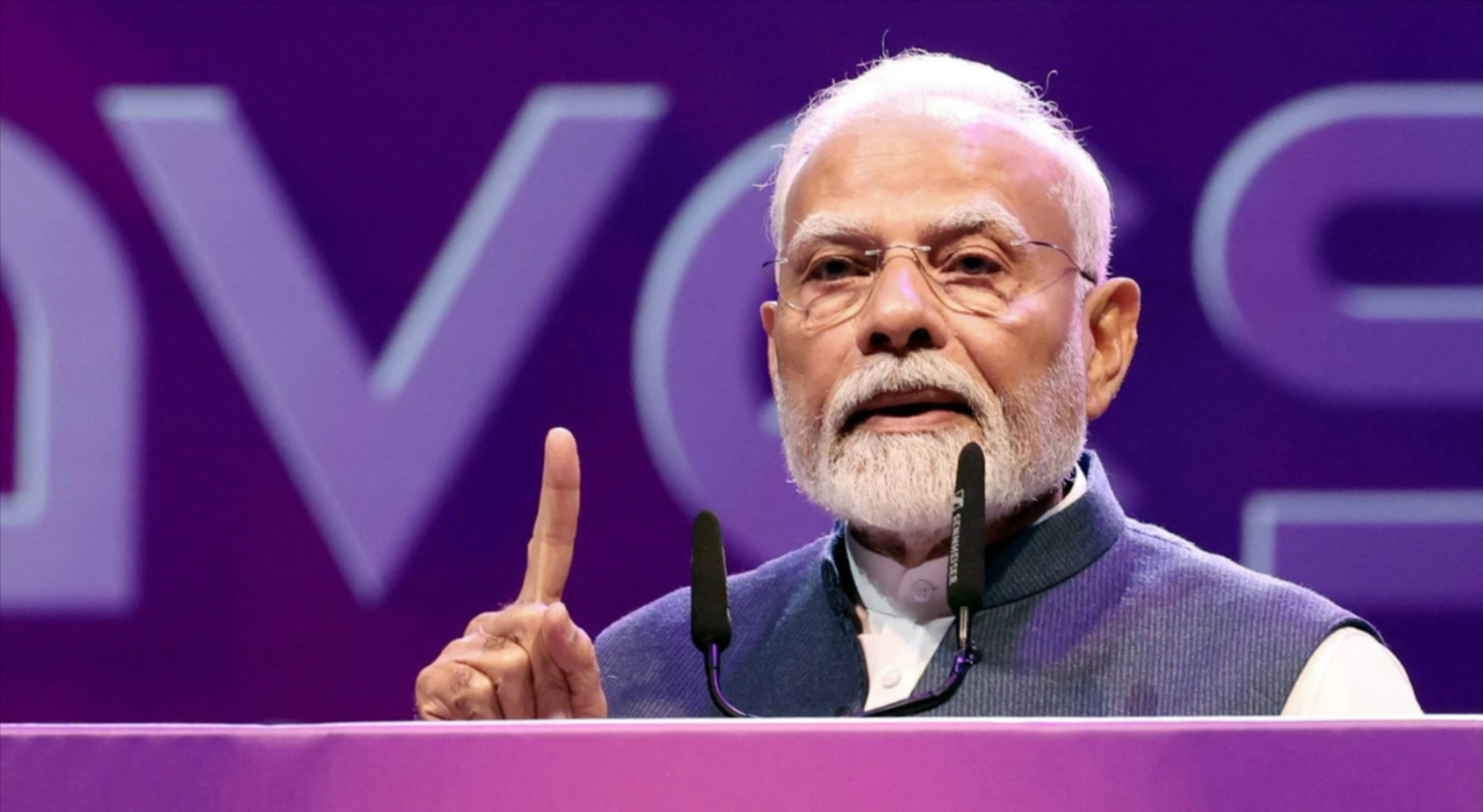
During the WAVES Summit in Mumbai, Prime Minister Narendra Modi underlined India's developing position in the global creative economic sector. During his opening address, India earned the description of an "orange economy" because cultural and creative sectors drive both financial growth and job creation. Rajnikanth and Mukesh Ambani joined
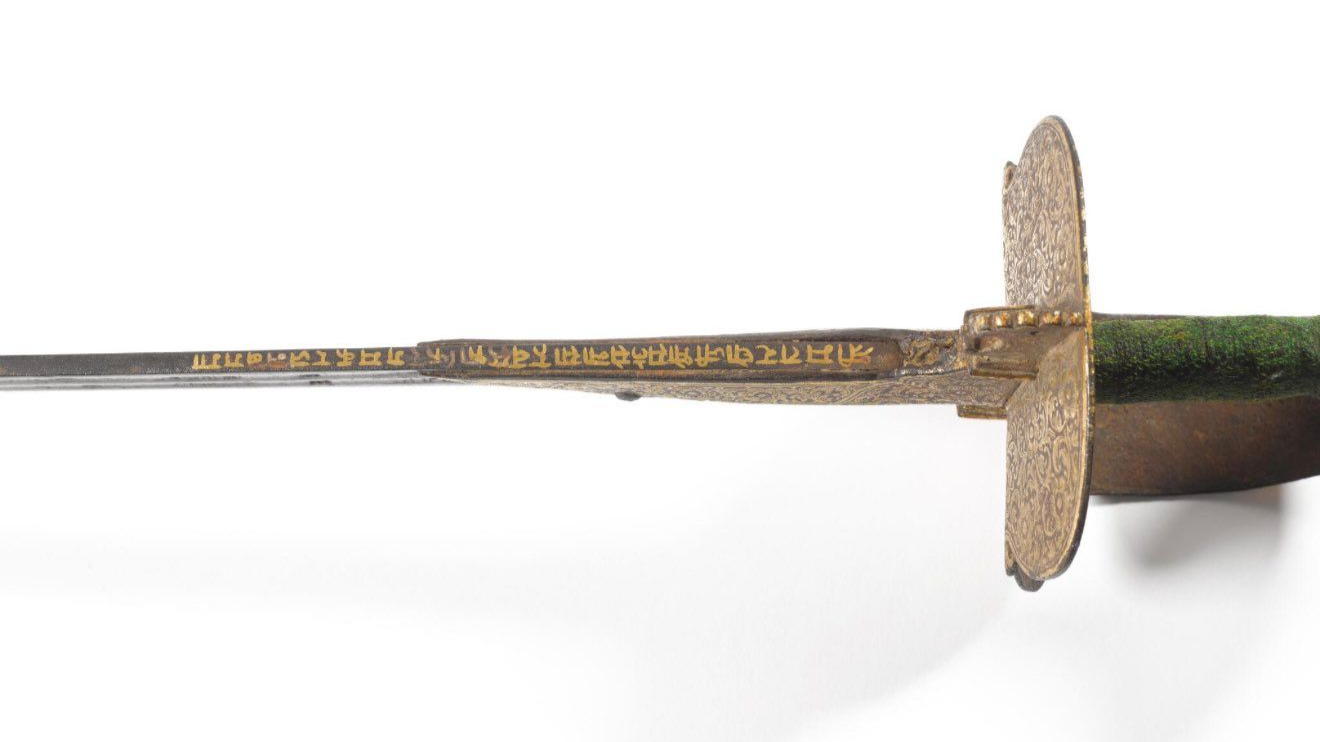
The Mahahtra government achieved a historical milestone by returning to India the historic sword of Raghuji Bhosale I during a Sotheby’s auction in London, which belonged to a notable 18th-century Maratha ruler. The state of Mahahtra achieves its first success in acquiring historical artifacts from international auctions. The bidding


Stay updated with The Hindu Editorial Vocab24 app, your definitive source for breaking news and comprehensive coverage from India and around the globe. Whether it's political developments, business updates, sports highlights, the latest technology trends, or current events, The Hindu brings live, accurate, and reliable news directly to your device.
Don’t fall for sensationalized or fake news shared online. Read and share accurate updates with friends and family through The Hindu Editorial Vocab24 app. Download it today!
News Coverage in The Hindu Editorial Vocab24 App
Breaking News: Receive instant notifications on breaking news stories as they unfold. Stay informed about major events and developments in India and around the world with live blogs, news in shorts videos, and concise articles.
Politics: Get the latest updates on Indian politics, including elections, policy changes, government decisions, and political events that shape the nation.
Business and Economy: Stay ahead in the economic landscape with detailed business news and market analysis. Learn about stock market trends, financial reports, corporate news, and economic developments to make informed investment decisions.
Current Events: Follow stories on social issues, policy changes, global events, and daily current affairs, tailored for UPSC and other competitive exam preparations.
Technology: Keep up with the latest gadgets, innovations, and tech trends. Read expert reviews and analyses in short, concise updates on cutting-edge technology from India and beyond.
Sports: Never miss a moment of your favorite sports. Get live scores, match reports, and expert analysis on cricket, football, tennis, and more.
International News: Stay informed about global events and geopolitical developments, including the Russia-Ukraine war, Israel-Palestine conflict, and other key international stories.
Local News: Stay connected to your community with the latest updates on city events, issues, and local news. Coverage includes hyperlocal updates from cities like Bangalore, Chennai, Delhi, Hyderabad, Mumbai, Kolkata, and more.
Trending Topics: Discover what's trending today with the most talked-about stories and hot topics across India and the world.
Experience journalism that values integrity, accuracy, and reliability. Download The Hindu Editorial Vocab24 app today and stay connected with the world.
Subscribe to our newsletter!