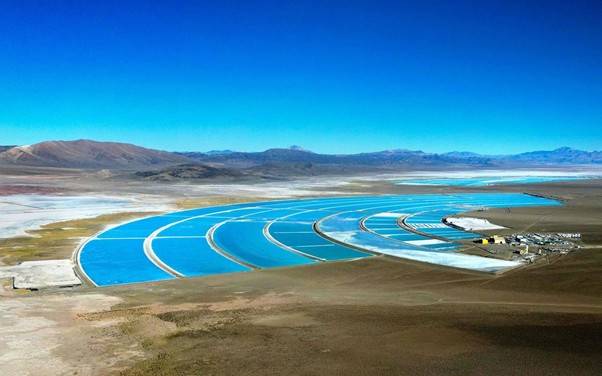
An exploration of India’s minerals diplomacy
Today, India’s clean energy transitions are impossible without imported critical minerals and rare earths. The country needs these minerals now, and China’s tightening export controls only heighten the urgency. Just like other countries around the world, India is also committing to diversify mineral trade linkages, promote responsible production and build standards-based markets.India needs a two-pronged strategy to build long-term capability at home while securing immediate access abroad. Realising this, over the past five years, New Delhi has pursued close to a dozen bilateral and multilateral partnerships across continents while bolstering domestic mineral policies. The question is about what these engagements have delivered to India and whether there is a need for recalibration.
The two sides to partnerships
Some partnerships have advanced more meaningfully than others. Australia emerges as reliable, offering political stability, large reserves and a strategic vision. Cooperation here is active with long-term supply discussions, joint research and targeted investments. In 2022 under the India-Australia Critical Minerals Investment Partnership, the two countries identified five target projects for potential investment in lithium and cobalt.
Japan provides a template for resilience, exemplifying an institutional model for long-term planning rather than reactive deals. When China restricted rare earth exports to Tokyo a decade ago, Japan responded with diversification, stockpiling, recycling and sustained research and development. Beyond its long-standing cooperation with Indian Rare Earths Limited, the partnership has now extended into potential joint extraction processing and stockpiling minerals, both bilaterally and in third countries, under a cooperation agreement last year.
African nations, given their long-standing trade linkages with India, offer similar opportunities, with mineral abundance paired with rising demands for local value creation. India’s recent agreements with Namibia for lithium, rare earths and uranium as well as asset-acquisition talks in Zambia for copper and cobalt reflect a growing push to turn towards Africa. India must approach Africa with a long-term industrial mindset or risk losing ground to more coordinated competitors.
Despite previous political enthusiasm around “friend-shoring”, cooperation on critical minerals has struggled to move beyond dialogue with the United States. Recent American tariffs on Indian goods, shifting trade rules and restrictive Inflation Reduction Act incentives complicate stable engagement. The volatility of the U.S.’s trade policy makes it hard for New Delhi to rely on Washington, even though the U.S. could be a significant technology and downstream innovation partner. The Transforming the Relationship Utilizing Strategic Technology (TRUST) Initiative and the Strategic Minerals Recovery Initiative propose frameworks for joint work on rare-earth processing, battery recycling and clean separation technologies.
The European Union (EU)’s Critical Raw Materials Act, the European Battery Alliance and its circular economy agenda show how regulation, sustainability and industrial strategy can reinforce each other. Progress requires India to align with the EU’s requirements on transparency, lifecycle standards and environmental norms.
West Asia holds potential but lacks institutional depth and long-term frameworks. The United Arab Emirates and Saudi Arabia are investing heavily in battery materials, refining capacity and green hydrogen, with sovereign wealth funds acquiring mining stakes across Africa and Latin America. For India, West Asia could become an important midstream partner, processing minerals sourced elsewhere.
Russia’s reserves of rare earths, cobalt and lithium are substantial, and scientific ties with India are longstanding. Yet, sanctions, financing challenges and logistical unpredictability constrain reliability. Russia could be an important hedge, not a foundation.
New frontiers
Latin America presents India’s new frontiers with expanded engagement in Argentina, Chile, Peru and, increasingly, Brazil. These countries are becoming central to global copper, nickel and rare-earth strategies. There have been substantial investments by public and private sector companies from India into projects in these regions. Khanij Bidesh India Limited (KABIL) has signed a ₹200 crore exploration and development agreement with Argentina. However, competition for Indian companies is intense, and engagement remains at an early stage. A lasting presence will require value-chain partnerships and local processing, not extraction-only agreements.
With the restoration of diplomatic ties with Canada recently, Ottawa emerges as an important player. With reserves of nickel, cobalt, copper and rare earths, and a recently signed trilateral agreement with Australia and India, Canada has potential to become a strong minerals partner. Yet, political stability between the two countries will be key.
Develop integrated partnerships
Across all regions, lessons converge. Securing ore is not enough. The choke point is processing. Without domestic refining and midstream capability, India remains exposed to supply chain vulnerabilities. Technology, innovation and on-ground project implementation matters far more than announcements. India must use its country-by-country approach to build resilience across the value-chain. Africa, Australia, Canada and Latin America for upstream ore extraction; West Asia (the Gulf) and Japan for midstream processing of the mineral ores; the EU and the U.S. for downstream technology creation such as batteries and recycling, and Russia for diversification.
While it is important for India to be also open to cooperation with additional partners, such as South Korea and Indonesia, it first needs to have a clear strategic vision for existing partnerships. None of this will deliver results unless India strengthens its domestic framework for responsible mining with issues such as Environmental, Social and Governance (ESG) and transparency increasingly becoming a key issue in international partnerships.
India has built an impressive web of critical minerals partnerships. The next step is to deepen what works, rethink what does not, and ensure technology, processing and long-term certainty.
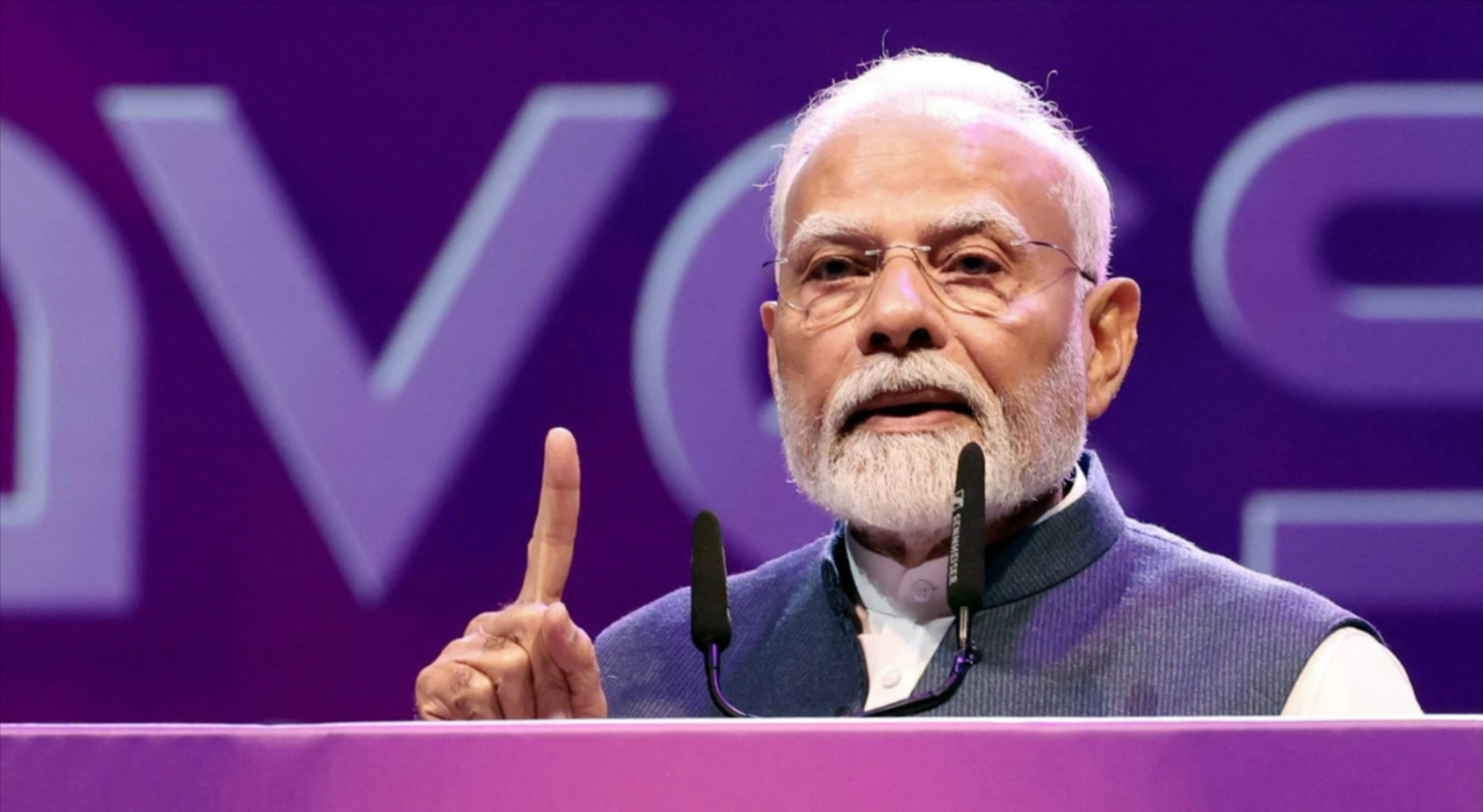
During the WAVES Summit in Mumbai, Prime Minister Narendra Modi underlined India's developing position in the global creative economic sector. During his opening address, India earned the description of an "orange economy" because cultural and creative sectors drive both financial growth and job creation. Rajnikanth and Mukesh Ambani joined
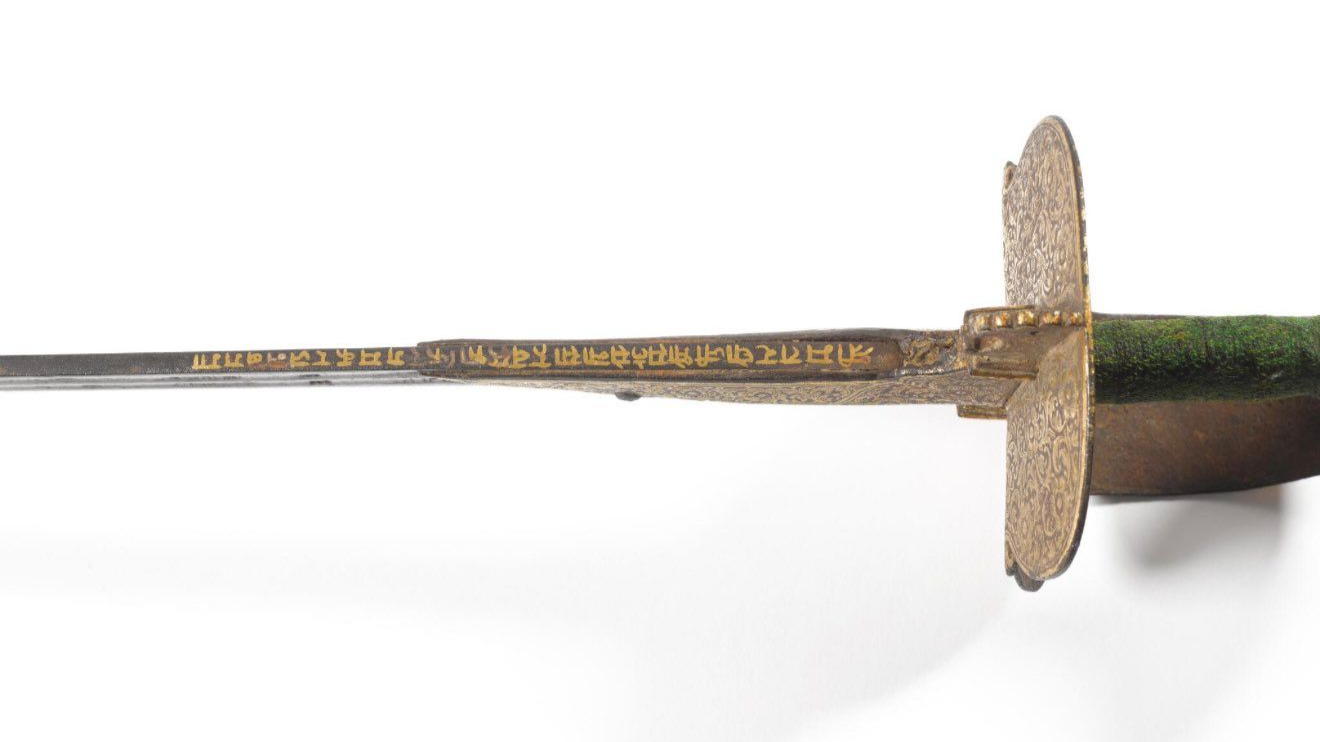
The Mahahtra government achieved a historical milestone by returning to India the historic sword of Raghuji Bhosale I during a Sotheby’s auction in London, which belonged to a notable 18th-century Maratha ruler. The state of Mahahtra achieves its first success in acquiring historical artifacts from international auctions. The bidding


Stay updated with The Hindu Editorial Vocab24 app, your definitive source for breaking news and comprehensive coverage from India and around the globe. Whether it's political developments, business updates, sports highlights, the latest technology trends, or current events, The Hindu brings live, accurate, and reliable news directly to your device.
Don’t fall for sensationalized or fake news shared online. Read and share accurate updates with friends and family through The Hindu Editorial Vocab24 app. Download it today!
News Coverage in The Hindu Editorial Vocab24 App
Breaking News: Receive instant notifications on breaking news stories as they unfold. Stay informed about major events and developments in India and around the world with live blogs, news in shorts videos, and concise articles.
Politics: Get the latest updates on Indian politics, including elections, policy changes, government decisions, and political events that shape the nation.
Business and Economy: Stay ahead in the economic landscape with detailed business news and market analysis. Learn about stock market trends, financial reports, corporate news, and economic developments to make informed investment decisions.
Current Events: Follow stories on social issues, policy changes, global events, and daily current affairs, tailored for UPSC and other competitive exam preparations.
Technology: Keep up with the latest gadgets, innovations, and tech trends. Read expert reviews and analyses in short, concise updates on cutting-edge technology from India and beyond.
Sports: Never miss a moment of your favorite sports. Get live scores, match reports, and expert analysis on cricket, football, tennis, and more.
International News: Stay informed about global events and geopolitical developments, including the Russia-Ukraine war, Israel-Palestine conflict, and other key international stories.
Local News: Stay connected to your community with the latest updates on city events, issues, and local news. Coverage includes hyperlocal updates from cities like Bangalore, Chennai, Delhi, Hyderabad, Mumbai, Kolkata, and more.
Trending Topics: Discover what's trending today with the most talked-about stories and hot topics across India and the world.
Experience journalism that values integrity, accuracy, and reliability. Download The Hindu Editorial Vocab24 app today and stay connected with the world.
Subscribe to our newsletter!