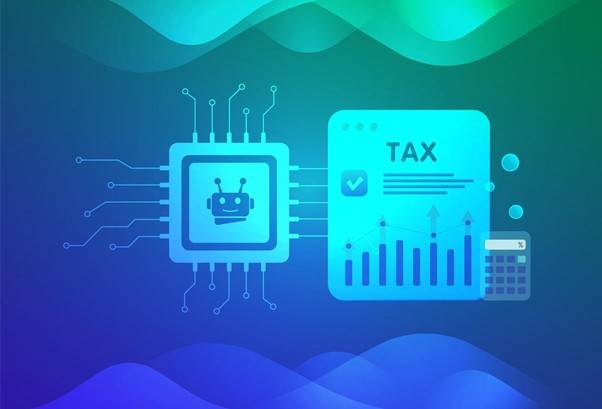
AI-powered tax governance in India and its challenges
A key tax policy challenge facing India has been the low tax-Gross Domestic Product (GDP) ratio and high levels of tax evasion. On average, during 2001-22, India’s tax-GDP ratio (16.36%) was the lowest among emerging and developing economies. India loses around 4.3% of tax revenues due to tax evasion annually. At the India AI Impact Summit (February 2026), global leaders and tech titans hailed India’s progress in utilising the power of Artificial Intelligence (AI) to solve real-world problems.One problem area where the application of AI is worth examining is tax revenue mobilisation and tax governance. In this context, India’s Income Tax Department (ITD)’s Project Insight (PI) initiative — aimed at leveraging AI and data analytics to strengthen tax administration and revenue mobilisation — warrants critical examination.
The benefits
Launched in 2017 and fully operational in 2019, the PI aims to encourage voluntary tax compliance, reduce high-risk cases of potential tax evasion, make tax enforcement fairer and equitable, and reduce prejudice in tax enforcement.
The PI has three components. The Income Tax Transaction Analysis Centre (INTRAC) is the analytical engine that utilises AI and advanced data analytics to process financial data from multiple sources, including banking and financial institutions, property and securities transactions, credit card and GST payments, and high-value purchases, to generate a 360-degree taxpayer financial profile.
Such information helps the ITD detect inconsistencies between taxpayers’ declared income and their actual financial activities. The Compliance Management Centralized Processing Centre ensures behavioural compliance using information from the INTRAC. It nudges taxpayers who have filed incorrect tax returns to file correct returns using the Non-intrusive Usage of Data to Guide and Enable (NUDGE) strategy, which involves sending SMS or email reminders to the person pay taxes that match their actual economic activities. Taxpayers can either submit a revised tax return or stand by the initial returns they filed. Deploying AI in tax administration has several benefits. First, it can assist tax agencies in accurately assessing taxpayers’ risk profiles and identifying tax evasion. Second, it enables tax administrators to prioritise tax evasion cases based on the size and sophistication of evasion. Third, AI can automate routine tax administration tasks, freeing tax administrators to focus on those that require greater human judgment. Fourth, AI can enhance taxpayer services by assisting taxpayers with filing correct tax returns, answering queries through smart chatbots, and preventing tax scams.
Outcome of PI initiative, concerns and risks
The PI is beginning to show the results. After receiving nudges, many taxpayers utilised the ITD’s updated-return feature to make voluntary changes to their original tax returns. Since 2020-21, over one crore revised returns have been filed, resulting in an additional ₹11,000 crore in taxes. Out of the 19,501 taxpayers contacted by the ITD as part of a targeted Foreign Income and Assets NUDGE campaign, 62% of them corrected the information originally reported in their tax returns. Also, 30,161 tax filers declared overseas assets totalling ₹29,208 crore and foreign income of ₹1,089 crore from cryptocurrencies or virtual digital assets.
The NUDGE campaign covering 6.25 lakh taxpayers resulted in corrections of false claims for income-tax deductions amounting to ₹963 crore for political donations, and the payment of additional taxes to the tune of ₹410 crore. The average time taken to process a tax refund has decreased from 93 to 17 days. Recently, using big data analysis and AI tools, the ITD discovered that restaurants across India had suppressed sales turnover of ₹70,000 crore since 2019-20 using sophisticated methods such as selective deletion of cash invoices, post-billing modifications, wiping of sales data, and manipulation of bill value.
Many advanced countries, such as Australia, Italy, the United Kingdom and the United States have successfully implemented AI-enabled platforms modelled on the PI and have generated additional revenue.
As India transitions to algorithmic tax governance, several operational, ethical, and legal issues require serious attention.
The first is about data provenance and quality. AI systems such as the PI are only as good as the data they are trained on. They could identify outliers, but cannot always distinguish evasion from legitimate complexity. Data on variable-income professionals using prior savings, clerical errors, or joint family financial structures can trigger false positives. Without accessible human review, taxpayers must prove the legitimacy of flagged patterns.
The second is on the algorithmic bias. AI models trained on historical enforcement data can unintentionally duplicate existing socio-economic or geographic biases, identifying tax fraud more often in some taxpayer or geographic areas than others, as demonstrated by the Dutch childcare benefits scandal.
The third is on the issue of explainability and due process. For an AI-based tax compliance system to be legitimate, taxpayers need to know why they were identified, how their information is used, how the system arrives at its decisions, and have a clear, easy way to challenge decisions. There must be a human-in-the-loop evaluation for any decision with serious consequences for taxpayers.
The fourth is about the concerns over data privacy and security. Accessing sensitive financial and personal information about taxpayers creates a big attack surface for potential exploitation.
There is no ombudsman
Finally, India lacks an AI ombudsperson to review contested decisions, a requirement for algorithmic impact assessments and public reporting of false-positive and appeal-success rates, and external audits of risk-scoring models.
Without such strong AI governance guardrails outlined above, the PI might turn into a hidden surveillance system that compromises accountability and tax system fairness, making taxpayers less trusting and more resistant. India must make a clear choice: to pursue a modern tax intelligence system that is both ethical and effective.
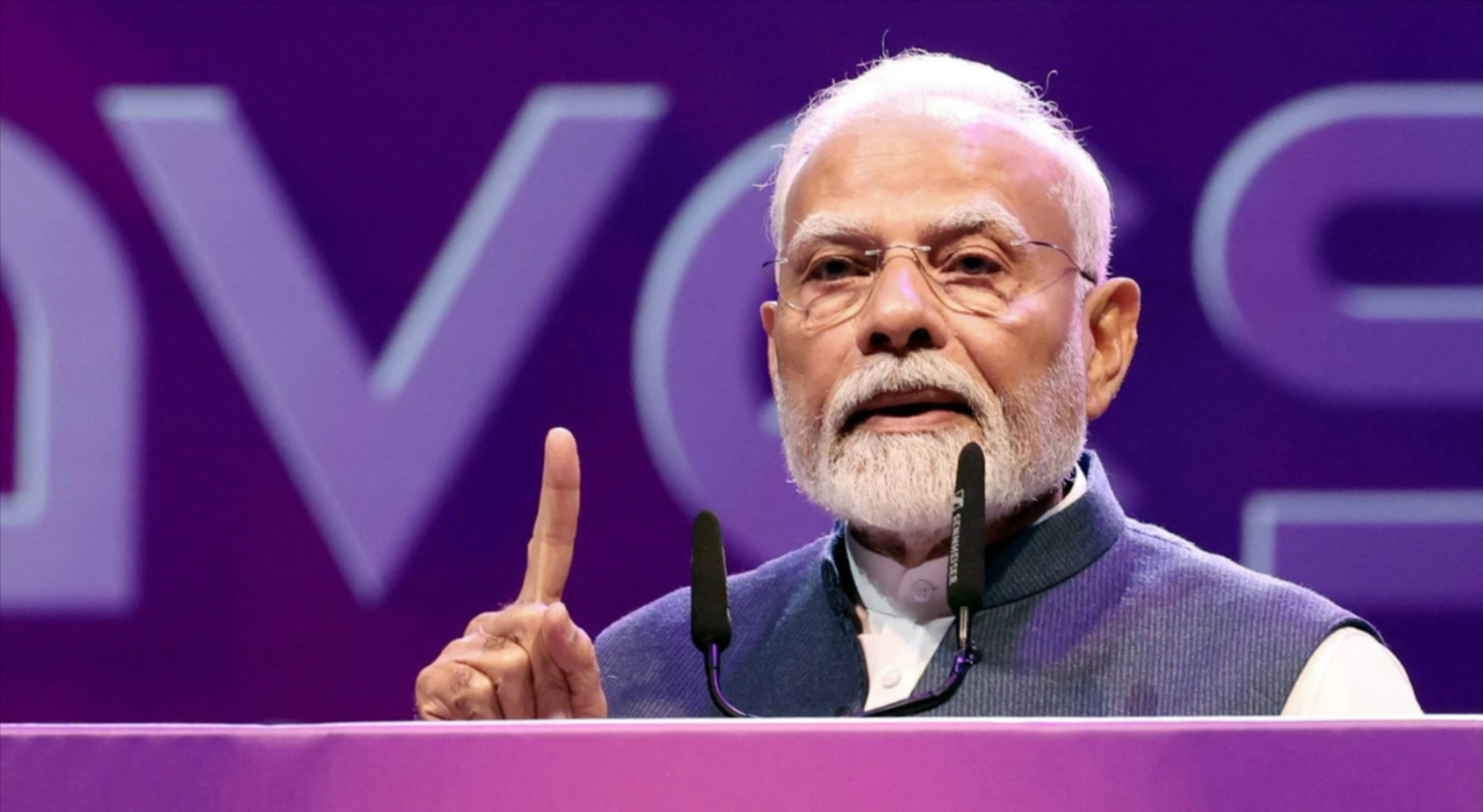
During the WAVES Summit in Mumbai, Prime Minister Narendra Modi underlined India's developing position in the global creative economic sector. During his opening address, India earned the description of an "orange economy" because cultural and creative sectors drive both financial growth and job creation. Rajnikanth and Mukesh Ambani joined

The Mahahtra government achieved a historical milestone by returning to India the historic sword of Raghuji Bhosale I during a Sotheby’s auction in London, which belonged to a notable 18th-century Maratha ruler. The state of Mahahtra achieves its first success in acquiring historical artifacts from international auctions. The bidding


Stay updated with The Hindu Editorial Vocab24 app, your definitive source for breaking news and comprehensive coverage from India and around the globe. Whether it's political developments, business updates, sports highlights, the latest technology trends, or current events, The Hindu brings live, accurate, and reliable news directly to your device.
Don’t fall for sensationalized or fake news shared online. Read and share accurate updates with friends and family through The Hindu Editorial Vocab24 app. Download it today!
News Coverage in The Hindu Editorial Vocab24 App
Breaking News: Receive instant notifications on breaking news stories as they unfold. Stay informed about major events and developments in India and around the world with live blogs, news in shorts videos, and concise articles.
Politics: Get the latest updates on Indian politics, including elections, policy changes, government decisions, and political events that shape the nation.
Business and Economy: Stay ahead in the economic landscape with detailed business news and market analysis. Learn about stock market trends, financial reports, corporate news, and economic developments to make informed investment decisions.
Current Events: Follow stories on social issues, policy changes, global events, and daily current affairs, tailored for UPSC and other competitive exam preparations.
Technology: Keep up with the latest gadgets, innovations, and tech trends. Read expert reviews and analyses in short, concise updates on cutting-edge technology from India and beyond.
Sports: Never miss a moment of your favorite sports. Get live scores, match reports, and expert analysis on cricket, football, tennis, and more.
International News: Stay informed about global events and geopolitical developments, including the Russia-Ukraine war, Israel-Palestine conflict, and other key international stories.
Local News: Stay connected to your community with the latest updates on city events, issues, and local news. Coverage includes hyperlocal updates from cities like Bangalore, Chennai, Delhi, Hyderabad, Mumbai, Kolkata, and more.
Trending Topics: Discover what's trending today with the most talked-about stories and hot topics across India and the world.
Experience journalism that values integrity, accuracy, and reliability. Download The Hindu Editorial Vocab24 app today and stay connected with the world.
Subscribe to our newsletter!