

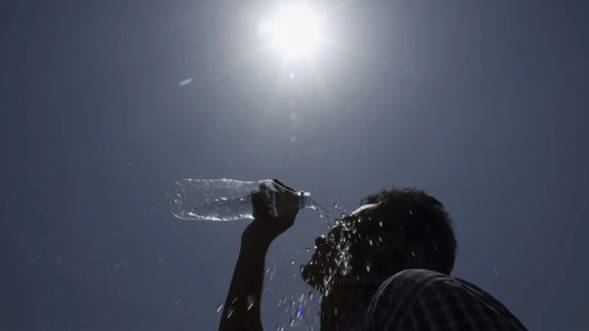
Why men are at higher risk of heatstroke deaths in India: Experts explain NCRB data
Is one gender affected more by the sun or heatstroke? If the latest National Crime Records Bureau (NCRB)’s ADSI (Accidental Deaths and Suicides in India) report, published May 2026, which details statistics on unnatural deaths, accidents, and suicides nationwide, based on police reports, is to go by, out of 7,903 accidental deaths attributable to forces of nature, 23.2 per cent or 1,832 deaths were due to ‘Heat/Sun Stroke’ and 10.5 per cent deaths due to ‘Exposure to cold’.Notably, heatstroke deaths have risen amid heatwaves and extreme temperatures. The May 2026 report noted that in the 30-44 age group, 525 men died due to heatstroke, while the toll among those aged 45-59 was even higher at 577. However, female fatalities in the same age brackets were notably lower.
To verify if men are much more susceptible to heat strokes, we turned to experts.
Men may have a higher susceptibility to heatstroke due to a mix of physiological, behavioral, and occupational factors, said Dr Manjusha Agarwal, consultant, internal medicine, Gleneagles Hospital, Mumbai. “Men have higher muscle mass and basal metabolic rate, leading to greater heat production during physical activity. Although they sweat more, this is not always protective, especially in humid environments where sweat cannot evaporate effectively. Women, on the other hand, may have relatively better cutaneous vasodilation, allowing more efficient heat dissipation . Hence, men can suffer from heatstroke,” said Dr Agarwal.
Hormonal factors also contribute, with estrogen offering some protective effect on thermoregulation. Behaviorally, men are more likely to perform strenuous outdoor work or exercise in extreme heat, added Dr Agarwal.
Dr Sundar Krishnan, senior consultant, internal medicine, KIMS Hospitals, Thane, concurred and noted that a large number of outdoor workers in construction, transport, delivery services, factories, agriculture, and manual labour roles are men, which increases their prolonged exposure to high temperatures and dehydration. “Continuous physical activity under direct sunlight significantly raises the body’s internal heat load,” said Dr Sundar.
heat stroke Here’s what the data says (ADSI report)
Historically, Dr Sundar noted that men have shown “higher rates of exertional heatstroke”, particularly during physically demanding work, military training, and sports. “However, experts believe this is influenced not only by biology but also by behavioural patterns and workplace culture. Men may be more likely to continue working despite exhaustion or avoid reporting symptoms early. At the same time, it is important to understand that heatstroke risk is highly situational. Women, especially elderly women, can be more vulnerable during passive heat exposure such as prolonged heatwaves, particularly due to age-related physiological changes and social factors that may limit access to cooling,” elucidated Dr Sundar.
There are several contributing factors beyond outdoor exposure. Dr Sundar noted that men are generally more likely to delay hydration, ignore early symptoms, or continue strenuous activity despite feeling unwell. “Many dismiss warning signs like dizziness, muscle cramps, fatigue, or headaches as routine tiredness. This delay can allow heat exhaustion to progress into heatstroke, which is a medical emergency.”
Traditional “push through it” attitudes during physically demanding work or sports can also increase the risk. In many cases, individuals continue exertion despite dehydration or overheating, which places severe stress on the body’s cooling system.
On the other hand, during prolonged heatwaves, women, particularly older women, may also face increased vulnerability due to reduced heat tolerance with ageing, lower cardiovascular reserve, and environmental or social factors that make cooling more difficult.
Can lifestyle habits increase the risk further?
Absolutely, affirmed Dr Sundar, adding that alcohol intake, smoking, high caffeine consumption, poor sleep, and inadequate water intake can worsen dehydration. “Outdoor workouts, sports activities, and gym sessions during peak afternoon heat can also place extra strain on the body. Many people underestimate how quickly fluid and electrolyte imbalance can develop in extreme weather.”
Skipping meals, crash dieting, excessive protein supplementation without adequate hydration, and lack of heat acclimatization can also impair the body’s ability to cope with rising temperatures. “Individuals with obesity, diabetes, hypertension, heart disease, or those taking certain medications may face an even higher risk,” Dr Sundar mentioned.
What are the early signs of heatstroke that people should not ignore?
Persistent weakness, excessive sweating, nausea, dizziness, headache, muscle cramps, rapid heartbeat, confusion, or fainting are important warning signs. In severe cases, the body temperature rises sharply, and the person may become disoriented, stop sweating, develop seizures, or become unconscious. “Immediate cooling and urgent medical attention are critical at that stage,” shared Dr Sundar.
People should not treat these symptoms as “normal summer fatigue,” especially during ongoing heatwaves or periods of strenuous outdoor activity. Early intervention can prevent serious complications affecting the brain, kidneys, muscles, and heart.
How can people reduce the risk during extreme summer conditions?
Regular hydration is key, even before thirst develops. “People working outdoors should take frequent cooling breaks, avoid direct sun exposure during peak afternoon hours, wear loose and breathable clothing, and replenish electrolytes during prolonged sweating. Heat-related symptoms should never be ignored.”
Outdoor exercise should ideally be shifted to early morning or evening hours. “Proper sleep, balanced nutrition, limiting alcohol intake, and gradual heat acclimatisation are equally important. Elderly individuals, children, people with chronic illnesses, and those living in poorly ventilated environments should be monitored more carefully during heatwaves,” elaborated Dr Sundar.
Overall, heatstroke risk is not determined by gender alone. The combination of environmental exposure, physical exertion, hydration status, fitness, age, medical conditions, and behavioural habits ultimately determines vulnerability.
DISCLAIMER: This article is based on information from the public domain and/or the experts we spoke to. Always consult your health practitioner before starting any routine.
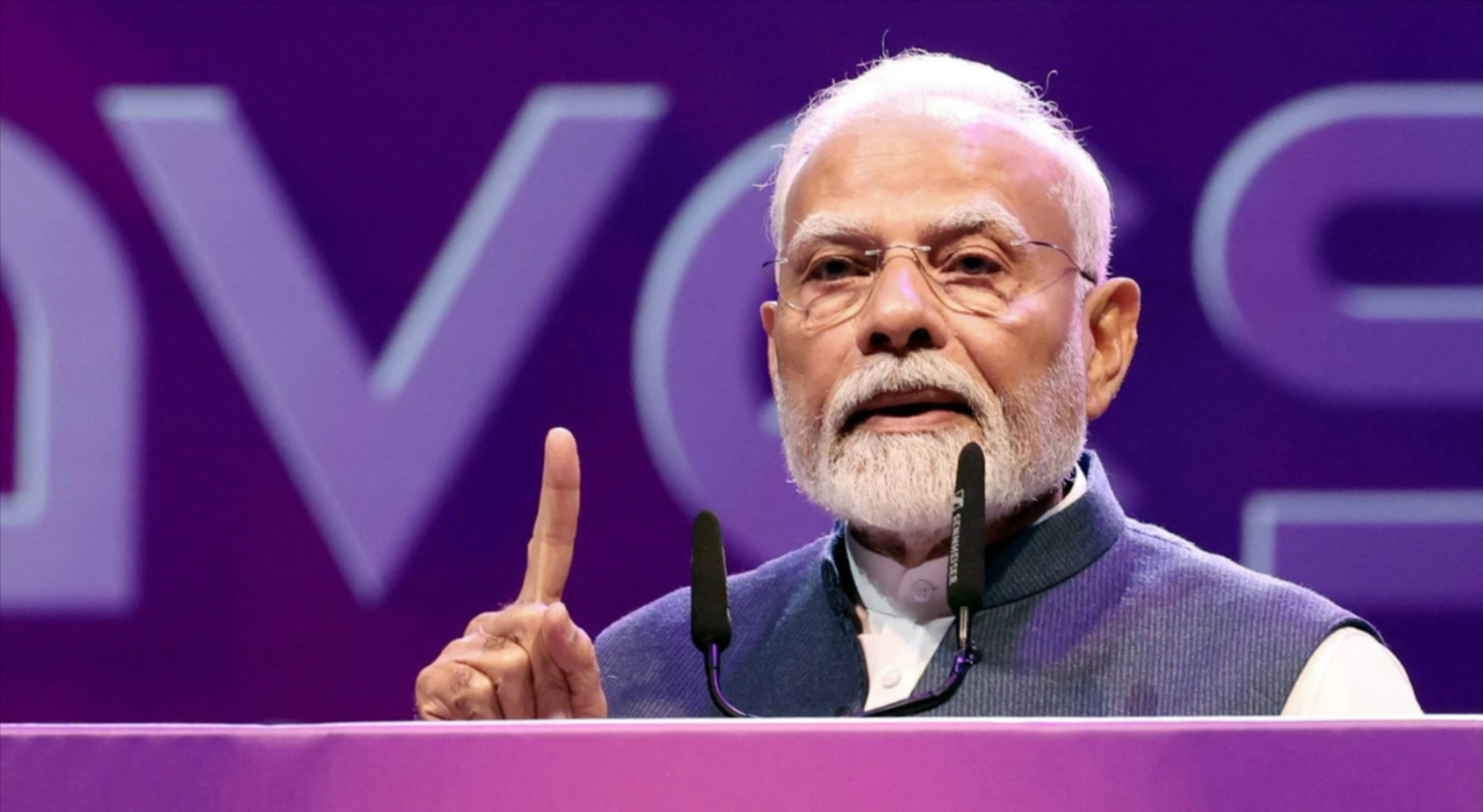
During the WAVES Summit in Mumbai, Prime Minister Narendra Modi underlined India's developing position in the global creative economic sector. During his opening address, India earned the description of an "orange economy" because cultural and creative sectors drive both financial growth and job creation. Rajnikanth and Mukesh Ambani joined
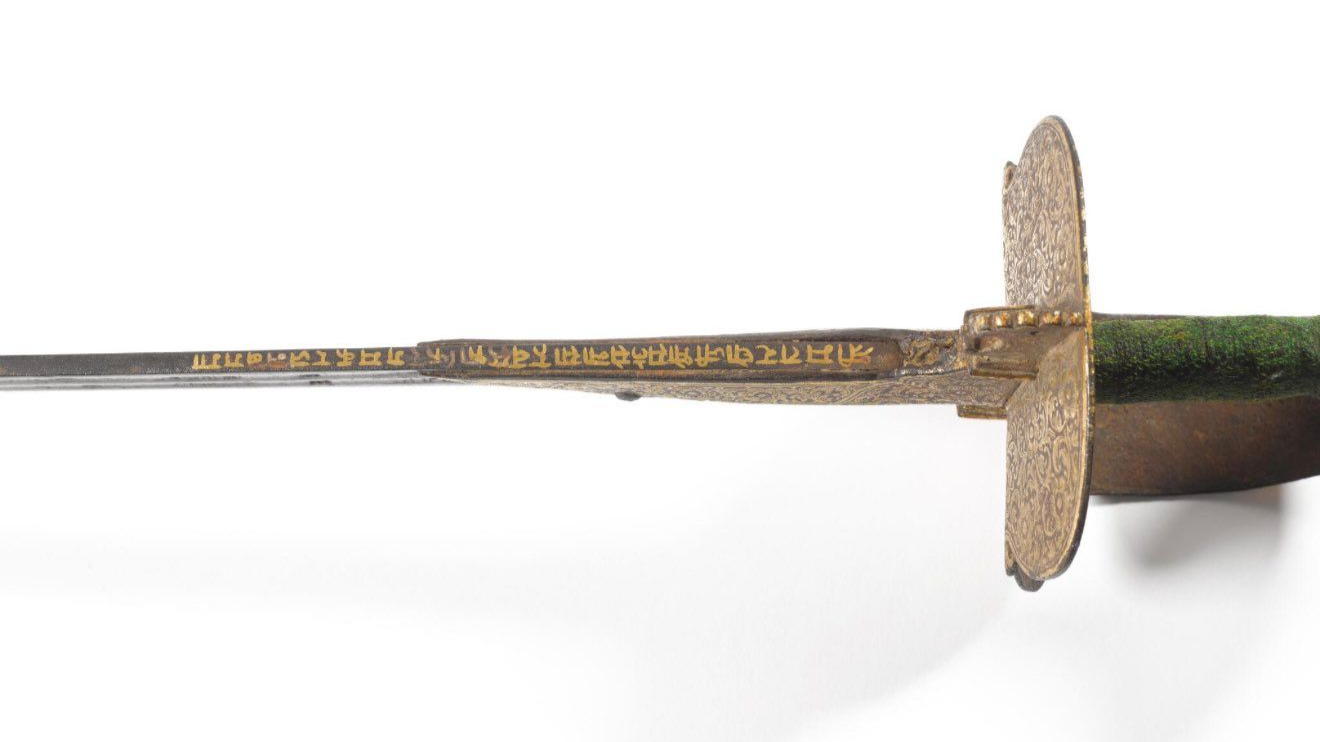
The Mahahtra government achieved a historical milestone by returning to India the historic sword of Raghuji Bhosale I during a Sotheby’s auction in London, which belonged to a notable 18th-century Maratha ruler. The state of Mahahtra achieves its first success in acquiring historical artifacts from international auctions. The bidding





Stay updated with The Hindu Editorial Vocab24 app, your definitive source for breaking news and comprehensive coverage from India and around the globe. Whether it's political developments, business updates, sports highlights, the latest technology trends, or current events, The Hindu brings live, accurate, and reliable news directly to your device.
Don’t fall for sensationalized or fake news shared online. Read and share accurate updates with friends and family through The Hindu Editorial Vocab24 app. Download it today!
News Coverage in The Hindu Editorial Vocab24 App
Breaking News: Receive instant notifications on breaking news stories as they unfold. Stay informed about major events and developments in India and around the world with live blogs, news in shorts videos, and concise articles.
Politics: Get the latest updates on Indian politics, including elections, policy changes, government decisions, and political events that shape the nation.
Business and Economy: Stay ahead in the economic landscape with detailed business news and market analysis. Learn about stock market trends, financial reports, corporate news, and economic developments to make informed investment decisions.
Current Events: Follow stories on social issues, policy changes, global events, and daily current affairs, tailored for UPSC and other competitive exam preparations.
Technology: Keep up with the latest gadgets, innovations, and tech trends. Read expert reviews and analyses in short, concise updates on cutting-edge technology from India and beyond.
Sports: Never miss a moment of your favorite sports. Get live scores, match reports, and expert analysis on cricket, football, tennis, and more.
International News: Stay informed about global events and geopolitical developments, including the Russia-Ukraine war, Israel-Palestine conflict, and other key international stories.
Local News: Stay connected to your community with the latest updates on city events, issues, and local news. Coverage includes hyperlocal updates from cities like Bangalore, Chennai, Delhi, Hyderabad, Mumbai, Kolkata, and more.
Trending Topics: Discover what's trending today with the most talked-about stories and hot topics across India and the world.
Experience journalism that values integrity, accuracy, and reliability. Download The Hindu Editorial Vocab24 app today and stay connected with the world.
Subscribe to our newsletter!







