

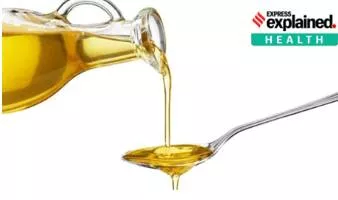
Which oils to use and how much do’’s and don’ts of consuming fats
Physicians often do not give patients specific advice on edible oils. Sometimes, casual advice is given: “Do not take fried foods.” So a patient might think gleefully, “Well, that does not include putting a lot of butter on bread or plenty of ghee in daal or on rotis!” They might rationalise: how much harm can this ‘little’ amount do? And maybe present anecdotal evidence: “My grandfather used to take 100 g of ghee and butter daily and lived to be 95!.I explain to these patients that longevity is a function of a balanced lifestyle, of which diet is only one component. “Your grandfather must have walked 10-15 km daily and eaten plenty of vegetables, fruits and fibre-containing food,” I tell them. “If you consume the same amount of fat, it will burn your liver and heart very soon, given your lifestyle of little physical activity and uncontrolled diet.”
The quantity and quality of oils
What oils to consume, and how much, are both important.
On quantity, there is relatively less debate: about 3-4 teaspoons should be consumed daily, including the oil used in cooking. An entirely oil-free diet will do harm in the long run, since essential fatty acids in oils are required by the body. And beware, even if a particular diet is touted to be “zero cholesterol”, it is likely to contain toxic ingredients within.
Buy now at Freedom Sale prices
On quality, researchers and scientists are less united in their opinion; however, some scientific facts have emerged over the past three decades. Remarkable studies done by my colleagues from AIIMS, researching in the USA in the 1980s, showed that one component of fats, monounsaturated fat (oleic acid), when consumed instead of other fats, was highly effective in reducing blood fats and medication in patients with diabetes.
While this type of fat is abundant in olive oil and canola oil, we in India have used a similar oil, mustard, for centuries. Other rich sources of monounsaturated fat are avocados, pistachios, walnuts, almonds and sesame.
The astounding success of Mediterranean diets in improving almost all health parameters besides improving the condition of diabetics, averting heart disease, and increasing lifespan, could be due to the use of olive oil among other healthy food — nuts, which are rich in monounsaturated fats, and vegetables.
The second type of ‘good’ fat is polyunsaturated fat — one example is omega-3 fatty acids, of which fish are a rich source. However, many Indians do not eat fish; and fish is often not easily available in several parts of the country, and could be contaminated, for example with mercury.
In general, levels of these fats are low in the blood of Indians, impacting blood fat levels and heart health adversely. Unfortunately, there are not many vegetarian sources of these good fats — walnuts, mustard oil, soybean, sesame, peanuts, canola oil, flaxseeds, chia seeds contain relatively small amounts of omega-3 fatty acids.
Ghee and coconut oil
The intake of saturated fats carries an extremely high risk of arterial clogging and heart attacks, even though some recent opinions vary. A particularly adverse component of saturated fats is palmitic acids, a major component of palm oil and dairy ghee, which could, besides acutely increasing the risk of heart disease, also lead to the growth of cancer cells.
Taking even one meal full of saturated fat could lead to an explosive break of fats deposited in arteries (“plaque rupture”), which can stop the precious flow of blood to the brain, heart, or anywhere else in the body within seconds. Unfortunately — contrary to our traditional belief that it is good for strength and the heart and lubricates joints, and our emotional attachment to it — dairy ghee is replete with saturated fats (60%-80%) and palmitic acid.
There aren’t too many robust scientific studies on ghee, but one study shows that a daily intake of even 1-2 teaspoons can increase the risk of heart attack more than tenfold. There are animal studies showing that ghee increases the risk of kidney damage and lung cancer as well. A few studies that point to the good effects of ghee on memory, weight, etc., are small and scientifically lightweight.
Coconut oil, which is widely used in the southern states, too is rich in saturated fats and palmitic acids. It has been found to raise bad blood cholesterol (LDL), the prime determinant of artery blockages, in six out of seven good studies done till date. It appears that many people do not believe that coconut oil does any harm to the body, basing their opinion mostly on small and poorly executed studies with poor scientific validity.
Bhujias and chips that are widely available in India are made in saturated fat-laden palm oil. Interestingly, similar snacks and munchies manufactured by the same multinational companies for markets such as the United States, are often made with healthier oils. All saturated fats get deposited in the liver, causing its shrinkage (fibrosis and cirrhosis), something we have seen increasingly. We need better and more robust research data — and until then, we should decrease the intake of these oils.
The worst of the lot: trans fats
One up on saturated fat for increasing heart and liver risks are trans fatty acids, which are abundant in vegetable ghee — vanaspati and similar oils. (Vanaspati ghee is partially hydrogenated vegetable oil made from vegetable sources; it is different from dairy ghee.)
High amounts of trans fatty acids (which make up 30%-40% of some oils) are highly injurious to the heart, liver, pancreas, and blood arteries. Indeed, this is the most damaging component of oil. Our research shows that if you reheat foods at high temperatures in any oil, the levels of trans fatty acids increase by 100%-200%. These cooking practices are common in Indian households, and are uniformly adopted by street vendors and most food establishments.
So, how do you stay healthy? You should keep your eyes open, and scan nutrition labels for the quantity of saturated fats, palm oil, and trans fatty acids. You should consume more fresh fruit and vegetables, and use limited quantities of healthy oils in rotation and in combination. You should try not to reuse and reheat any oil.
In the polluted atmosphere that we live in, you certainly deserve one less poison.












Stay updated with The Hindu Editorial Vocab24 app, your definitive source for breaking news and comprehensive coverage from India and around the globe. Whether it's political developments, business updates, sports highlights, the latest technology trends, or current events, The Hindu brings live, accurate, and reliable news directly to your device.
Don’t fall for sensationalized or fake news shared online. Read and share accurate updates with friends and family through The Hindu Editorial Vocab24 app. Download it today!
News Coverage in The Hindu Editorial Vocab24 App
Breaking News: Receive instant notifications on breaking news stories as they unfold. Stay informed about major events and developments in India and around the world with live blogs, news in shorts videos, and concise articles.
Politics: Get the latest updates on Indian politics, including elections, policy changes, government decisions, and political events that shape the nation.
Business and Economy: Stay ahead in the economic landscape with detailed business news and market analysis. Learn about stock market trends, financial reports, corporate news, and economic developments to make informed investment decisions.
Current Events: Follow stories on social issues, policy changes, global events, and daily current affairs, tailored for UPSC and other competitive exam preparations.
Technology: Keep up with the latest gadgets, innovations, and tech trends. Read expert reviews and analyses in short, concise updates on cutting-edge technology from India and beyond.
Sports: Never miss a moment of your favorite sports. Get live scores, match reports, and expert analysis on cricket, football, tennis, and more.
International News: Stay informed about global events and geopolitical developments, including the Russia-Ukraine war, Israel-Palestine conflict, and other key international stories.
Local News: Stay connected to your community with the latest updates on city events, issues, and local news. Coverage includes hyperlocal updates from cities like Bangalore, Chennai, Delhi, Hyderabad, Mumbai, Kolkata, and more.
Trending Topics: Discover what's trending today with the most talked-about stories and hot topics across India and the world.
Experience journalism that values integrity, accuracy, and reliability. Download The Hindu Editorial Vocab24 app today and stay connected with the world.
Subscribe to our newsletter!







