

What the good guys need to know about #metoo — yes it’s you too
A revolution is not a runaway train, the philosopher Walter Benjamin famously observed, it is the emergency brake. It is the status quo that is painful, daily life is the crisis.After Raya Sarkar’s list of sexual harassers in academia last year, and a long uncomfortable silence, the MeToo movement has exploded in India. Through the last week, women across journalism and the creative industries have been outing their oppressors on social media, demanding accountability. They have been pouring out their pain, finding community and strength in each other.
Indian media can no longer pretend that sexual predation is out there in Hollywood, or that it’s a rare or remarkable occurrence. It’s in here, and it implicates us intimately — our friends, families, colleagues, ourselves.
Innocent in their power, most men just don’t seem to get what this is about. Some are actively hostile, others are wary of misuse and reckless smears, many are just confused about this abrupt uprising, and how to behave now. “Beware! Today’s ‘sweetu’ may be tomorrow’s ‘MeToo’,” warned a WhatsApp forward on my husband’s school group. In another cartoon, an older woman tells her boss: “All the other women in the office are suing you for sexual harassment. Since you haven’t sexually harassed me, I’m suing you for discrimination.”
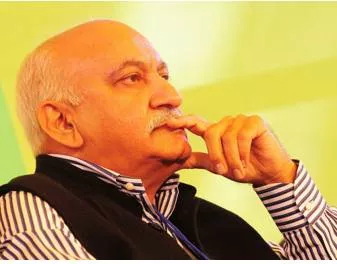
Even the nice men, who are sympathetic on behalf of their friends and wives and daughters, seem to be missing something basic. MeToo is not about MJ Akbar or Nana Patekar or other powerful men who are now in trouble; it is about questioning a culture marinated in male sexual entitlement, and the inequality that undergirds it. If this feels destabilising, it’s because it is — it’s about changing what’s normal.
Ask yourself honestly — in a sexual harassment story, who is real and vivid to you? The man who pressed himself on an unwilling woman, or the woman who felt violated by it? In the wider reaction to MeToo, the main concern is about potential false accusations rather than the tsunami of urgent testimony. Our attention swivels to the man, we empathise with his humiliation, we want to hear his side, protect him with “due process”. Women have such a credibility deficit that it takes several of them to testify before we even consider an accusation serious.
This reflex, of caring more for a man’s reputation than a woman’s trauma, what the philosopher Kate Manne calls “himpathy”, is implanted by patriarchy, and both men and women hear it in their heads. Look at how so many women are quick to feel for those being shamed, making sure we are scrupulously correct, wondering if we overstepped, policing each other, expressing concern for the wives of these predators. Meanwhile, far fewer men have jumped to express solicitude about the women who have been injured. This injustice is drilled deep in our institutions, our homes and workplaces. It is not about men being bad by default or women always being victims; it’s about the structures of domination that let one impose their sexual will on another human being. Men have more power, and therefore more opportunity to abuse that power. If you push your tongue down someone’s throat, or touch them, or persist despite their lack of interest, you simply don’t care what they want. Romance would be reciprocal; this is just sexual entitlement.
But even well-meaning men see MeToo as a purely technical matter of nailing dangerous predators, a few bad apples in an organisation. Women know it’s a continuum of danger, from loutishness to rape, and other forms of denial that render us merely service providers and accessories to men. Nobody needs to explain nuance, the difference between misguided flirting and active intrusion, we know it. But you don’t know the extent to which we are harmed by a system that serves you.
Men simply don’t have access to women’s realities. How can you? For thousands of years, we’ve lived with a shoddy transaction where men have resources and power, and women provide sexual and domestic services. It’s only in the last century and a bit that women have been pushing back, asserting the idea that they are equal, full humans, not your “better half”. You still get paid more, you own the assets. You dominate the state, legislatures and courts and police. You run most businesses and religious institutions. You shape the news, you make the movies and pop songs, you give the women their speaking lines, which misinform the world that no means yes.
No wonder you don’t relate to our common experience, our struggles. You know women mainly as small fry in your workplace, for you to benevolently mentor, overlook, or exploit. You can’t really imagine us as peers, you don’t know what it is to exist alongside as equals. So, good men, MeToo doesn’t need you to feel saddened, it needs you to hack away at these arrangements. Patriarchy isn’t so great for you either. Masculinity maims you too, it forces you to suppress your full self, stunts your emotional expression. It condemns you to enact dominance, crush vulnerability in yourself and in others. It makes you brittle, and weak in a different way.
MeToo is a call to shrug off those gendered straitjackets. Equality would make workplaces better, it would make love and sex better, and it would make our public sphere and our homes better. Go on, change.











Stay updated with The Hindu Editorial Vocab24 app, your definitive source for breaking news and comprehensive coverage from India and around the globe. Whether it's political developments, business updates, sports highlights, the latest technology trends, or current events, The Hindu brings live, accurate, and reliable news directly to your device.
Don’t fall for sensationalized or fake news shared online. Read and share accurate updates with friends and family through The Hindu Editorial Vocab24 app. Download it today!
News Coverage in The Hindu Editorial Vocab24 App
Breaking News: Receive instant notifications on breaking news stories as they unfold. Stay informed about major events and developments in India and around the world with live blogs, news in shorts videos, and concise articles.
Politics: Get the latest updates on Indian politics, including elections, policy changes, government decisions, and political events that shape the nation.
Business and Economy: Stay ahead in the economic landscape with detailed business news and market analysis. Learn about stock market trends, financial reports, corporate news, and economic developments to make informed investment decisions.
Current Events: Follow stories on social issues, policy changes, global events, and daily current affairs, tailored for UPSC and other competitive exam preparations.
Technology: Keep up with the latest gadgets, innovations, and tech trends. Read expert reviews and analyses in short, concise updates on cutting-edge technology from India and beyond.
Sports: Never miss a moment of your favorite sports. Get live scores, match reports, and expert analysis on cricket, football, tennis, and more.
International News: Stay informed about global events and geopolitical developments, including the Russia-Ukraine war, Israel-Palestine conflict, and other key international stories.
Local News: Stay connected to your community with the latest updates on city events, issues, and local news. Coverage includes hyperlocal updates from cities like Bangalore, Chennai, Delhi, Hyderabad, Mumbai, Kolkata, and more.
Trending Topics: Discover what's trending today with the most talked-about stories and hot topics across India and the world.
Experience journalism that values integrity, accuracy, and reliability. Download The Hindu Editorial Vocab24 app today and stay connected with the world.
Subscribe to our newsletter!







