

Ukraine war what's the effect of russian oil price cap ban
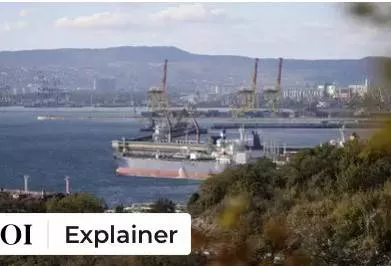
FRANKFURT: Western governments are aiming to cap the price of Russia's oil exports in an attempt to limit the fossil fuel earnings that support Moscow's budget, its military and the invasion of Ukraine. The cap is set to take effect on December 5, the same day the European Union will impose a boycott on most Russian oil — its crude that is shipped by sea. The EU was still negotiating what the price ceiling should be. The twin measures could have an uncertain effect on the price of oil as worries over lost supply through the boycott compete with fears about lower demand from a slowing global economy.Here are basic facts about the price cap, the EU embargo and what they could mean for consumers and the global economy:
What is the price cap and how would it work?
US Treasury Secretary Janet Yellen has proposed the cap with other Group of 7 allies as a way to limit Russia's earnings while keeping Russian oil flowing to the global economy. The aim is to hurt Moscow's finances while avoiding a sharp oil price spike if Russia's oil is suddenly taken off the global market.
Insurance companies and other firms needed to ship oil would only be able to deal with Russian crude if the oil is priced at or below the cap. Most of the insurers are located in the EU or the United Kingdom and could be required to participate in the cap. Without insurance, tanker owners may be reluctant to take on Russian oil and face obstacles in delivering it.
How would oil keep flowing to the global economy?
Universal enforcement of the insurance ban, imposed by the EU and UK in earlier rounds of sanctions, could take so much
Russian crude off the market that oil prices would spike, Western economies would suffer, and Russia would see increased earnings from whatever oil it can ship in defiance of the embargo.
Russia, the world's No. 2 oil producer, has already rerouted much of its supply to India, China and other Asian countries at discounted prices after Western customers shunned it even before the EU ban.
One purpose of the cap is to provide a legal framework ‘to allow the flow of Russian oil to continue and to reduce the windfall revenue for Russia at the same time,’ said Claudio Galimberti, a senior vice president of analysis at Rystad Energy.
‘It is essential for the global crude markets that Russian oil still finds markets to be sold, after the EU ban is operative,’ he added. ‘In the absence of that, global oil prices would skyrocket.’
What effect would different cap levels have?
A cap of between $65 and $70 per barrel could let Russia keep selling oil and while keeping its earnings to current levels.
Russian oil is trading at around $63 per barrel, a considerable discount to international benchmark Brent.
A lower cap — at around $50 per barrel — would make it difficult for Russia to balance its state budget, with Moscow believed to require around $60 to $70 per barrel to do that, its so-called ‘fiscal break-even.’
However, that $50 cap would still be above Russia's cost of production of between $30 and $40 per barrel, giving Moscow an incentive to keep selling oil simply to avoid having to cap wells that can be hard to restart.
What if Russia and other countries won't go along?
Russian has said it will not observe a cap and will halt deliveries to countries that do. A lower cap of around $50 could be more likely to provoke that response, or Russia could halt the last of its remaining natural gas supplies to Europe.
China and India might not go along with the cap, while China could form its own insurance companies to replace those barred by US, UK and Europe.
Galimberti says China and India are already enjoying discounted oil and may not want to alienate Russia.
‘China and India get Russia's crude at a huge discount to Brent, therefore, they don't necessarily need a price cap to continue to enjoy a discount,’ he said. ‘By complying with the cap set by the G-7, they risk alienating Russia. As a result, we do believe that the compliance with the price cap would not be high.’
Russia could also turn to schemes such as transferring oil from ship to ship to disguise its origins and mixing its oil with other types to skirt the ban.
So it remains to be seen what effect the cap would have.
What about the EU embargo?
The biggest impact from the EU embargo may come not on December 5, as Europe finds new suppliers and Russian barrels
are rerouted, but on February 5, when Europe's additional ban on refinery products made from oil — such as diesel fuel — come into effect.
Europe will have to turn to alternative supplies from the US, Middle East and India. ‘There is going to be a shortfall, and this will result in very high prices,’ Galimberti said.
Europe still has many cars that run on diesel. The fuel also is used for truck transport to get a huge range of goods to consumers and to run agricultural machinery — so those higher costs will be spread throughout the economy











Stay updated with The Hindu Editorial Vocab24 app, your definitive source for breaking news and comprehensive coverage from India and around the globe. Whether it's political developments, business updates, sports highlights, the latest technology trends, or current events, The Hindu brings live, accurate, and reliable news directly to your device.
Don’t fall for sensationalized or fake news shared online. Read and share accurate updates with friends and family through The Hindu Editorial Vocab24 app. Download it today!
News Coverage in The Hindu Editorial Vocab24 App
Breaking News: Receive instant notifications on breaking news stories as they unfold. Stay informed about major events and developments in India and around the world with live blogs, news in shorts videos, and concise articles.
Politics: Get the latest updates on Indian politics, including elections, policy changes, government decisions, and political events that shape the nation.
Business and Economy: Stay ahead in the economic landscape with detailed business news and market analysis. Learn about stock market trends, financial reports, corporate news, and economic developments to make informed investment decisions.
Current Events: Follow stories on social issues, policy changes, global events, and daily current affairs, tailored for UPSC and other competitive exam preparations.
Technology: Keep up with the latest gadgets, innovations, and tech trends. Read expert reviews and analyses in short, concise updates on cutting-edge technology from India and beyond.
Sports: Never miss a moment of your favorite sports. Get live scores, match reports, and expert analysis on cricket, football, tennis, and more.
International News: Stay informed about global events and geopolitical developments, including the Russia-Ukraine war, Israel-Palestine conflict, and other key international stories.
Local News: Stay connected to your community with the latest updates on city events, issues, and local news. Coverage includes hyperlocal updates from cities like Bangalore, Chennai, Delhi, Hyderabad, Mumbai, Kolkata, and more.
Trending Topics: Discover what's trending today with the most talked-about stories and hot topics across India and the world.
Experience journalism that values integrity, accuracy, and reliability. Download The Hindu Editorial Vocab24 app today and stay connected with the world.
Subscribe to our newsletter!







