


Top 5 habits that worried doctors the most in 2025
In 2025, doctors across specialities repeatedly flagged the same everyday habits that quietly chip away at long-term health. These aren’t dramatic, once-in-a-while mistakes, but small routines that have become so normalised that many people have stopped noticing them altogether. From the way people eat, move, sleep and rest, patterns have begun to emerge that worry medical professionals more than ever.Doctors have spent much of the year urging people to rethink these everyday choices, not out of fear, but as a form of prevention. These warnings are about noticing the simple decisions that, when repeated daily, can shape how well the body copes with stress, ageing and disease over time.
Here are 5 habits doctors warned us about the most in 2025:
Habit 1: Using phone/screen before bed, or ‘doom-scrolling’
Doctors cautioned that scrolling through social media or news feeds at night does more than steal sleep.
Dr Adithya V. Naragund, senior consultant in GI & HPB Surgery at Cytecare Hospitals, mentioned, “The gut and brain communicate constantly through a bidirectional network of nerves, immune cells and hormones. When we eat late or expose ourselves to blue light from phones at night, the brain receives signals that it is still daytime. This delays the release of melatonin, the hormone that regulates both sleep timing and digestive rhythm.”
Over time, this pattern disrupts circadian rhythm, worsens sleep quality, and has been linked to anxiety, poor concentration and gut disturbances.
Habit 2: Eating dinner too late at night
Late dinners emerged as one of the most flagged habits in 2025. Nutritionists and gastroenterologists cautioned that heavy or late meals delay gastric emptying, trigger acid reflux and interfere with the body’s overnight repair processes.
Ashlesha Joshi, fitness dietician and nutritionist at Tone 30 Pilates, said, “When we eat late at night, our body’s natural metabolic rhythm is disrupted. After sunset, our digestive efficiency gradually slows, and glucose tolerance decreases. So if someone consistently eats after 8 pm for several months, more of the energy from that meal is likely to be stored as fat rather than burned.”
When digestion remains active late into the night, sleep cycles shorten, and metabolic health takes a hit, increasing long-term risk of weight gain and blood sugar imbalances.
Habit 3: Prolonged sitting/physical inactivity
“Prolonged sitting is the new smoking” became more than just a catchphrase this year. Doctors repeatedly highlighted how uninterrupted sitting slows metabolism, reduces circulation, stiffens joints and increases the risk of heart disease.
“Metabolism slows by nearly 30% when sitting compared to standing or walking. This can lead to weight gain and fat deposits in the arteries, causing atherosclerosis,” noted Dr Dhinesh David, Consultant – Department of Cardiology, KIMSHEALTH Trivandrum.
Even among people who exercise daily, long sedentary workdays were found to blunt the benefits of workouts if movement breaks were not built into the day
Habit 4: Irregular sleep schedules
Doctors warned that it isn’t just ‘how much’ you sleep, but ‘when’ you sleep that matters.
Neurologist Dr Sudhir Kumar, MD, DM, mentioned in his post on X: “The average daily amount of sleep needed, by age: 1. Newborns (up to 3 months old): 14 to 17 hours. 2. Infants (4 to 12 months old): 12 to 16 hours, including naptime. 3. Young children (1 to 5 years old): 10 to 14 hours, including naptime. 4. School-aged children (6 to 12 years old): 9 to 12 hours. 5. Teenagers (13 to 18 years old): 8 to 10 hours. 6. Adults (18 years and up): 7 to 9 hours.”
Public health intellectual Dr Hiremath stressed that people may “experience reduced concentration, slower reaction times, mood disturbances, and weakened immunity” if they don’t sleep for the recommended hours.
Habit 5: Excessive reliance on ultra-processed foods
Doctors across specialities raised concerns over the increasing dependence on ready-to-eat and ultra-processed foods.
Dr Raj Kumar, a senior consultant in Non-invasive Cardiology at PSRI Hospital, mentioned that an unhealthy gut can produce toxins that enter the bloodstream, increasing inflammation and raising the risk of heart disease. He added that eating a diet rich in fibre, such as fruits, vegetables, and whole grains, feeds the healthy bacteria in the gut. Including probiotic foods like yoghurt or fermented items can also improve gut balance.
The problem isn’t the occasional packaged snack, but when such foods quietly become the foundation of everyday meals.
DISCLAIMER: This article is based on information from the public domain and/or the experts we spoke to. Always consult your health practitioner before starting any routine.
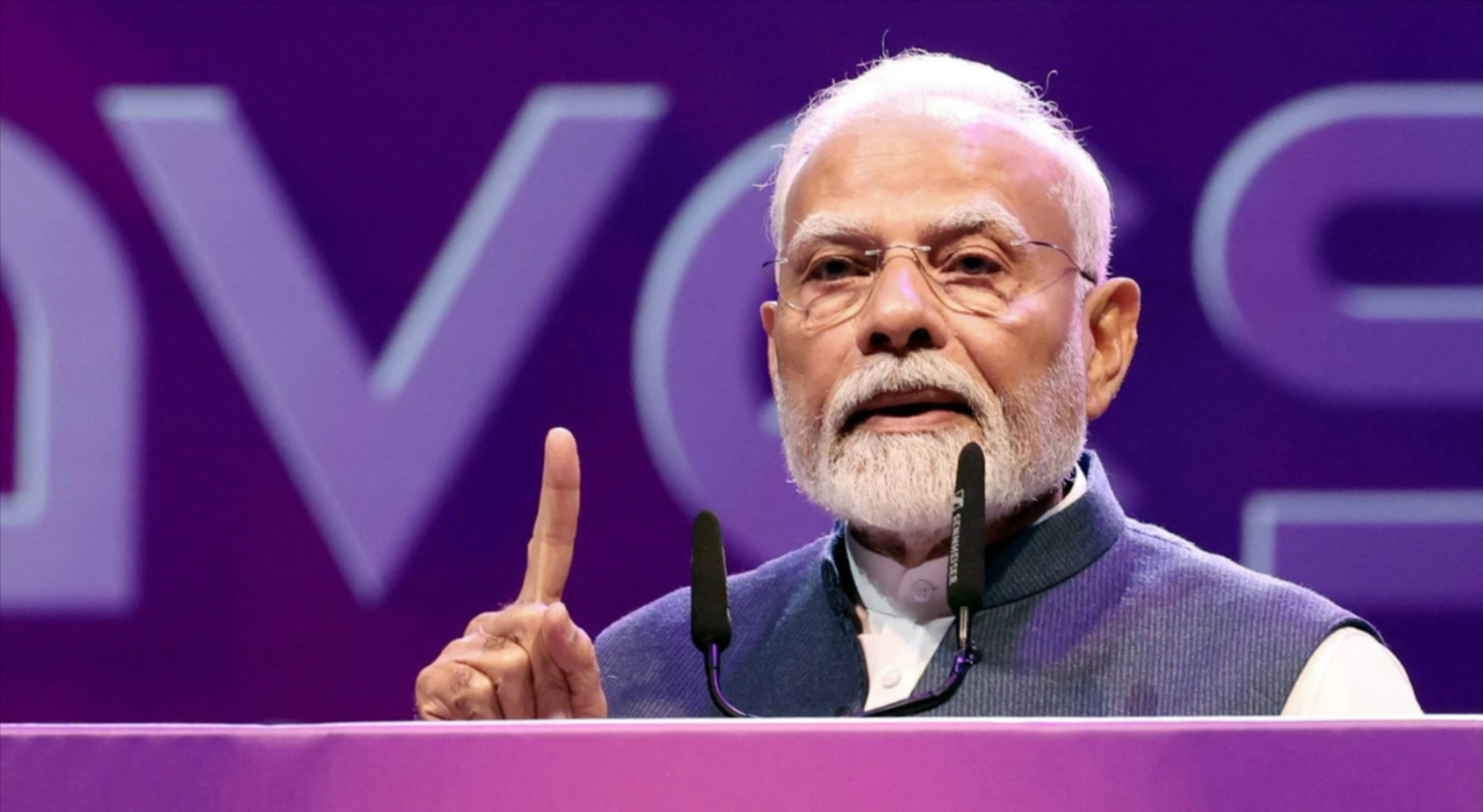
During the WAVES Summit in Mumbai, Prime Minister Narendra Modi underlined India's developing position in the global creative economic sector. During his opening address, India earned the description of an "orange economy" because cultural and creative sectors drive both financial growth and job creation. Rajnikanth and Mukesh Ambani joined

The Mahahtra government achieved a historical milestone by returning to India the historic sword of Raghuji Bhosale I during a Sotheby’s auction in London, which belonged to a notable 18th-century Maratha ruler. The state of Mahahtra achieves its first success in acquiring historical artifacts from international auctions. The bidding





Stay updated with The Hindu Editorial Vocab24 app, your definitive source for breaking news and comprehensive coverage from India and around the globe. Whether it's political developments, business updates, sports highlights, the latest technology trends, or current events, The Hindu brings live, accurate, and reliable news directly to your device.
Don’t fall for sensationalized or fake news shared online. Read and share accurate updates with friends and family through The Hindu Editorial Vocab24 app. Download it today!
News Coverage in The Hindu Editorial Vocab24 App
Breaking News: Receive instant notifications on breaking news stories as they unfold. Stay informed about major events and developments in India and around the world with live blogs, news in shorts videos, and concise articles.
Politics: Get the latest updates on Indian politics, including elections, policy changes, government decisions, and political events that shape the nation.
Business and Economy: Stay ahead in the economic landscape with detailed business news and market analysis. Learn about stock market trends, financial reports, corporate news, and economic developments to make informed investment decisions.
Current Events: Follow stories on social issues, policy changes, global events, and daily current affairs, tailored for UPSC and other competitive exam preparations.
Technology: Keep up with the latest gadgets, innovations, and tech trends. Read expert reviews and analyses in short, concise updates on cutting-edge technology from India and beyond.
Sports: Never miss a moment of your favorite sports. Get live scores, match reports, and expert analysis on cricket, football, tennis, and more.
International News: Stay informed about global events and geopolitical developments, including the Russia-Ukraine war, Israel-Palestine conflict, and other key international stories.
Local News: Stay connected to your community with the latest updates on city events, issues, and local news. Coverage includes hyperlocal updates from cities like Bangalore, Chennai, Delhi, Hyderabad, Mumbai, Kolkata, and more.
Trending Topics: Discover what's trending today with the most talked-about stories and hot topics across India and the world.
Experience journalism that values integrity, accuracy, and reliability. Download The Hindu Editorial Vocab24 app today and stay connected with the world.
Subscribe to our newsletter!







