

This time with feeling rbi's new power must be accompanied by wider reform
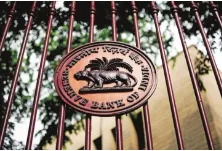
The Centre has empowered the Reserve Bank of India to get banks to take tougher steps, including insolvency and bankruptcy proceedings against defaulters, to address the growing volume of bad loans on their books. An ordinance to amend the Banking Regulation Act of 1949 has been issued to quell doubts whether the existing provisions allowed the RBI to direct banks to deal with specific stressed assets. The RBI has also been vested with the power to form oversight committees wherever it deems fit. Currently such committees exist only for loans brought into a scheme for sustainable structuring of stressed assets, also known as S4A. Now the RBI can bring in such panels to monitor the alphabet soup of other mechanisms for tackling non-performing assets (NPAs) such as SDR (strategic debt restructuring) through the JLFs, or joint lenders’ forums. The hope is that this will let bankers take decisive calls on loan accounts that have turned bad, as an independent oversight committee’s approval could keep investigative agencies off their backs. Bankers may not always have the sectoral expertise to monetise or leverage assets underlying bad loans in the best possible way. Yet, their paralysis on the NPA front, with its collateral impact being the worst bank credit growth recorded in decades, is driven by the fear that they could get themselves implicated for poor lending and monitoring decisions. The success of this latest salvo against bad loans will depend on the fine print on how the ultimate decision — whether to take a haircut on a loan and restructure it or invoke bankruptcy clauses — is arrived at. Perhaps of equal significance is the reshuffle of certain public sector bank officials announced on Friday. This is a clear signal that the NDA government is losing its patience with bankers persisting with a status quoist approach. The ordinance is the latest attempt to resolve the twin balance sheet problem (of indebted borrowers and NPA-burdened lenders) plaguing India’s domestic investment cycle. In 2015, the Prime Minister launched a Gyan Sangam conclave with bankers, and an Indradhanush road map to revitalise public sector banks. Last year, a Banks Board Bureau was set up to recommend the appointment of top bosses at banks and help them develop strategies and plan raising of capital. If the government wants to see a spurt in investment and job-creation, it needs to do more than just pin its hopes on new oversight committees. It must amend the anti-corruption law as has been promised for a while now, and accept the need to fix the policy-level stress affecting sectors such as telecom, power and highways. Above all, the government cannot in the same breath argue that the political cost of reforms is dissipating, but that the ‘re-privatisation’ of banks as mooted by the RBI recently is still a holy cow for the Indian polity.


Economic Survey promises, impact of new labour codes
Mar 16, 2026
Preparing India for a true innovation-led economy
Mar 15, 2026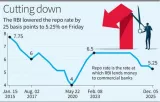
Cheaper loans likely as repo rate cut by 25 bps
Dec 08, 2025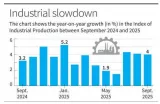
Iip growth dips to three month low of 4 in sept
Oct 31, 2025





Stay updated with The Hindu Editorial Vocab24 app, your definitive source for breaking news and comprehensive coverage from India and around the globe. Whether it's political developments, business updates, sports highlights, the latest technology trends, or current events, The Hindu brings live, accurate, and reliable news directly to your device.
Don’t fall for sensationalized or fake news shared online. Read and share accurate updates with friends and family through The Hindu Editorial Vocab24 app. Download it today!
News Coverage in The Hindu Editorial Vocab24 App
Breaking News: Receive instant notifications on breaking news stories as they unfold. Stay informed about major events and developments in India and around the world with live blogs, news in shorts videos, and concise articles.
Politics: Get the latest updates on Indian politics, including elections, policy changes, government decisions, and political events that shape the nation.
Business and Economy: Stay ahead in the economic landscape with detailed business news and market analysis. Learn about stock market trends, financial reports, corporate news, and economic developments to make informed investment decisions.
Current Events: Follow stories on social issues, policy changes, global events, and daily current affairs, tailored for UPSC and other competitive exam preparations.
Technology: Keep up with the latest gadgets, innovations, and tech trends. Read expert reviews and analyses in short, concise updates on cutting-edge technology from India and beyond.
Sports: Never miss a moment of your favorite sports. Get live scores, match reports, and expert analysis on cricket, football, tennis, and more.
International News: Stay informed about global events and geopolitical developments, including the Russia-Ukraine war, Israel-Palestine conflict, and other key international stories.
Local News: Stay connected to your community with the latest updates on city events, issues, and local news. Coverage includes hyperlocal updates from cities like Bangalore, Chennai, Delhi, Hyderabad, Mumbai, Kolkata, and more.
Trending Topics: Discover what's trending today with the most talked-about stories and hot topics across India and the world.
Experience journalism that values integrity, accuracy, and reliability. Download The Hindu Editorial Vocab24 app today and stay connected with the world.
Subscribe to our newsletter!







