

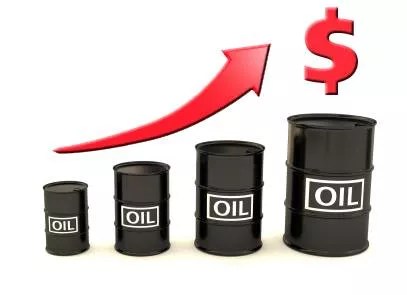
The risk of rising crude oil prices
The situation is not alarming for India at the moment, but policymakers would do well to remain watchfulAs a large importer of crude oil, India benefited significantly from lower prices. It helped contain inflation and had a favourable impact on both the fiscal and current account deficits. But a sharp reversal in prices can roll back some of those gains. Oil prices touched a two-year high earlier this week and have gone up by about 14% over the last one month. The expectation in the market is that prices could remain elevated owing to several reasons, such as drawdown in inventories, especially in the US, better compliance with the voluntary production cut by the Organization of the Petroleum Exporting Countries (Opec), slower pickup in US shale oil and continued geopolitical risk in West Asia. In October, according to Bloomberg data, Opec members reduced production more than they had initially agreed to. Further, the internal power struggle in Saudi Arabia has added to the uncertainty. According to the International Monetary Fund, Saudi Arabia will need oil prices to be at $70 per barrel for fiscal break-even in 2018. Members of Opec will meet later this month and it is likely that they will work to push oil prices to around the $70 per barrel mark in the coming year.
Even though India is in a relatively strong macroeconomic position, a higher level of oil prices could still pose challenges for policymakers. India witnessed a significant positive terms of trade shock when oil prices fell by over 50% between 2014 and 2015. Sajjid Z. Chinoy, chief India economist at J P Morgan, has shown that the windfall for the government was to the tune of 0.9% of the gross domestic product (GDP) in terms of lower subsidy outgo and higher tax collection, which helped boost public investments. Households and firms also benefited.
However, higher oil prices could have the opposite effect and impede economic recovery in the coming quarters. They could have implications for growth, inflation, currency, current account deficit and fiscal deficit. According to a recent note by Nomura, every $10 increase in oil price increases consumer price inflation by 0.6-0.7 percentage point. It also estimates that a similar rise worsens India’s current account balance by 0.4% of the GDP. Reduction in excise duty on petrol and diesel by Re1 per litre lowers collection to the tune of 0.08% of the GDP. Since the government raised excise duty when prices were falling, it could come under pressure to reverse the hike if prices continue to rise.
In fact, higher and elevated levels of oil prices could actually test government resolve for reforms in the sector. The Union government reduced excise duty by Rs2 per litre on petrol and diesel last month; this was followed by a reduction in value-added tax by states such as Gujarat and Maharashtra. More such moves in the run-up to crucial state assembly elections in 2018 and the general election in 2019 could strain government finances at the aggregate level. Lower revenue would also result in lower public investments, which will affect growth.
Given India’s macroeconomic position, the impact of higher oil prices on individual indicators may not look worrying as of now, but put together with added uncertainty related to revenue and economic activity due to teething problems with the goods and services tax, could worsen the outlook for India.
The latest monetary policy report of the Reserve Bank of India (RBI), for instance, shows that for baseline forecasts, the central bank has assumed the price of the Indian crude basket to average around $55 per barrel in the second half of the current fiscal. If oil prices move up to $65 per barrel, inflation could go up by 30 basis points for the fiscal and the real gross value-added growth could be lower by 15 basis points. The Indian crude basket was at $62.4 per barrel on 8 November. Expectation of higher inflation will reduce the chance of a potential rate cut and could affect market sentiment. Bond yields have gone up in recent weeks. Higher oil prices will also affect corporate India’s profit margins and could delay the much awaited earnings revival. A relatively less favourable macro outlook and a decline in profit margins would affect the equity market where stocks are richly valued.
To be sure, the situation is not alarming for India at the moment, but policymakers would do well to remain watchful. It is likely that the RBI’s monetary policy committee will mull over the possible fallout in its next meeting in December. Meanwhile, the government would be well advised to avoid reducing duty if prices remain at higher levels. It would need higher revenue to push capital expenditure and move forward with fiscal consolidation. It will be extremely important to keep fiscal deficit in control in order to protect hard-won macroeconomic stability.


The non trivial costs of a slow judiciary
Jan 31, 2018
Very important the economic survey an overview
Jan 30, 2018
The conflict between equity and efficiency
Jan 29, 2018
Judicial primacy is not the same as exclusivity
Jan 25, 2018
Global monetary policy enters a decisive phase
Jan 25, 2018





Stay updated with The Hindu Editorial Vocab24 app, your definitive source for breaking news and comprehensive coverage from India and around the globe. Whether it's political developments, business updates, sports highlights, the latest technology trends, or current events, The Hindu brings live, accurate, and reliable news directly to your device.
Don’t fall for sensationalized or fake news shared online. Read and share accurate updates with friends and family through The Hindu Editorial Vocab24 app. Download it today!
News Coverage in The Hindu Editorial Vocab24 App
Breaking News: Receive instant notifications on breaking news stories as they unfold. Stay informed about major events and developments in India and around the world with live blogs, news in shorts videos, and concise articles.
Politics: Get the latest updates on Indian politics, including elections, policy changes, government decisions, and political events that shape the nation.
Business and Economy: Stay ahead in the economic landscape with detailed business news and market analysis. Learn about stock market trends, financial reports, corporate news, and economic developments to make informed investment decisions.
Current Events: Follow stories on social issues, policy changes, global events, and daily current affairs, tailored for UPSC and other competitive exam preparations.
Technology: Keep up with the latest gadgets, innovations, and tech trends. Read expert reviews and analyses in short, concise updates on cutting-edge technology from India and beyond.
Sports: Never miss a moment of your favorite sports. Get live scores, match reports, and expert analysis on cricket, football, tennis, and more.
International News: Stay informed about global events and geopolitical developments, including the Russia-Ukraine war, Israel-Palestine conflict, and other key international stories.
Local News: Stay connected to your community with the latest updates on city events, issues, and local news. Coverage includes hyperlocal updates from cities like Bangalore, Chennai, Delhi, Hyderabad, Mumbai, Kolkata, and more.
Trending Topics: Discover what's trending today with the most talked-about stories and hot topics across India and the world.
Experience journalism that values integrity, accuracy, and reliability. Download The Hindu Editorial Vocab24 app today and stay connected with the world.
Subscribe to our newsletter!







