

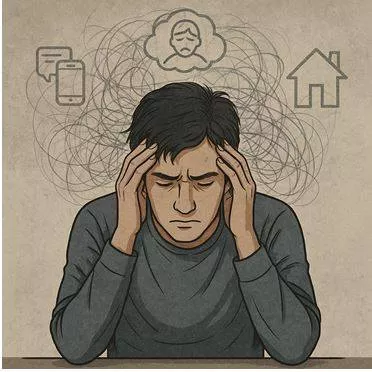
The rising tide of mental health issues causes consequences and the call for collective action
IntroductionIn recent years, mental health has evolved from being a taboo topic to a global public health priority. Despite increased awareness, the burden of mental health issues continues to grow, cutting across age, gender, socioeconomic status, and geography. From anxiety and depression to more severe disorders like schizophrenia and bipolar disorder, mental health conditions are on the rise—particularly in the wake of social, technological, and economic changes. The World Health Organization (WHO) estimates that one in eight people globally lives with a mental disorder. This essay explores the root causes behind the increasing prevalence of mental health issues, the social and economic consequences, and the urgent need for multi-level interventions.
________________________________________ The Scope of the Mental Health Crisis
Mental health issues today represent one of the leading causes of disability and lost productivity worldwide. In India alone, according to the National Mental Health Survey, nearly 14% of the population suffers from some form of mental illness. The COVID-19 pandemic further intensified these numbers, exposing people to isolation, grief, job loss, and anxiety. Globally, over 280 million people are estimated to be suffering from depression and over 300 million from anxiety disorders. Alarmingly, suicide remains one of the leading causes of death among 15–29-year-olds, with a rising trend even among schoolchildren.
________________________________________ Key Causes of the Rise in Mental Health Issues
1. Modern Lifestyle and Urban Stress
Urbanization has brought along with it a competitive lifestyle, long work hours, lack of sleep, unhealthy eating habits, and minimal physical activity—all contributing to mental health deterioration. The ‘always on’ culture, especially in urban settings, often leads to chronic stress and burnout.
2. Social Media and Digital Overload
The digital era has its blessings, but it also poses significant psychological threats. Constant exposure to idealized images on social media platforms fosters comparison, loneliness, cyberbullying, and a distorted self-image. Excessive screen time also disrupts sleep patterns and reduces real-world human interactions, crucial for emotional health.
3. Economic Insecurity
Unemployment, underemployment, rising cost of living, and job instability have created a generation plagued by financial anxiety. The gig economy and contractual work, while offering flexibility, often lack job security and social benefits, contributing to chronic stress and mental fatigue.
4. Breakdown of Traditional Support Systems
In earlier times, joint families, community ties, and neighborhood bonds offered a safety net for emotional support. However, modern individualistic lifestyles and nuclear families have weakened these structures, leaving people more isolated and vulnerable.
5. Academic Pressure and Youth Expectations
From early schooling to competitive exams and career choices, youth today face immense pressure to excel. This constant race for achievement, often without emotional literacy training, leads to high rates of anxiety, depression, and even suicidal tendencies among students.
6. Stigma and Lack of Awareness
Despite growing awareness, mental illness still carries a social stigma in many societies. Many individuals do not seek help out of fear of being labeled ‘weak’ or ‘unstable.’ This delays diagnosis and worsens outcomes.
________________________________________ Impact on Individuals and Society
1. Personal and Familial Toll
Mental health disorders not only affect the individual but also deeply impact their family members and caregivers. The emotional strain, combined with the financial burden of treatment, can break families, especially in low-income households.
2. Loss of Productivity
Mental health issues cost the global economy around $1 trillion each year in lost productivity, as per the WHO. Employees with untreated mental illness are more likely to take sick leaves, underperform, or quit, thereby affecting workplace efficiency.
3. Healthcare Burden
Most developing countries have a massive gap between demand and availability of mental health services. There is a shortage of trained professionals—psychiatrists, psychologists, counselors—and the cost of private treatment is unaffordable for many.
4. Social Disintegration
Unaddressed mental health problems can lead to substance abuse, homelessness, and criminal behavior. The social cost of ignoring mental health is often seen in rising divorce rates, domestic violence, and community-level unrest.
________________________________________ Solutions and the Way Forward
1. Public Policy and Investment
Governments must prioritize mental health in their public health agendas. This includes increasing budget allocations, integrating mental health services with primary care, and subsidizing treatment costs.
2. School and Workplace Interventions
Early intervention is key. Schools should include mental health education, mindfulness training, and emotional intelligence programs in their curriculum. Workplaces should provide counseling services, stress management programs, and promote a healthy work-life balance.
3. Community-Based Models
Community health workers and local NGOs can be trained to provide basic mental health support. Grassroots initiatives that promote peer counseling, support groups, and mental wellness workshops can make a huge difference.
4. Tele-Mental Health and Technology
Digital platforms can bridge the gap in access to mental health care. Online therapy, mental health apps, and 24x7 helplines make it easier for individuals to seek help anonymously and conveniently.
5. Destigmatization Campaigns
Mass media and influencers can play a powerful role in changing societal attitudes. Celebrities opening up about their mental health struggles have already created positive ripple effects. Campaigns like #ItsOkayToNotBeOkay are helping normalize conversations.
6. Training and Capacity Building
India, for example, has less than one psychiatrist per 100,000 people. Investing in training more psychologists, psychiatric nurses, and counselors is vital. Medical and nursing curricula must also include mandatory mental health education.
________________________________________ Conclusion
The mental health crisis is no longer a silent epidemic—it is a glaring public health emergency. The rise in mental health disorders is a reflection of our evolving but emotionally unsustainable lifestyles. As individuals, communities, and governments, we must move from acknowledgment to action. Ensuring mental well-being is not just a medical or psychological responsibility but a societal one. We must nurture empathy, resilience, and open dialogue so that mental health is treated not as a taboo, but as a natural and essential aspect of human life. Only then can we hope to build a truly healthy and inclusive society.






Stay updated with The Hindu Editorial Vocab24 app, your definitive source for breaking news and comprehensive coverage from India and around the globe. Whether it's political developments, business updates, sports highlights, the latest technology trends, or current events, The Hindu brings live, accurate, and reliable news directly to your device.
Don’t fall for sensationalized or fake news shared online. Read and share accurate updates with friends and family through The Hindu Editorial Vocab24 app. Download it today!
News Coverage in The Hindu Editorial Vocab24 App
Breaking News: Receive instant notifications on breaking news stories as they unfold. Stay informed about major events and developments in India and around the world with live blogs, news in shorts videos, and concise articles.
Politics: Get the latest updates on Indian politics, including elections, policy changes, government decisions, and political events that shape the nation.
Business and Economy: Stay ahead in the economic landscape with detailed business news and market analysis. Learn about stock market trends, financial reports, corporate news, and economic developments to make informed investment decisions.
Current Events: Follow stories on social issues, policy changes, global events, and daily current affairs, tailored for UPSC and other competitive exam preparations.
Technology: Keep up with the latest gadgets, innovations, and tech trends. Read expert reviews and analyses in short, concise updates on cutting-edge technology from India and beyond.
Sports: Never miss a moment of your favorite sports. Get live scores, match reports, and expert analysis on cricket, football, tennis, and more.
International News: Stay informed about global events and geopolitical developments, including the Russia-Ukraine war, Israel-Palestine conflict, and other key international stories.
Local News: Stay connected to your community with the latest updates on city events, issues, and local news. Coverage includes hyperlocal updates from cities like Bangalore, Chennai, Delhi, Hyderabad, Mumbai, Kolkata, and more.
Trending Topics: Discover what's trending today with the most talked-about stories and hot topics across India and the world.
Experience journalism that values integrity, accuracy, and reliability. Download The Hindu Editorial Vocab24 app today and stay connected with the world.
Subscribe to our newsletter!







