

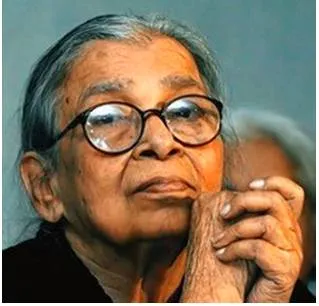
The purpose of literature
It is through inclusive and diverse writings that we get a socio-cultural understanding of a nation.Delhi University recently dropped Mahasweta Devi’s renowned short story, Draupadi, and two Dalit writers — Bama and Sukirtharani — from the BA English (Hons) syllabus. Several writers, academics and media outlets have reacted adversely to this news. Devi’s short story details the plight of tribals and remains relevant to this day. Bama’s Karukku will forever be remembered for its searing account of her life of subjugation and perennial ostracism. Sukirtharani’s poems lay bare her Dalit feminist politics. These are important voices that any student of literature or the Humanities ought to engage with in contemporary India. And it is often through university syllabi that young minds are introduced to such writing which may not feature in the usual bestseller lists or other traps laid out by corporate publishing intended to endear readers to certain types of books – lifestyle, self-help and ‘how to do’ guides – which don’t encourage critical questioning and thinking.
An introduction to who we are
At this point, we must ask: what is the purpose of literature in a classroom really? Literary studies have moved far beyond merely imparting tools of literary analysis to students in the classroom. Studying literature no longer means analysing plot, character and setting, and writing long prosaic answers in exams alone. These are important elements to understand a text in its entirety but literature is also an introduction to where and how we live and the challenges that face our time and society. In many ways, literature is an introduction to who we are, or ought to be, as people. All over the world, literature syllabi are being redrawn to ensure inclusion and diversity.
The writings of the authors who have been dropped from the course could be subjected to traditional literary analysis. At the same time, they also identify and highlight concerns that aid a socio-cultural understanding of the issues that plague Indian society. These texts, however, are not to be read as sociology camouflaging as literature. We must discuss their artistic and literary merits too. I have encountered several realities of this nation through these writings with little or no experience of the terrain the writers have written about or the caste atrocities they have faced. Their writing has been a great education to say the least. At the same time, history is archived in the life story of the individual and other characters in their fiction. The decision-makers at Delhi University could argue that all syllabi should be regularly updated. While that cannot be contested, the texts that replace the above writers should invite further scrutiny. Also, it should be asked why only these texts were chosen to be axed while others were left untouched.
This act of elimination will hopefully motivate several to read these writers and explore their work with greater interest. The same happened in the past when texts such as A.K. Ramanujan’s Three Hundred Ramayanas and Rohinton Mistry’s A Fine Balance were dropped from university syllabi under political pressure. Needless to say, banned books have always aroused great curiosity amongst readers.
Reading Indian writing
It was a welcome move by Delhi University to teach the writings of Mahasweta Devi and Bama as part of the English syllabus and wean such courses away from their excessive Eurocentrism. To read Indian literature in translation is one of the best introductions to the country and its enormous literary wealth. Through such a practice, students are also taught to read and appreciate literature in the comfort of a familiar context and become informed citizens. While world literature has its own merits, an introduction to Indian writing and especially those that help us to be ‘critical insiders’ (a term that the writer U.R. Ananthamurthy used) will go a long way in creating passionate learners. Isn’t that the purpose of education after all?



Top court quashes FIRs against Gen Z protesters
Sep 04, 2026






Stay updated with The Hindu Editorial Vocab24 app, your definitive source for breaking news and comprehensive coverage from India and around the globe. Whether it's political developments, business updates, sports highlights, the latest technology trends, or current events, The Hindu brings live, accurate, and reliable news directly to your device.
Don’t fall for sensationalized or fake news shared online. Read and share accurate updates with friends and family through The Hindu Editorial Vocab24 app. Download it today!
News Coverage in The Hindu Editorial Vocab24 App
Breaking News: Receive instant notifications on breaking news stories as they unfold. Stay informed about major events and developments in India and around the world with live blogs, news in shorts videos, and concise articles.
Politics: Get the latest updates on Indian politics, including elections, policy changes, government decisions, and political events that shape the nation.
Business and Economy: Stay ahead in the economic landscape with detailed business news and market analysis. Learn about stock market trends, financial reports, corporate news, and economic developments to make informed investment decisions.
Current Events: Follow stories on social issues, policy changes, global events, and daily current affairs, tailored for UPSC and other competitive exam preparations.
Technology: Keep up with the latest gadgets, innovations, and tech trends. Read expert reviews and analyses in short, concise updates on cutting-edge technology from India and beyond.
Sports: Never miss a moment of your favorite sports. Get live scores, match reports, and expert analysis on cricket, football, tennis, and more.
International News: Stay informed about global events and geopolitical developments, including the Russia-Ukraine war, Israel-Palestine conflict, and other key international stories.
Local News: Stay connected to your community with the latest updates on city events, issues, and local news. Coverage includes hyperlocal updates from cities like Bangalore, Chennai, Delhi, Hyderabad, Mumbai, Kolkata, and more.
Trending Topics: Discover what's trending today with the most talked-about stories and hot topics across India and the world.
Experience journalism that values integrity, accuracy, and reliability. Download The Hindu Editorial Vocab24 app today and stay connected with the world.
Subscribe to our newsletter!







