


The other debt issue on the states' finances
For the first time in 11 years, in 2015-16 the combined fiscal deficit of India’s 29 States as a proportion of the size of their economies breached the 3% threshold recommended as a fiscally prudent limit by successive Finance Commissions. The Reserve Bank of India has warned that the States’ expectation to revert to the 3% mark in their 2016-17 Budgets may not be realised, based on information from 25 States. While the Central government has projected a fiscal deficit of 3.2% of GDP for this year, States expect to bring theirs down further to 2.6% — still higher than the average of 2.5% clocked between 2011-12 and 2015-16. Whichever way one looks at it, the steady gains made in States’ finances over the past decade seem to be unravelling. Chief Economic Adviser Arvind Subramanian has asserted that the 3% of GDP benchmark for the fiscal deficit of the States or the Centre is not a magic number. Yet, it serves as an anchor for fiscal discipline in a country whose two biggest crises in recent decades — the balance of payments trouble in 1991, the currency tumble in 2013 — were precipitated by fiscal irresponsibility. Taking on the massive debt of their chronically loss-making power distribution companies, as part of the UDAY restructuring exercise steered by the Centre, has surely dented the States’ fiscal health significantly over the past couple of years. With private investment remaining elusive, the States’ focus on bolstering capital expenditure in sectors such as transport, irrigation and power is welcome (States’ capital expenditure as a proportion of their GDP has been higher than the Centre’s since 2011-12). But it is important that such funding remains sustainable and States stay solvent. Tepid economic growth hasn’t helped, and States have had to resort to higher market borrowings even after the Centre hiked their share from tax inflows to 42% from 32%, starting 2015-16. The Centre has been short-changing States by relying on special levies such as surcharges, cesses and duties that are not considered part of the divisible tax pool. So, instead of a 10% rise in the States’ share of gross tax revenue, the actual hike in 2015-16 was just 7.7%. The forthcoming Goods and Services Tax regime should, it is to be hoped, correct this anomaly to an extent. But there are other potential stress points: Pay Commission hikes, rising interest payments, the unstated risks from guaranteeing proxy off-budget borrowings by State enterprises, and the boisterous clamour for ad hoc loan waivers. The N.K. Singh panel on fiscal consolidation has recommended a focus on overall government debt along with fiscal deficit and a 20% debt-to-GDP ratio for States by 2022-23. Not just the Centre, but States (with outstanding liabilities to GDP of around 24% as of March 2017) also need to tighten their belts considerably from here, even as they await the constitution of the Fifteenth Finance Commission.


Economic Survey promises, impact of new labour codes
Mar 16, 2026
Preparing India for a true innovation-led economy
Mar 15, 2026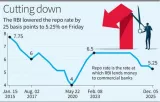
Cheaper loans likely as repo rate cut by 25 bps
Dec 08, 2025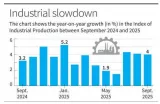
Iip growth dips to three month low of 4 in sept
Oct 31, 2025





Stay updated with The Hindu Editorial Vocab24 app, your definitive source for breaking news and comprehensive coverage from India and around the globe. Whether it's political developments, business updates, sports highlights, the latest technology trends, or current events, The Hindu brings live, accurate, and reliable news directly to your device.
Don’t fall for sensationalized or fake news shared online. Read and share accurate updates with friends and family through The Hindu Editorial Vocab24 app. Download it today!
News Coverage in The Hindu Editorial Vocab24 App
Breaking News: Receive instant notifications on breaking news stories as they unfold. Stay informed about major events and developments in India and around the world with live blogs, news in shorts videos, and concise articles.
Politics: Get the latest updates on Indian politics, including elections, policy changes, government decisions, and political events that shape the nation.
Business and Economy: Stay ahead in the economic landscape with detailed business news and market analysis. Learn about stock market trends, financial reports, corporate news, and economic developments to make informed investment decisions.
Current Events: Follow stories on social issues, policy changes, global events, and daily current affairs, tailored for UPSC and other competitive exam preparations.
Technology: Keep up with the latest gadgets, innovations, and tech trends. Read expert reviews and analyses in short, concise updates on cutting-edge technology from India and beyond.
Sports: Never miss a moment of your favorite sports. Get live scores, match reports, and expert analysis on cricket, football, tennis, and more.
International News: Stay informed about global events and geopolitical developments, including the Russia-Ukraine war, Israel-Palestine conflict, and other key international stories.
Local News: Stay connected to your community with the latest updates on city events, issues, and local news. Coverage includes hyperlocal updates from cities like Bangalore, Chennai, Delhi, Hyderabad, Mumbai, Kolkata, and more.
Trending Topics: Discover what's trending today with the most talked-about stories and hot topics across India and the world.
Experience journalism that values integrity, accuracy, and reliability. Download The Hindu Editorial Vocab24 app today and stay connected with the world.
Subscribe to our newsletter!







