

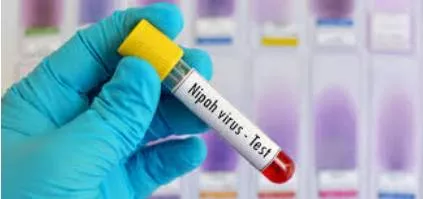
The nipah test
Age-old practices of infection control are crucial to limit the deadly outbreak.The outbreak of the deadly Nipah virus around Kozhikode, Kerala, is a test of India’s capacity to respond to public health emergencies. In 2018, the World Health Organisation listed Nipah as one of the 10 priority pathogens needing urgent research, given its ability to trigger lethal outbreaks and the lack of drugs available against it. As an RNA (ribonucleic acid) virus, Nipah has an exceptional rate of mutation — that is, it can easily adapt to spread more efficiently among humans than it does now. Such an adaptation would result in a truly dangerous microbe. Nipah already kills up to 70% of those it infects, through a mix of symptoms that include encephalitis, a brain inflammation marked by a coma state, disorientation, and long-lasting after-effects, such as convulsions, in those who survive. Thankfully, in most outbreaks in South Asia so far the virus has displayed a “stuttering chain of transmission”. This means that once the virus spreads from fruit bats, its natural reservoir, to humans, it moves mainly to people in close contact with patients, such as hospital staff and family caregivers. But these caregivers are at high risk, because the sicker the patients become, the more virus they secrete. Preliminary reports suggest that the Kozhikode outbreak is also displaying a stuttering chain of transmission. Of the 11 confirmed Nipah fatalities, three were from the same family. While researchers are still investigating how they were exposed, a bat colony living in a well in the family’s yard is a strong suspect.
This fits in with how outbreaks have historically begun in the subcontinent. In a 2007 outbreak in Nadia, West Bengal, for example, patient zero is believed to have acquired the virus from palm liquor contaminated by bat droppings. The next wave of infections have historically occurred among close contacts and caregivers, such as nurses; the same pattern has been detected in Kozhikode as well. But these are preliminary reports, and new information may change what we know about the present virus. Several patients with symptoms of infection are under observation. Only when clinical investigations are complete can it be determined how contagious the virus really is. If it is found travelling over long distances, the authorities will have to be ready with strategies to combat its spread. The good news is that Kerala’s public health systems have acted with extraordinary efficiency so far. Doctors identified the virus in the very second patient, a diagnostic speed unrivalled in developing countries. This must be commended. But big challenges remain. The death of a nurse shows that health-care workers may not be taking adequate precautions when dealing with patients, by using masks and following a strict hand-wash regimen. The virus has no specific treatment. The best defences against it are the age-old principles of infection control, which Indian hospitals have not mastered as yet. Kerala’s health authorities must ensure these principles are widely adopted, and no preventable transmission takes place.




Top court quashes FIRs against Gen Z protesters
Sep 04, 2026







Stay updated with The Hindu Editorial Vocab24 app, your definitive source for breaking news and comprehensive coverage from India and around the globe. Whether it's political developments, business updates, sports highlights, the latest technology trends, or current events, The Hindu brings live, accurate, and reliable news directly to your device.
Don’t fall for sensationalized or fake news shared online. Read and share accurate updates with friends and family through The Hindu Editorial Vocab24 app. Download it today!
News Coverage in The Hindu Editorial Vocab24 App
Breaking News: Receive instant notifications on breaking news stories as they unfold. Stay informed about major events and developments in India and around the world with live blogs, news in shorts videos, and concise articles.
Politics: Get the latest updates on Indian politics, including elections, policy changes, government decisions, and political events that shape the nation.
Business and Economy: Stay ahead in the economic landscape with detailed business news and market analysis. Learn about stock market trends, financial reports, corporate news, and economic developments to make informed investment decisions.
Current Events: Follow stories on social issues, policy changes, global events, and daily current affairs, tailored for UPSC and other competitive exam preparations.
Technology: Keep up with the latest gadgets, innovations, and tech trends. Read expert reviews and analyses in short, concise updates on cutting-edge technology from India and beyond.
Sports: Never miss a moment of your favorite sports. Get live scores, match reports, and expert analysis on cricket, football, tennis, and more.
International News: Stay informed about global events and geopolitical developments, including the Russia-Ukraine war, Israel-Palestine conflict, and other key international stories.
Local News: Stay connected to your community with the latest updates on city events, issues, and local news. Coverage includes hyperlocal updates from cities like Bangalore, Chennai, Delhi, Hyderabad, Mumbai, Kolkata, and more.
Trending Topics: Discover what's trending today with the most talked-about stories and hot topics across India and the world.
Experience journalism that values integrity, accuracy, and reliability. Download The Hindu Editorial Vocab24 app today and stay connected with the world.
Subscribe to our newsletter!







