

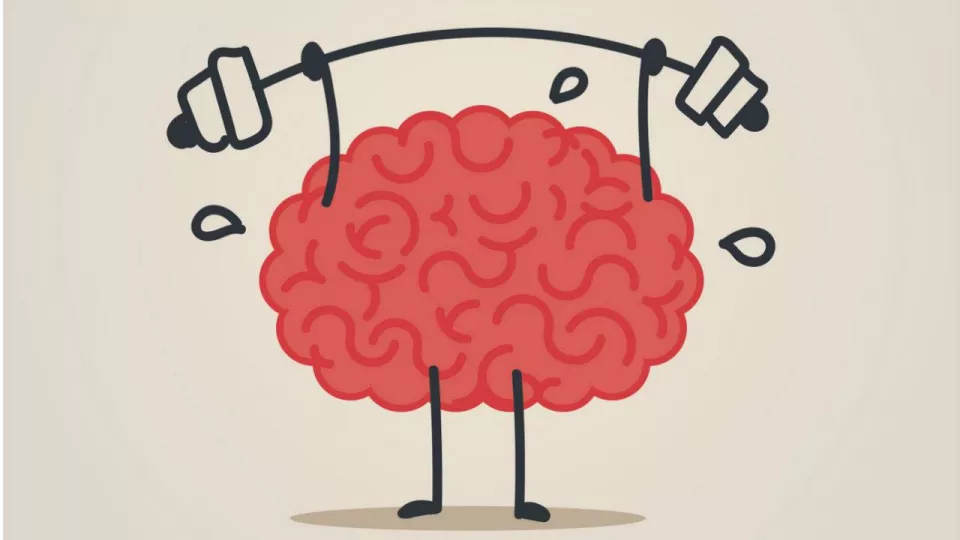
The gaps in the mental healthcare act
The need for legislation which secures the rights of people with mental illness is a necessity for a nation like India. Instances such as the 2001 Erwadi mental home fire, in which chained patients were charred to death, are a reminder of our apathy towards the mentally disabled. The neglect of mental health is evident from a World Health Organization report which estimated that 50 million Indians suffered from depression.The enactment of the Mental Healthcare Act, 2017 by the current government is an attempt to protect the rights of the mentally ill and enable citizens to decide on the method of treatment in case of mental illness, lest they are mistreated or neglected.
India ratified the UN Convention on Rights of Persons with Disabilities in October 2007. The United Progressive Alliance government (UPA-II) initially introduced the Mental Health Care Bill in August 2013 to replace the Mental Health Act, 1987 to bring the law in consonance with the obligations of the UN convention. The Bill lapsed due to the dissolution of the Lok Sabha.
The 16th Lok Sabha led by the National Democratic Alliance (NDA) reintroduced the Bill in August 2016 with 134 amendments. The modifications led to a complete overhaul of the intent, structure and provisions of the original Bill, and the spirit of the UN convention was missing. The overhaul of UPA-II’s Bill creates serious doubts about whether the objectives would be met.
During the discussion on the reintroduced Bill in March 2017 in the Lok Sabha, I proposed four crucial amendments relating to changes in definitions, and to ensure clarity and strengthen the provisions of the Bill. The reintroduced Bill was passed by both Houses; it has received Presidential assent and is in force as the Mental Healthcare Act, 2017.
The draft rules and regulations to be framed under the Mental Healthcare Act were prepared and put out for public scrutiny. The requirement of garnering comments from stakeholders and experts on the proposed rules is mandated by law but it is not binding upon the ministry to adopt and implement them.
Various mental health experts and non-governmental organizations initiated public debates and raised the lacunae in the draft rules and regulations with the ministry of health and family welfare. I will discuss some key issues that should be considered by the ministry in order to ensure that such legislation creates an ecosystem for proper treatment of the mentally disabled.
First, the Act recognizes mental illness as a clinical issue which can only be treated by medicines and clinical procedures.
The important issue of prevention and promotion of mental well-being has been neglected. Research shows that in cases of mental illness, medical interventions occur at an advanced stage. Illness is also a result of one’s social setting and preliminary treatment can be provided by qualified psychotherapists, counsellors and psychoanalysts.
This concern was flagged in the Lok Sabha and the House urged the minister to expand the definition of a ‘mental health professional’ to include psychotherapists, counsellors and psychoanalysts.
The current definition of ‘mental health professional’ is restricted to clinical psychiatrists and professionals holding a postgraduate degree in Ayurveda, homoeopathy, Siddha and Unani—all on the clinical side. Although including specialists from non-allopathic fields of medicine is laudable, it is unclear why psychotherapists and psychoanalysts were excluded.
The minister in charge said on the floor of the House that the expansion of the definition would be taken up, but the draft rules and regulations failed to address this.
Second, the Act proposes an ‘advance medical directive’ through which individuals can dictate how they “wish to be” and “wish not to be treated” and can nominate a member who can make decisions on their behalf should they lose their mental capacity. But it is unable to provide a clear procedure for preparing it.
The original Bill of 2013 outlined how and when a person could create an advance directive, including ascertaining mental insolvency through a standardized process before the application of the directive, and subject to approval by a competent authority. These clauses have been deleted from the Act and do not find mention in the rules. The Act fails to provide for the full list of treatment options available, so that a decision can be taken by the individual without information asymmetry.
Third, the Act provides for the constitution of an expert committee for periodic review and effective implementation of the Act. Neither the Act nor the rules define the constitution, procedure and terms of reference of the committee. Such an important body should be more transparent and subject to public scrutiny.
The Mental Healthcare Act, 2017 is an important legislation that is indicative of a progressive nation. The ministry must listen to stakeholders who have submitted responses on the draft rules and regulations before finalization.
The legislation will be effective only if the gaps pointed out by the stakeholders are discussed and solved. Tardy implementation will cause more harm than good.
Author : Rajeev Satav is the member of Parliament from Hingoli in Maharashtra, and a secretary of the All India Congress Committee.


The non trivial costs of a slow judiciary
Jan 31, 2018
Very important the economic survey an overview
Jan 30, 2018
The conflict between equity and efficiency
Jan 29, 2018
Judicial primacy is not the same as exclusivity
Jan 25, 2018
Global monetary policy enters a decisive phase
Jan 25, 2018





Stay updated with The Hindu Editorial Vocab24 app, your definitive source for breaking news and comprehensive coverage from India and around the globe. Whether it's political developments, business updates, sports highlights, the latest technology trends, or current events, The Hindu brings live, accurate, and reliable news directly to your device.
Don’t fall for sensationalized or fake news shared online. Read and share accurate updates with friends and family through The Hindu Editorial Vocab24 app. Download it today!
News Coverage in The Hindu Editorial Vocab24 App
Breaking News: Receive instant notifications on breaking news stories as they unfold. Stay informed about major events and developments in India and around the world with live blogs, news in shorts videos, and concise articles.
Politics: Get the latest updates on Indian politics, including elections, policy changes, government decisions, and political events that shape the nation.
Business and Economy: Stay ahead in the economic landscape with detailed business news and market analysis. Learn about stock market trends, financial reports, corporate news, and economic developments to make informed investment decisions.
Current Events: Follow stories on social issues, policy changes, global events, and daily current affairs, tailored for UPSC and other competitive exam preparations.
Technology: Keep up with the latest gadgets, innovations, and tech trends. Read expert reviews and analyses in short, concise updates on cutting-edge technology from India and beyond.
Sports: Never miss a moment of your favorite sports. Get live scores, match reports, and expert analysis on cricket, football, tennis, and more.
International News: Stay informed about global events and geopolitical developments, including the Russia-Ukraine war, Israel-Palestine conflict, and other key international stories.
Local News: Stay connected to your community with the latest updates on city events, issues, and local news. Coverage includes hyperlocal updates from cities like Bangalore, Chennai, Delhi, Hyderabad, Mumbai, Kolkata, and more.
Trending Topics: Discover what's trending today with the most talked-about stories and hot topics across India and the world.
Experience journalism that values integrity, accuracy, and reliability. Download The Hindu Editorial Vocab24 app today and stay connected with the world.
Subscribe to our newsletter!







