


The foreign facade
The incoming head of the NITI Aayog, Rajiv Kumar, recently said in a column inDainik Jagranthat India is subject to “foreign influences”, especially in the economic sphere. He said we must overcome the impact of the Macaulay and Anglo-Saxon world view. It’s important to analyse this statement and the sweeping generalisations that come with it. The aim of the NITI Aayog is to develop as a think tank which can make India competitive and self-reliant in a globalised world. However, the notion that anything “foreign” is taboo to our ecosystem is flawed thinking in an integrated modern economy. And despite Mr. Kumar’s assertions of “foreign influence” fading away, it is a fact that many prominent and competent people in economic policy in the Modi government have been educated or have worked abroad, including Mr. Kumar himself! This indicates that many Indians who have excelled abroad want to contribute to the economy. In a modern economy like ours, we need people with international exposure (to learn from the world’s mistakes) rather than armchair unaccountable pseudo-economists giving lectures, under the cover of political ideology, on what has to be done. An alternative model The second problematic notion is of foreign-bound economists being “Anglo-Saxon” in thought and process. While there are several economists with a western world view of economic theory, there are also a substantial number who agree with the negative impact of the theoretical influences of Anglo-Saxon economic thought on our policymaking and want it to be replaced with something more indigenous. But what is the alternative? While there are pockets of ideas which glorify our small and medium-sized enterprises, we haven’t really established a robust alternative model like what Singapore and China have done to suit their sociocultural tendencies. To establish a model like that is possible only when we have competent people with a broader global understanding of policies and ideas and yet have a unique approach to integrate Swadeshi qualities. Third, barring one or two Indian institutes, the academic quality of economists is no match to global standards. For example, India was plunged into an economic crisis in 1991 largely due to the flawed policies of home-grown economists who were abiding by the defunct socialist model of the 1970s and ’80s. The International Monetary Fund, for all its flaws, provided financial support to India to get out of the crisis. So what’s the point of criticising multilateral institutions when our own policies had neither the scale nor the vision to take us forward? Should we not pick up useful recommendations from these multilateral institutions? The focus needs to be on making calculated judgments on what suits us and what doesn’t rather than on shutting out opportunities. By adapting such narrow-minded views, we are isolating talented Indians who are willing to contribute to the country. The NITI Aayog needs to recruit Indian talent to suit the new ideas that they think are good for India.


Economic Survey promises, impact of new labour codes
Mar 16, 2026
Preparing India for a true innovation-led economy
Mar 15, 2026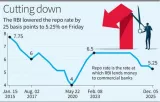
Cheaper loans likely as repo rate cut by 25 bps
Dec 08, 2025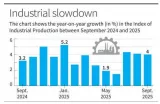
Iip growth dips to three month low of 4 in sept
Oct 31, 2025





Stay updated with The Hindu Editorial Vocab24 app, your definitive source for breaking news and comprehensive coverage from India and around the globe. Whether it's political developments, business updates, sports highlights, the latest technology trends, or current events, The Hindu brings live, accurate, and reliable news directly to your device.
Don’t fall for sensationalized or fake news shared online. Read and share accurate updates with friends and family through The Hindu Editorial Vocab24 app. Download it today!
News Coverage in The Hindu Editorial Vocab24 App
Breaking News: Receive instant notifications on breaking news stories as they unfold. Stay informed about major events and developments in India and around the world with live blogs, news in shorts videos, and concise articles.
Politics: Get the latest updates on Indian politics, including elections, policy changes, government decisions, and political events that shape the nation.
Business and Economy: Stay ahead in the economic landscape with detailed business news and market analysis. Learn about stock market trends, financial reports, corporate news, and economic developments to make informed investment decisions.
Current Events: Follow stories on social issues, policy changes, global events, and daily current affairs, tailored for UPSC and other competitive exam preparations.
Technology: Keep up with the latest gadgets, innovations, and tech trends. Read expert reviews and analyses in short, concise updates on cutting-edge technology from India and beyond.
Sports: Never miss a moment of your favorite sports. Get live scores, match reports, and expert analysis on cricket, football, tennis, and more.
International News: Stay informed about global events and geopolitical developments, including the Russia-Ukraine war, Israel-Palestine conflict, and other key international stories.
Local News: Stay connected to your community with the latest updates on city events, issues, and local news. Coverage includes hyperlocal updates from cities like Bangalore, Chennai, Delhi, Hyderabad, Mumbai, Kolkata, and more.
Trending Topics: Discover what's trending today with the most talked-about stories and hot topics across India and the world.
Experience journalism that values integrity, accuracy, and reliability. Download The Hindu Editorial Vocab24 app today and stay connected with the world.
Subscribe to our newsletter!







