

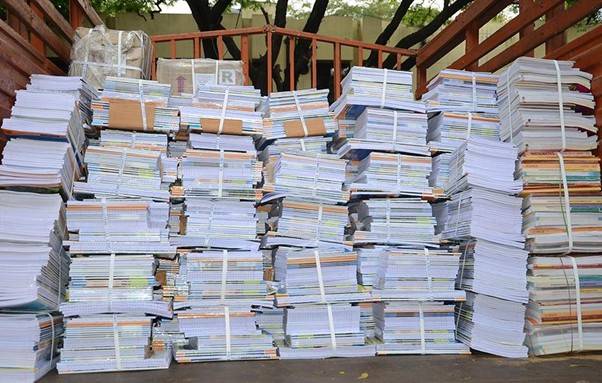
The directives on NCERT show the Court as keen to stave off any criticism
The Supreme Court of India’s sense of hurt at references to judicial corruption in a National Council of Educational Research and Training (NCERT) textbook is in danger of resulting in a serious case of miscarriage of justice. According to the Court, the NCERT’s textbook development team did not have “reasonable, informed knowledge about the Indian judiciary”. The Court went on to direct that persons such as those in the team should not be associated in “any manner with preparation of school curriculum or finalisation of textbooks for the next generation of this country”. This sweeping statement has cast a shadow over the entire exercise of textbook writing. While insisting on independent domain experts such as a senior judge to approve the chapters on judiciary before publication, the Court could have initiated a similar process for other chapters as well, especially for those dealing with history where the misrepresentation of facts is sometimes tinged with bigotry.In the past, the Bharatiya Janata Party (BJP) and its allied organisations had critiqued Indian textbooks saying that they were Macaulay-an and created “westernised” minds that did not hold India’s past, its traditions, and the Hindu religion as sacred. When the BJP came to power, it sought to redraft the textbooks along these lines. Now, references to Hindu rituals and beliefs are found across textbooks and subjects. For instance, a discussion on solar energy refers to the ritual of “arghyam”, a Vedic salutation to the sun by pouring water. Geography is strictly science, but a geography chapter in a class seven textbook talks about a divine feminine presence pervading the Indian landmass, thereby making it sacred. The Court must apply the same yardsticks it used for the judiciary chapters to history chapters in the textbooks too. Part 1 of the same social science textbook for class eight describes Muslim rulers as uniformly and singularly cruel, despotic and repressive whereas Hindu kingdoms are portrayed as benign and as resisting Muslim rule. Objectivity is given short shrift, leading to genuine fears that the narrative is to instigate bigotry even though the class eight textbook includes a disclaimer that today’s generation is not to be blamed for the ‘sins’ of the past. Textbook writing requires not just subject matter expertise but also skill that would genuinely kindle knowledge and inquiry as well as train minds towards valuing fairness, equality, peace and harmony. The language is important, so is the intent. Any selective targeting of chapters will only reinforce the perception that the judiciary is merely protecting itself. That, ultimately, would undermine any conception of justice.
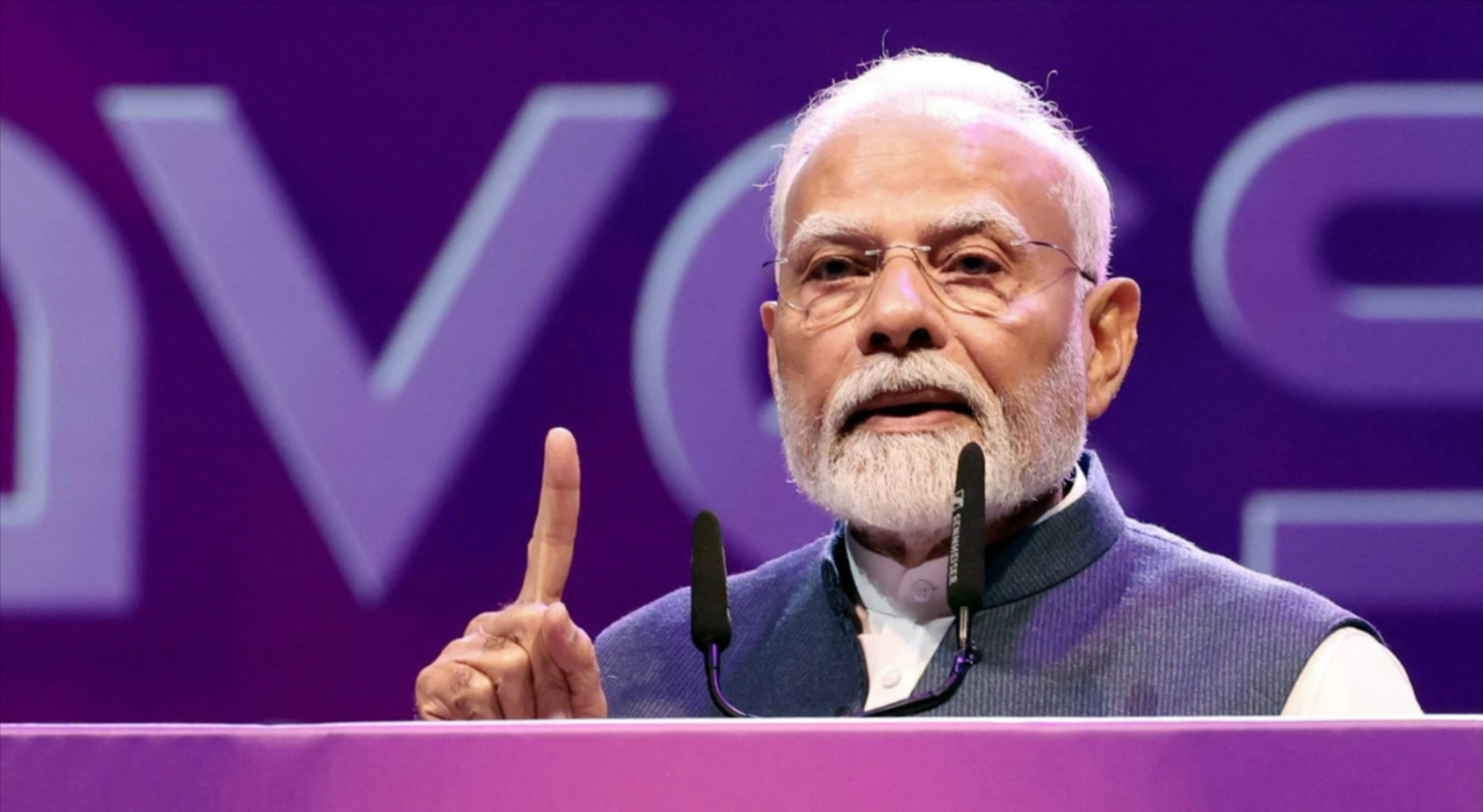
During the WAVES Summit in Mumbai, Prime Minister Narendra Modi underlined India's developing position in the global creative economic sector. During his opening address, India earned the description of an "orange economy" because cultural and creative sectors drive both financial growth and job creation. Rajnikanth and Mukesh Ambani joined
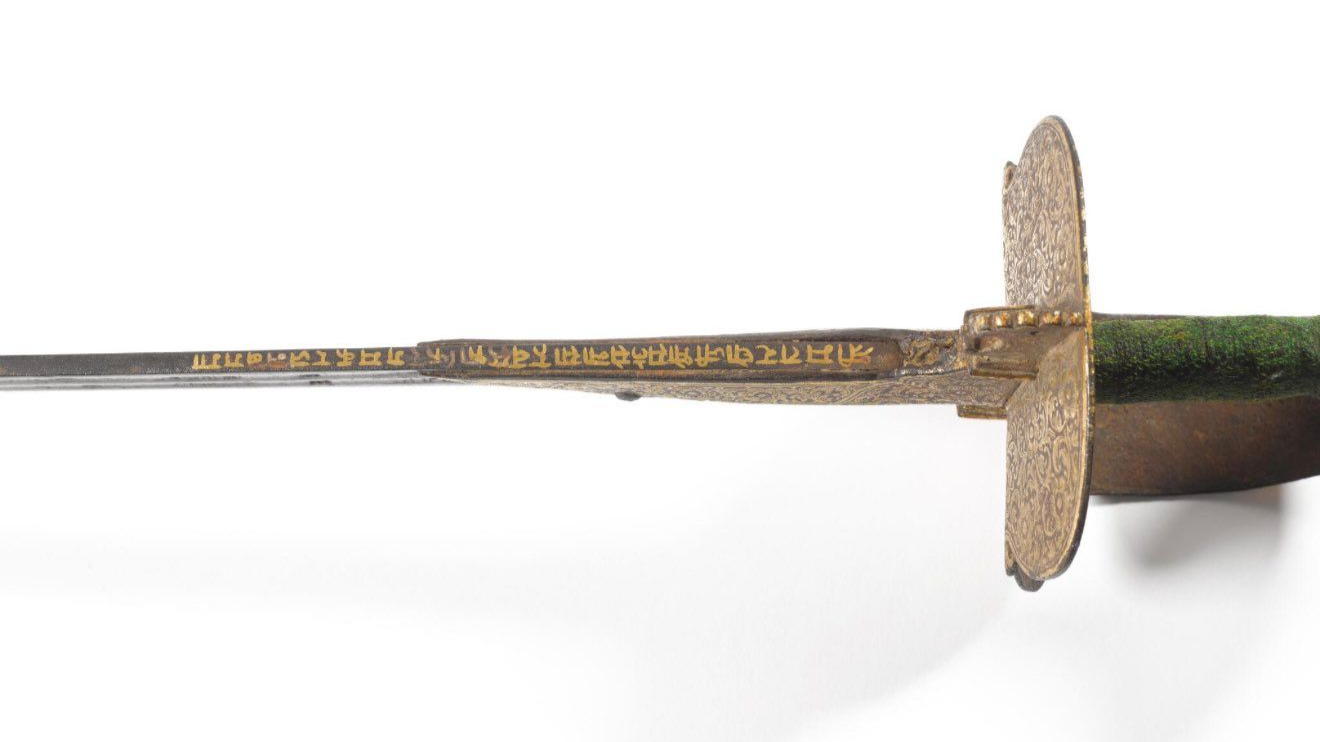
The Mahahtra government achieved a historical milestone by returning to India the historic sword of Raghuji Bhosale I during a Sotheby’s auction in London, which belonged to a notable 18th-century Maratha ruler. The state of Mahahtra achieves its first success in acquiring historical artifacts from international auctions. The bidding





Stay updated with The Hindu Editorial Vocab24 app, your definitive source for breaking news and comprehensive coverage from India and around the globe. Whether it's political developments, business updates, sports highlights, the latest technology trends, or current events, The Hindu brings live, accurate, and reliable news directly to your device.
Don’t fall for sensationalized or fake news shared online. Read and share accurate updates with friends and family through The Hindu Editorial Vocab24 app. Download it today!
News Coverage in The Hindu Editorial Vocab24 App
Breaking News: Receive instant notifications on breaking news stories as they unfold. Stay informed about major events and developments in India and around the world with live blogs, news in shorts videos, and concise articles.
Politics: Get the latest updates on Indian politics, including elections, policy changes, government decisions, and political events that shape the nation.
Business and Economy: Stay ahead in the economic landscape with detailed business news and market analysis. Learn about stock market trends, financial reports, corporate news, and economic developments to make informed investment decisions.
Current Events: Follow stories on social issues, policy changes, global events, and daily current affairs, tailored for UPSC and other competitive exam preparations.
Technology: Keep up with the latest gadgets, innovations, and tech trends. Read expert reviews and analyses in short, concise updates on cutting-edge technology from India and beyond.
Sports: Never miss a moment of your favorite sports. Get live scores, match reports, and expert analysis on cricket, football, tennis, and more.
International News: Stay informed about global events and geopolitical developments, including the Russia-Ukraine war, Israel-Palestine conflict, and other key international stories.
Local News: Stay connected to your community with the latest updates on city events, issues, and local news. Coverage includes hyperlocal updates from cities like Bangalore, Chennai, Delhi, Hyderabad, Mumbai, Kolkata, and more.
Trending Topics: Discover what's trending today with the most talked-about stories and hot topics across India and the world.
Experience journalism that values integrity, accuracy, and reliability. Download The Hindu Editorial Vocab24 app today and stay connected with the world.
Subscribe to our newsletter!







