

The battle for belagavi
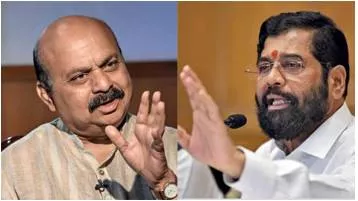
At the heart of the Belagavi dispute is a linguistic chauvinism that seeks to refute the existence of multilingual cultures and communities.The responsibility for the re-emergence of shrill linguistic chauvinism in Maharashtra and Karnataka over Belagavi lies with the political parties in both states, which have preferred to inflame sentiments than calm tempers. Governments in Mumbai and Bengaluru have allowed parochial groups to set the agenda and let the situation turn worse. Last week, Karnataka stopped politicians from Maharashtra, including an MP, at the inter-state border when they tried to travel to Belagavi to meet the agitators. Pro-Marathi and pro-Kannada groups have started protests, some of which turned violent last week. The Maharashtra and Karnataka legislative assemblies are poised to pass resolutions that frame a hardening of their respective stances. The warring parties must heed Home Minister Amit Shah, who has appealed to them to wait for a resolution from the Supreme Court, which is hearing a petition on the matter.
At the heart of the matter is Maharashtra’s claim over Belagavi, a city with a significant Marathi-speaking population, in Karnataka. Belagavi became a part of Karnataka, then Mysore state, when state borders were redrawn in 1960. Maharashtra has since been demanding the inclusion of Belagavi and a few hundred villages within its boundaries. It also rejected the recommendation of the 1966 Mahajan Commission, a panel set up by the Centre and headed by former Chief Justice of India Mehr Chand Mahajan, which ruled in Karnataka’s favour. Chauvinist outfits have kept stirring the pot and mainstream parties dip into it whenever they seek a distraction from bread-and-butter governance issues. The fact is Belagavi — and many other border towns and villages — have multilingual populations. While language has been central to the formation of social identities, it became a marker of state boundaries only after Independence. Languages travelled with traders, craftsmen, missionaries, soldiers, and even clerks, and multilingual societies were created as kingdoms and states were constituted and reconstituted. Multilingualism, which has a history of centuries, cross-fertilised the production of literature in Indian languages and the seamless transfer of ideas across linguistic subcultures.
When borders were redrawn to create linguistic states, care was taken to safeguard minority linguistic cultures. The state boundaries were expected to be soft borders that allowed bilingual or multilingual communities to flourish, as they did in the past. Maharashtra and Karnataka, like most linguistic states in India, are relatively new entities while the geographies they encompass have been home to bilingual and multilingual communities and cultures for centuries. The rich music, theatre, cinema and literature of both these states have been shaped by the uninhibited mixing of linguistic cultures. The people who carry the flag of monolingualism are ignorant of both the history and culture of their own states and the country.












Stay updated with The Hindu Editorial Vocab24 app, your definitive source for breaking news and comprehensive coverage from India and around the globe. Whether it's political developments, business updates, sports highlights, the latest technology trends, or current events, The Hindu brings live, accurate, and reliable news directly to your device.
Don’t fall for sensationalized or fake news shared online. Read and share accurate updates with friends and family through The Hindu Editorial Vocab24 app. Download it today!
News Coverage in The Hindu Editorial Vocab24 App
Breaking News: Receive instant notifications on breaking news stories as they unfold. Stay informed about major events and developments in India and around the world with live blogs, news in shorts videos, and concise articles.
Politics: Get the latest updates on Indian politics, including elections, policy changes, government decisions, and political events that shape the nation.
Business and Economy: Stay ahead in the economic landscape with detailed business news and market analysis. Learn about stock market trends, financial reports, corporate news, and economic developments to make informed investment decisions.
Current Events: Follow stories on social issues, policy changes, global events, and daily current affairs, tailored for UPSC and other competitive exam preparations.
Technology: Keep up with the latest gadgets, innovations, and tech trends. Read expert reviews and analyses in short, concise updates on cutting-edge technology from India and beyond.
Sports: Never miss a moment of your favorite sports. Get live scores, match reports, and expert analysis on cricket, football, tennis, and more.
International News: Stay informed about global events and geopolitical developments, including the Russia-Ukraine war, Israel-Palestine conflict, and other key international stories.
Local News: Stay connected to your community with the latest updates on city events, issues, and local news. Coverage includes hyperlocal updates from cities like Bangalore, Chennai, Delhi, Hyderabad, Mumbai, Kolkata, and more.
Trending Topics: Discover what's trending today with the most talked-about stories and hot topics across India and the world.
Experience journalism that values integrity, accuracy, and reliability. Download The Hindu Editorial Vocab24 app today and stay connected with the world.
Subscribe to our newsletter!







