

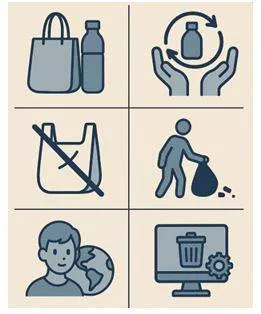
Tackling plastic waste sustainable solutions for a cleaner planet
IntroductionPlastic, once hailed as a revolutionary material for its durability, versatility, and low cost, has now become one of the most pressing environmental challenges of the 21st century. Every year, over 400 million tons of plastic are produced globally, and at least 8 million tons end up in oceans, harming marine life and polluting ecosystems. From plastic bottles and bags to microplastics in cosmetics, the pervasiveness of plastic waste threatens not only wildlife and habitats but also human health and food security. Urgent action is needed to curb this crisis, and fortunately, a wide range of strategies—spanning individual, community, industry, and government levels—can help reduce plastic waste significantly.
________________________________________ 1. Embrace Reusables and Reject Single-Use Plastics
The most effective way to reduce plastic waste is to avoid it in the first place. Single-use plastics—like straws, bags, cutlery, and bottles—constitute a major portion of plastic pollution. Shifting to reusable alternatives can drastically reduce this load. Individuals can:
• Carry cloth or jute bags for shopping
• Use stainless steel or glass bottles instead of buying bottled water
• Opt for metal straws and bamboo cutlery
• Use reusable containers for food storage and takeout
Even small, consistent changes in daily behavior can make a large cumulative impact when practiced across a population.
________________________________________ 2. Promote Waste Segregation and Recycling
Improper waste disposal is a major reason plastic ends up in the environment. Effective waste segregation at source—dividing waste into biodegradable and non-biodegradable—ensures plastics are collected separately and sent for recycling.
Governments and municipalities must:
• Implement door-to-door waste collection
• Establish Material Recovery Facilities (MRFs)
• Enforce strict policies on source segregation
At an individual level, citizens should:
• Learn to identify recyclable plastics
• Clean and dry plastic items before recycling
• Encourage neighbors and local groups to follow best practices
Recycling reduces the need for virgin plastic production and helps build a circular economy.
________________________________________ 3. Encourage Extended Producer Responsibility (EPR)
Extended Producer Responsibility (EPR) is a policy approach where manufacturers are held accountable for the entire lifecycle of their plastic products, especially the post-consumer stage. Under EPR, companies are required to:
• Take back used packaging from consumers
• Fund collection and recycling infrastructure
• Shift to eco-friendly packaging materials
This forces brands to rethink product design and encourages the development of sustainable alternatives. Countries like Germany and Japan have implemented EPR policies effectively, significantly lowering their plastic footprints.
________________________________________ 4. Ban or Tax Harmful Plastics
Government regulation plays a crucial role in reducing plastic use. Plastic bag bans, levies on packaging, and restrictions on microbeads in personal care products have proven effective in many countries. For example:
• Kenya has one of the strictest bans on plastic bags, with heavy fines and jail terms
• Ireland’s plastic bag tax led to a 90% reduction in usage within weeks
• The European Union has banned single-use plastics like straws, cutlery, and stirrers
Regulations must be paired with enforcement and public awareness campaigns to be successful.
________________________________________ 5. Innovate with Biodegradable Alternatives
A key challenge is finding replacements for plastic that are environmentally friendly and economically viable. Innovations in sustainable materials include:
• Bioplastics made from corn starch or sugarcane
• Edible packaging using seaweed, rice, or gelatin
• Plant-based fibers for bags, utensils, and containers
Startups and research institutions are actively working on scalable, biodegradable options. Governments can support these efforts through R&D grants, tax incentives, and green certification programs.
________________________________________ 6. Organize Community Clean-Up Drives
Public participation is essential in managing plastic waste. Beach cleanups, city-wide plastic audits, and school campaigns not only help remove plastic waste from the environment but also raise awareness about the issue.
Successful examples:
• The Versova Beach cleanup in Mumbai, led by Afroz Shah, removed over 13 million kg of plastic waste
• The International Coastal Cleanup Day engages millions of volunteers globally to clear debris from shorelines
These efforts inspire civic responsibility and collective action.
________________________________________ 7. Educate and Involve the Youth
The youth are powerful agents of change. Schools and colleges can incorporate environmental education that includes:
• Workshops on plastic lifecycle and pollution
• DIY projects using recycled materials
• Plastic-free campus initiatives
Social media campaigns led by students can amplify the message and build a culture of sustainability. Movements like Fridays for Future have shown the potential of youth-led activism in influencing policy and public opinion.
________________________________________ 8. Leverage Technology and AI for Waste Management
Technological solutions can enhance plastic waste management through:
• Smart bins that segregate waste automatically
• AI-based tracking of plastic usage in supply chains
• Blockchain for monitoring EPR compliance
In India, several startups are working on plastic-to-fuel conversion, chemical recycling, and upcycling plastic into construction materials. Investment in tech-driven waste management offers long-term dividends.
________________________________________ 9. Support Zero-Waste and Minimalist Lifestyles
Lifestyle shifts toward minimalism and zero-waste living can create a profound cultural shift. People can:
• Shop in bulk stores using their own containers
• Avoid over-packaged goods
• Use DIY cleaning products and cosmetics
Influencers and environmental bloggers have helped popularize these lifestyles, showing that living without plastic is not only possible but fulfilling.
________________________________________ 10. Collaborate Globally for a Plastic-Free Future
Plastic pollution is a global crisis that transcends borders. International collaboration is vital through:
• Global treaties like the UNEP Global Plastic Pollution Treaty (under negotiation)
• Funding for plastic cleanup in developing countries
• Knowledge sharing through platforms like UN Plastic Waste Partnership
Countries must share technology, align policies, and hold multinational corporations accountable for cross-border plastic flows.
________________________________________ Conclusion
The plastic waste problem is not insurmountable—but it demands immediate and multi-layered action. From changing individual habits to implementing robust policy frameworks and embracing innovation, there are numerous pathways to reduce plastic waste. The goal should not only be to clean up what already exists but to build systems that prevent plastic waste at the source. By working together—citizens, businesses, and governments—we can forge a sustainable, plastic-free future for generations to come.
The global water crisis a thirst for solutions
Jul 12, 2025






Stay updated with The Hindu Editorial Vocab24 app, your definitive source for breaking news and comprehensive coverage from India and around the globe. Whether it's political developments, business updates, sports highlights, the latest technology trends, or current events, The Hindu brings live, accurate, and reliable news directly to your device.
Don’t fall for sensationalized or fake news shared online. Read and share accurate updates with friends and family through The Hindu Editorial Vocab24 app. Download it today!
News Coverage in The Hindu Editorial Vocab24 App
Breaking News: Receive instant notifications on breaking news stories as they unfold. Stay informed about major events and developments in India and around the world with live blogs, news in shorts videos, and concise articles.
Politics: Get the latest updates on Indian politics, including elections, policy changes, government decisions, and political events that shape the nation.
Business and Economy: Stay ahead in the economic landscape with detailed business news and market analysis. Learn about stock market trends, financial reports, corporate news, and economic developments to make informed investment decisions.
Current Events: Follow stories on social issues, policy changes, global events, and daily current affairs, tailored for UPSC and other competitive exam preparations.
Technology: Keep up with the latest gadgets, innovations, and tech trends. Read expert reviews and analyses in short, concise updates on cutting-edge technology from India and beyond.
Sports: Never miss a moment of your favorite sports. Get live scores, match reports, and expert analysis on cricket, football, tennis, and more.
International News: Stay informed about global events and geopolitical developments, including the Russia-Ukraine war, Israel-Palestine conflict, and other key international stories.
Local News: Stay connected to your community with the latest updates on city events, issues, and local news. Coverage includes hyperlocal updates from cities like Bangalore, Chennai, Delhi, Hyderabad, Mumbai, Kolkata, and more.
Trending Topics: Discover what's trending today with the most talked-about stories and hot topics across India and the world.
Experience journalism that values integrity, accuracy, and reliability. Download The Hindu Editorial Vocab24 app today and stay connected with the world.
Subscribe to our newsletter!







