

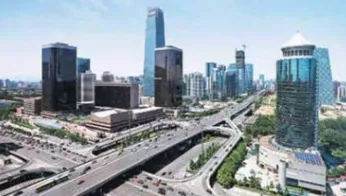
Smartness isn’t enough
Ninety cities are now under the ambit of India’s Smart Cities Mission. However, bold policy measures and big infrastructure investments are likely to fall short if they don’t factor in climate change. As Indian cities are becoming smarter, they are also getting hotter, facing erratic rainfall and experiencing extreme events. The deluge -like situation in parts of Gujarat, heavy flooding in Assam, heatwaves across northern and eastern India over the last two months, or the one-in-a-hundred year rainfall episode in Chennai in 2015 underpin the vulnerability of urban areas to changing climate. A recent analysis by the Council on Energy, Environment and Water (CEEW), University of East Anglia, Mott MacDonald and the UK’s Foreign and Commonwealth Office shows that temperatures in the smart cities of Madhya Pradesh are likely to increase by 1-1.5°C by the middle of the century. Another analysis by CEEW, IIT Gandhinagar and IIM Ahmedabad finds that extreme precipitation events are likely to increase in the future. These changes will test the capacity of urban infrastructure and associated services. A long life time, design and material considerations as well as sensitivity of performance to climate makes infrastructure vulnerable. For instance, heat may adversely impact the power output of gas-turbine and steam-based electricity generation, thereby creating a demand-supply gap. This could result in the need for installing additional capacity to meet power requirements when conditions are hotter. Similarly, high temperatures can damage road surfaces, bridges and railway tracks. It’s, of course, well-known that heavy rainfall disrupts road and rail transportation services. The Smart City proposals show that these urban centres will rely much on information and communication technology (ICT). Energy use, transport, water, sanitation and solid waste management are also core elements of these proposals. Protecting infrastructure investments against a changing climate will entail at least four steps. First, carry out regular risk assessments. In the context of infrastructure, this means addressing questions such as the likelihood of buckling of railways under a 4°C temperature rise or a one-in-hundred year rainfall event. It also involves assessing the impacts on emergency services associated with electricity disruptions due to extreme heat. The answers to such questions will help cities refine risk management programmes. Though climate risk assessments have been carried out for selected cities, there is apprehension that these would be one-time exercises. Given the dynamic nature of climate risks, the assessments need to be updated regularly. Second, adopt technical standards that consider climate change. City governments often share a request for proposals (RFPs) as part of the procurement process for various services. These RFPs could specify technical parameters (for example, heat-resistant pavement materials) or standards (for example, ISO) that align with climate transitions. For instance, private companies bidding for road contracts could use polymer modified bituminous materials that can typically withstand temperatures in excess of 40°C. Or, information on future rainfall extremes could be used while designing city drainage systems. Third, address interdependencies. Infrastructure components are highly interconnected: Electricity failures could disrupt transport or ICT services, transport disruption, in turn, could affect emergency health services. The failure of one set of infrastructure can amplify risks across other sectors. It is important to map these interconnections as well as study whether current governance structures are adequate to address the associated risks. Fourth, develop innovative financial instruments. Very often, infrastructure project finance does not account for future climate risks as part of the risk portfolio. New debt instruments such as climate- resilience bonds could be used to insure infrastructure against specific climate risks. Such bonds would spread risk across multiple investors while borrowing money from the debt market. Investors would receive market or higher rates of return until the onset of an adverse climate event, after which they would forfeit capital up to their investment liability. Prudent use of financial instruments could hedge against future climate risks. Our re-imagined urban future has to include climate resilience at its core.










Stay updated with The Hindu Editorial Vocab24 app, your definitive source for breaking news and comprehensive coverage from India and around the globe. Whether it's political developments, business updates, sports highlights, the latest technology trends, or current events, The Hindu brings live, accurate, and reliable news directly to your device.
Don’t fall for sensationalized or fake news shared online. Read and share accurate updates with friends and family through The Hindu Editorial Vocab24 app. Download it today!
News Coverage in The Hindu Editorial Vocab24 App
Breaking News: Receive instant notifications on breaking news stories as they unfold. Stay informed about major events and developments in India and around the world with live blogs, news in shorts videos, and concise articles.
Politics: Get the latest updates on Indian politics, including elections, policy changes, government decisions, and political events that shape the nation.
Business and Economy: Stay ahead in the economic landscape with detailed business news and market analysis. Learn about stock market trends, financial reports, corporate news, and economic developments to make informed investment decisions.
Current Events: Follow stories on social issues, policy changes, global events, and daily current affairs, tailored for UPSC and other competitive exam preparations.
Technology: Keep up with the latest gadgets, innovations, and tech trends. Read expert reviews and analyses in short, concise updates on cutting-edge technology from India and beyond.
Sports: Never miss a moment of your favorite sports. Get live scores, match reports, and expert analysis on cricket, football, tennis, and more.
International News: Stay informed about global events and geopolitical developments, including the Russia-Ukraine war, Israel-Palestine conflict, and other key international stories.
Local News: Stay connected to your community with the latest updates on city events, issues, and local news. Coverage includes hyperlocal updates from cities like Bangalore, Chennai, Delhi, Hyderabad, Mumbai, Kolkata, and more.
Trending Topics: Discover what's trending today with the most talked-about stories and hot topics across India and the world.
Experience journalism that values integrity, accuracy, and reliability. Download The Hindu Editorial Vocab24 app today and stay connected with the world.
Subscribe to our newsletter!







