

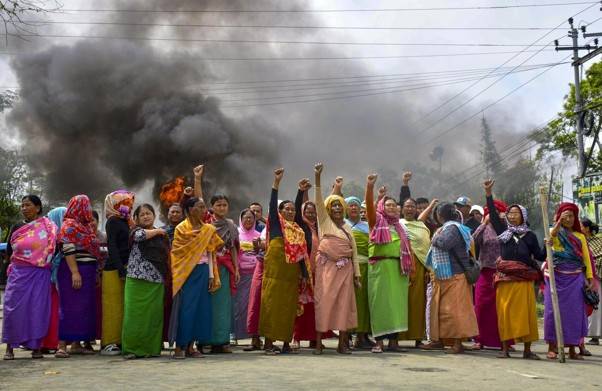
SIR in Manipur is a pathway to exclusion
Manipur is one of the States covered under Phase III of the Special Intensive Revision (SIR) of electoral rolls being implemented by the Election Commission of India (ECI) currently. The SIR has already drawn adverse criticism from civil society organisations and the Opposition, particularly after the recent Bihar and West Bengal elections, due to its hasty, disproportionate and summary deletion of voters from voters’ lists, resulting in the disenfranchisement of large sections of politically “undesirable” communities and voters. Concerns have been expressed by informed citizens about the lack of transparency and often blatant bias of the State and the ruling party in relation to the SIR, and its relationship with the planned delimitation, the 2029 elections and perhaps even an oddly timed Census. These concerns apply to Manipur as well. In addition, there are features of the situation in Manipur that are little known outside — and even within — the State, making the implementation of the SIR in Manipur even more egregious.Fractured social fabric
First, Manipur has been in the throes of an intense ethnic conflict involving the majority Meiteis (54% of the population, inhabiting the dense Imphal Valley), the Kuki-Zo peoples (15%, inhabiting the surrounding hills) and, more recently, the Manipuri Nagas (26%, mainly in the northern part of Manipur). It has resulted in over 260 deaths in pogroms, attacks, and retaliatory violence; displaced some 60,000 people within and outside Manipur; led to the burning of hundreds of villages and places of worship; and witnessed unimaginable atrocities, including beheadings, dismemberment, and rapes as forms of collective punishment, disproportionately inflicted on the Kuki-Zo.
It has led to a demand by the Kuki-Zo for a ‘Separate Administration’ for themselves — and an equally stout opposition by the Meiteis to it — while many Manipuri Nagas led by the National Socialist Council of Nagalim (Isak-Muivah), or NSCN-IM, remain committed to their decades old demand for integration of Naga-inhabited areas in a sovereign ‘Nagalim’. Many are backed by political, militant and proscribed insurgent groups of diverse persuasions.
Three years after the start of the conflict, not a single case of violence has been brought to book through the courts. An Inquiry Commission formed by the Ministry of Home Affairs (MHA) has yet to present its report. Thousands of internally displaced persons languish in camps with little relief.
Ethnic divisions have worsened and spread. Long-standing Naga-Kuki hostilities have been added to the three-year-old Meitei-Kuki conflict marked by the burning of villages (mostly Kuki), ambushes, and recently in May, the killing of three Thadou-Kuki pastors, and, in retaliation, tit-for-tat hostage-taking and the horrific killing of six Nagas in Kuki custody that has in turn set off a full economic blockade of Kangpokpi district. In response, State and central security forces have appeared passive, paralysed and at times, biased.
The conduct of the State government has been widely viewed as partisan, but the role of the Centre and even courts cannot be said to be above board. Conducting the SIR under these conditions, under a pretence of normalcy, is inexplicable.
Narratives driving electoral exclusion
Second, unlike the rest of the country, where the SIR is being driven by the central government through the ECI with the partisan support of the ruling party, in Manipur the demand to “cleanse” the State of alleged “illegal migrants” — a code word for Kukis — is in line with perceptions of politically radicalised Meiteis and Manipuri Nagas, who together constitute about 80% of the population. These allegations have no basis in Census figures for over a century, and are based on recent distortions of history, fake narratives and loud propaganda that feed directly into the SIR exercise. They create a very negative environment for a fair SIR, particularly in mixed areas, that is itself, ipso facto, biased against certain communities.
Third, there are several features peculiar to the Kukis themselves that lend themselves to their victimisation by the SIR. The first reason is that close to 50,000 Kuki-Zo remain displaced and scattered in Manipur and outside. There does not seem to be any provision in place for their fair enumeration.
The second reason is that together with their displacement, many are known to have lost many of their identity, residence, election, education and other documents that could have helped establish their voter credentials. There are visual records of Kuki-Zo educational certificates, Aadhaar cards, and driving licences in Imphal being destroyed after the violence of May 2023.
The third reason is that customary naming systems — where names are derived from the last syllable of complex parental names, nicknames often substitute formal names, and names are converted from tribal names to English orthography — create vast scope “logical discrepancies”, making people far more vulnerable to exclusion than in States such as West Bengal. Possibly, more than 90% of Kuki-Zo people are unlikely to be able to produce a single, consistent spelling of their own names, let alone maintain consistency across generations.
The fourth reason is that by some historical anomaly, Manipuri tribals, both Kuki-Zo and Naga, do not enjoy Sixth Schedule status, although they enjoy some measure of autonomy under Article 371C and very weak Autonomous Councils.
This served them well during periodic bouts of violence and displacement, most recently during the Naga-Kuki violence of the 1990s, which again disproportionately affected the Kukis. Village chiefs and local authorities were then able to certify the identities of villagers under their jurisdiction. Such arrangements are unlikely to be recognised in the present exercise and prevailing atmosphere.
Finally, the Kuki-Zo leadership appears, for some reason, unaware of the nature, motivations, and implications of the SIR exercise. They seem to believe, perhaps naively, that as Indian citizens who have lived here all their lives and in possession of necessary documents, including voter ID cards, they have nothing to fear, and that opposing the exercise would amount to an admission of guilt. The dangers of the SIR now appear to be dawning on them, with some Kuki-Zo civil society organisations issuing statements highlighting its shortcomings, although opposition has yet to take a political form.
Safeguarding belonging
A nationwide SIR is now a fait accompli following the ruling by the Supreme Court of India in its favour. However, the process can still be made fairer and more sensitive to the risks of exclusion. Unless measures are adopted to limit its potential harm, by 2029 we may see a pathway to statelessness not only for the Kuki-Zo but also for other tribal communities in the Northeast, with their plight obscured amid the broader exclusion and disenfranchisement of Muslims labelled as “illegal migrants”.
Manipur’s Special Intensive Revision of electoral rolls risks deepening exclusion amid ethnic conflict, displacement, and identity challenges
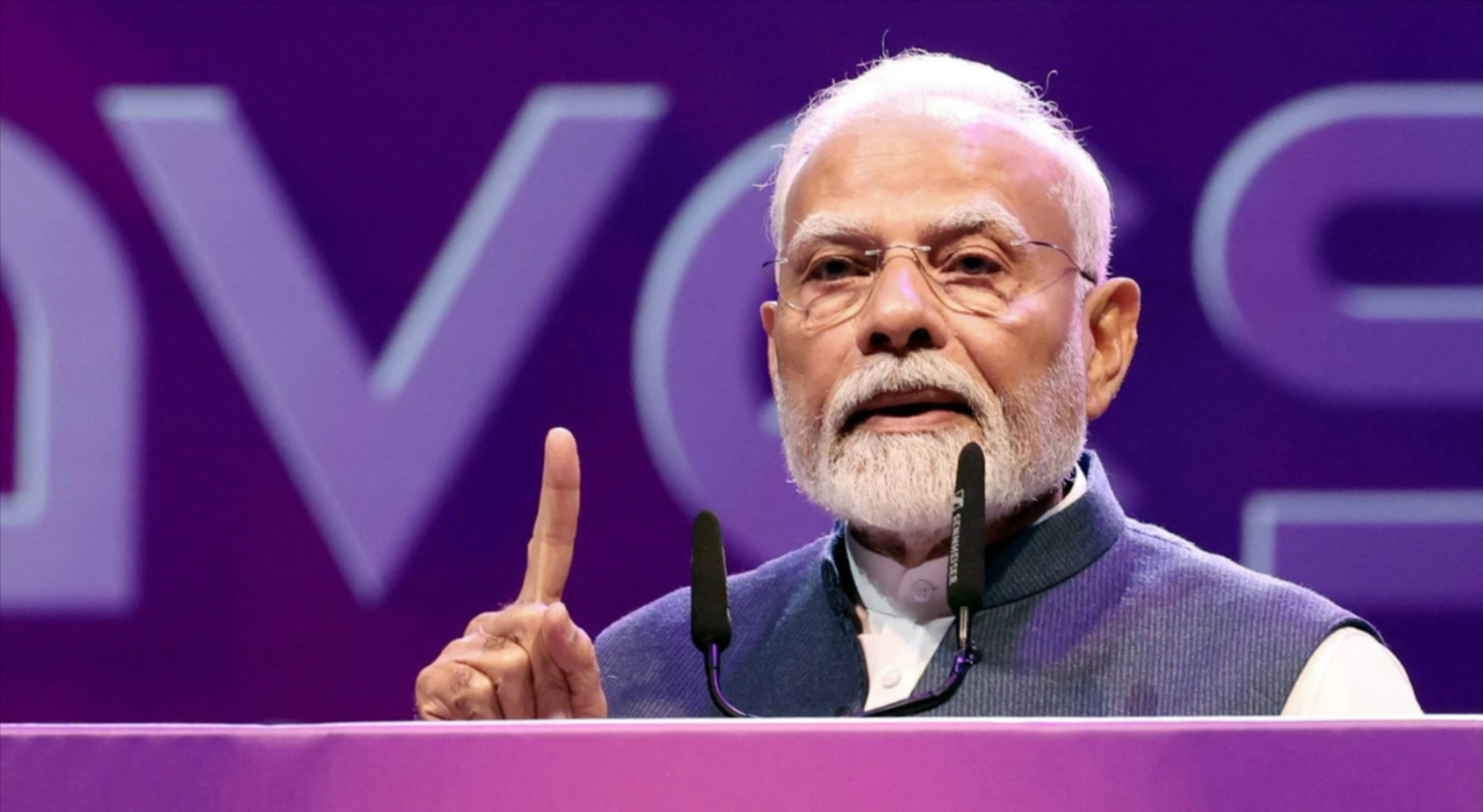
During the WAVES Summit in Mumbai, Prime Minister Narendra Modi underlined India's developing position in the global creative economic sector. During his opening address, India earned the description of an "orange economy" because cultural and creative sectors drive both financial growth and job creation. Rajnikanth and Mukesh Ambani joined
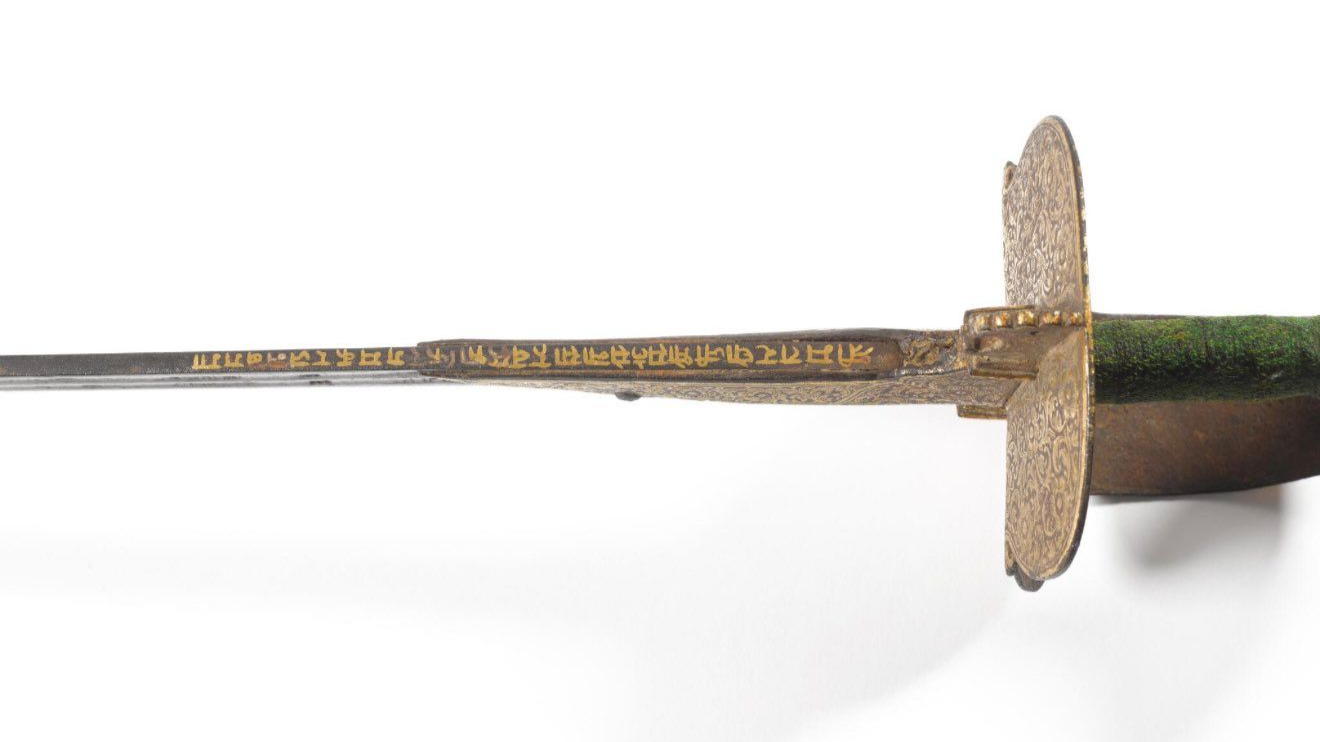
The Mahahtra government achieved a historical milestone by returning to India the historic sword of Raghuji Bhosale I during a Sotheby’s auction in London, which belonged to a notable 18th-century Maratha ruler. The state of Mahahtra achieves its first success in acquiring historical artifacts from international auctions. The bidding





Stay updated with The Hindu Editorial Vocab24 app, your definitive source for breaking news and comprehensive coverage from India and around the globe. Whether it's political developments, business updates, sports highlights, the latest technology trends, or current events, The Hindu brings live, accurate, and reliable news directly to your device.
Don’t fall for sensationalized or fake news shared online. Read and share accurate updates with friends and family through The Hindu Editorial Vocab24 app. Download it today!
News Coverage in The Hindu Editorial Vocab24 App
Breaking News: Receive instant notifications on breaking news stories as they unfold. Stay informed about major events and developments in India and around the world with live blogs, news in shorts videos, and concise articles.
Politics: Get the latest updates on Indian politics, including elections, policy changes, government decisions, and political events that shape the nation.
Business and Economy: Stay ahead in the economic landscape with detailed business news and market analysis. Learn about stock market trends, financial reports, corporate news, and economic developments to make informed investment decisions.
Current Events: Follow stories on social issues, policy changes, global events, and daily current affairs, tailored for UPSC and other competitive exam preparations.
Technology: Keep up with the latest gadgets, innovations, and tech trends. Read expert reviews and analyses in short, concise updates on cutting-edge technology from India and beyond.
Sports: Never miss a moment of your favorite sports. Get live scores, match reports, and expert analysis on cricket, football, tennis, and more.
International News: Stay informed about global events and geopolitical developments, including the Russia-Ukraine war, Israel-Palestine conflict, and other key international stories.
Local News: Stay connected to your community with the latest updates on city events, issues, and local news. Coverage includes hyperlocal updates from cities like Bangalore, Chennai, Delhi, Hyderabad, Mumbai, Kolkata, and more.
Trending Topics: Discover what's trending today with the most talked-about stories and hot topics across India and the world.
Experience journalism that values integrity, accuracy, and reliability. Download The Hindu Editorial Vocab24 app today and stay connected with the world.
Subscribe to our newsletter!







