

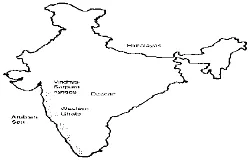
Saving the ghats
The hesitation shown by the Central government in deciding upon full legal protection for one of its most prized natural assets, the Western Ghats in their totality, is a major disappointment. The idea that whatever is left of these fragile mountainous forests should be protected from unsustainable exploitation in the interests of present and future generations, while presenting sustainable ways of living to the communities that inhabit these landscapes, is being lost sight of. Quite unscientifically, the issue is being framed as one of development-versus-conservation. Given the weak effort at forging a consensus, there is little purpose in the Centre returning to the drawing board with another draft notification to identify ecologically sensitive areas. What it needs is a framework under which scientific evidence and public concerns are debated democratically and the baseline for ESAs arrived at. It is accepted, for instance, that the Ghats play an irreplaceable role in mediating the monsoon over the country and the forests harbour a rich biodiversity that has not even been fully studied. New species continue to emerge each year in an area that has endemic plants and animals, although, as the scientist Norman Myers wrote nearly two decades ago, only 6.8% of primary vegetation out of the original 182,500 sq km remains in the Western Ghats and Sri Lanka taken together. The ecologically sensitive nature of the forests stretching 1,600 km along the western coast as a global biodiversity hotspot was emphasised by the Western Ghats Ecology Expert Panel headed by Madhav Gadgil, while for conservation purposes, the Kasturirangan Committee identified only a third of the total area. Both expert groups have encountered resistance from State governments and industries, although they mutually differ in their recommendations. The question that needs speedy resolution is how much of the Western Ghats can be demarcated as ecologically sensitive, going beyond the system of national parks and sanctuaries that already exist. As a corollary, are other areas free to be exploited for industrial activity, including mining and deforestation, with no environmental consequences? A frequently cited example of destruction is the loss of ecology in Goa due to rampant, illegal mining. More complicated is the assessment of ecosystem services delivered by the forests, lakes, rivers and their biodiversity to communities. Mr. Gadgil, for instance, has underscored the unique value of some locations, such as those with fish or medicinal plant diversity peculiar to a small area, which should not get lost in the assessment process. All this points to the need for wider and more open consultation with people at all levels, imbuing the process with scientific insights. The sooner this is done the better. Several options to spare sensitive areas will emerge, such as community-led ecological tourism and agro-ecological farming. A national consultative process is urgently called for.








Stay updated with The Hindu Editorial Vocab24 app, your definitive source for breaking news and comprehensive coverage from India and around the globe. Whether it's political developments, business updates, sports highlights, the latest technology trends, or current events, The Hindu brings live, accurate, and reliable news directly to your device.
Don’t fall for sensationalized or fake news shared online. Read and share accurate updates with friends and family through The Hindu Editorial Vocab24 app. Download it today!
News Coverage in The Hindu Editorial Vocab24 App
Breaking News: Receive instant notifications on breaking news stories as they unfold. Stay informed about major events and developments in India and around the world with live blogs, news in shorts videos, and concise articles.
Politics: Get the latest updates on Indian politics, including elections, policy changes, government decisions, and political events that shape the nation.
Business and Economy: Stay ahead in the economic landscape with detailed business news and market analysis. Learn about stock market trends, financial reports, corporate news, and economic developments to make informed investment decisions.
Current Events: Follow stories on social issues, policy changes, global events, and daily current affairs, tailored for UPSC and other competitive exam preparations.
Technology: Keep up with the latest gadgets, innovations, and tech trends. Read expert reviews and analyses in short, concise updates on cutting-edge technology from India and beyond.
Sports: Never miss a moment of your favorite sports. Get live scores, match reports, and expert analysis on cricket, football, tennis, and more.
International News: Stay informed about global events and geopolitical developments, including the Russia-Ukraine war, Israel-Palestine conflict, and other key international stories.
Local News: Stay connected to your community with the latest updates on city events, issues, and local news. Coverage includes hyperlocal updates from cities like Bangalore, Chennai, Delhi, Hyderabad, Mumbai, Kolkata, and more.
Trending Topics: Discover what's trending today with the most talked-about stories and hot topics across India and the world.
Experience journalism that values integrity, accuracy, and reliability. Download The Hindu Editorial Vocab24 app today and stay connected with the world.
Subscribe to our newsletter!







