

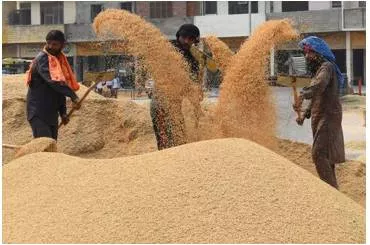
Reimagining food systems with lessons from india
With an alarming escalation in global hunger unfolding, reaching the goal of an equitable livelihood is a necessity.The first and historic United Nations Food Systems Summit (UNFSS) 2021 which was held in September this year, concluded after an intense ‘bottom-up’ process conceived in 2019 by UN Secretary-General António Guterres to find solutions and ‘catalyse momentum’ to transform the way the world produces, consumes, and thinks about food and help address rising hunger.
In terms of larger goals, the food system transformation is considered essential in achieving the sustainable development agenda 2030. This makes strong sense as 11 Sustainable Development Goals (SDGs) out of 17 are directly related to the food system.
The summit involved several activities before the run-up to the meeting of the Head of States on September 23. While the dialogues on the five tracks identified have been under way for the past 18 months, the world has seen the fragility and vulnerability of food systems, highlighted by the disruptive impact of the COVID-19 pandemic that is projected to double the global hunger figure.
Why the Food Systems Summit and what is the expectation from its outcome? Global food systems — the networks that are needed to produce and transform food, and ensure it reaches consumers, or the paths that food travels from production to plate — are in a state of crisis in many countries affecting the poor and the vulnerable. The flaws in food systems affect us all, but most of all they are affecting 811 million people in the world who go to bed hungry each night.
The summit created a mechanism for serious debates involving UN member states, civil society, non-governmental organisations, academics, researchers, individuals, and the private sector, which is to evolve transformative themes and ideas for reimagining food systems to enhance satisfaction of all stakeholders including future generations. The debate and response focused on five identified action tracks namely: Ensure access to safe and nutritious food for all; Shift to sustainable consumption patterns; Boost nature-positive production; Advance equitable livelihoods, and Build resilience to vulnerabilities, shocks, and stress.
The summit provided a historic opportunity to empower all people to leverage the power of food systems to drive our recovery from the COVID-19 pandemic and get us back on track to achieve all 17 SDGs by 2030.
The Statement of Action emerging from the summit offers a concise set of ambitious, high-level principles and areas for action to support the global call to “Build back better” after the COVID-19 pandemic.
India constituted an inter-departmental group under the Chairmanship of one of us, with representatives from the Ministries of Agriculture and Farmers’ Welfare, Rural Development, and others. Delhi-based U.N. agencies namely the Food and Agriculture Organization (FAO), the World Food Programme (WFP), and the International Fund for Agricultural Development (IFAD) were also actively involved in the dialogue process. The group conducted national dialogues with various stakeholders of agri-food systems to explore national pathways towards creating sustainable and equitable food systems in India. Several individuals and civil society organisations contributed ideas to the portal which was created for this purpose.
Helping the developing world
There are lessons from India’s tryst with food insecurity. Several themes that have emerged in the discussions and dialogues leading up to the summit find resonance with India’s past and ongoing journey towards creating and improving food and livelihood security. The long journey from chronic food shortage to surplus food producer offers several interesting lessons for other developing countries in Asia, Africa, and Latin America in the area of land reforms, public investments, institutional infrastructure, new regulatory systems, public support, and intervention in agri markets and prices and agri research and extension.
The period between 1991 to 2015, saw the diversification of agriculture beyond field crops and brought greater focus on the horticulture, dairy, animal husbandry, and fishery sectors. The learnings encompassed elements of nutritional health, food safety and standards, sustainability, deployment of space technology, and the like.
Safety nets, challenges
One of India's greatest contributions to equity in food is its National Food Security Act 2013 that anchors the Targeted Public Distribution System (TPDS), the Mid-Day meals (MDM), and the Integrated Child Development Services (ICDS). Today, India’s food safety nets collectively reach over a billion people.
Food safety nets and inclusion are linked with public procurement and buffer stock policy. This was visible during the global food crises 2008-2012 and more recently during the COVID-19 pandemic fallout, whereby vulnerable and marginalised families in India continued to be buffered against the food crisis by its robust TPDS and buffer stock of food grains.
A look at the challenges and the way forward towards 2050. Climate change and unsustainable use of land and water resources are the most formidable challenges food systems face today. The latest Intergovernmental Panel on Climate Change (IPCC) report has set the alarm bells ringing, highlighting the urgency to act now.
Dietary diversity, nutrition, and related health outcomes are another area of concern as a focus on rice and wheat has created nutritional challenges of its own. India has taken a bold decision to fortify rice supplied through the Public Distribution System with iron. Agricultural research institutes are about to release varieties of many crops having much higher nutrition as a long-term solution for undernutrition and malnutrition.
Surplus and low nutrition
It is ironic that despite being a net exporter and food surplus country at the aggregate level, India has a 50% higher prevalence of undernutrition compared to the world average. But the proportion of the undernourished population declined from 21.6% during 2004-06 to 15.4% during 2018-20. The high prevalence of undernutrition in the country does not seem to be due to food shortage or the low availability of food. The Government of India and States are seriously concerned about this paradoxical situation of being food surplus and at the same time, having 15% of the population undernourished. They are trying to address other possible reasons for low nutrition through several nutritional interventions. As announced recently, the supply of fortified rice in PDS and Poshan Abhiyan are the two steps among many to address the challenge of undernutrition and malnutrition.
Reducing food wastage or loss of food is a mammoth challenge and is linked to the efficiency of the food supply chain. Food wastage in India exceeds ₹1-lakh crore.
Why the world must eliminate hunger is the next point. An alarming escalation in global hunger is unfolding, with the ‘dramatic worsening’ of world hunger in 2020, much of it likely related to the fallout of COVID-19. While the pandemic’s impact has yet to be fully mapped, ‘The State of Food Security and Nutrition in the World’ report, estimates that around a tenth of the global population was undernourished last year.
It is important to reiterate that hunger and food insecurity are key drivers of conflict and instability across the world. ‘Food is peace’, is a catchphrase often used to highlight how hunger and conflict feed on each other. The Nobel Peace Prize 2020 conferred on the United Nations WFP highlighted the importance of addressing hunger to prevent conflicts and create stability. The citation communiqué articulated this well by quoting the line: “Until the day we have a medical vaccine, food is the best vaccine against chaos.”
For equity, sustainability
We are on the cusp of a transformation to make the world free of hunger by 2030 and deliver promises for SDGs, with strong cooperation and partnership between governments, citizens, civil society organisations, and the private sector. We must collaborate to invest, innovate, and create lasting solutions in sustainable agriculture contribution to equitable livelihood, food security, and nutrition. India has so much to offer from its successes, and learning also, to prepare itself for the next 20 to 30 years. This surely requires reimagining the food system towards the goal of balancing growth and sustainability, mitigating climate change, ensuring healthy, safe, quality, and affordable food, maintaining biodiversity, improving resilience, and offering an attractive income and work environment to smallholders and youth. Achieving the goal of “Advancing equitable livelihood” requires that the food systems transformation is anchored around small- and medium-scale production, family farmers, indigenous peoples, women, and workers in food value chains.




Top court quashes FIRs against Gen Z protesters
Sep 04, 2026







Stay updated with The Hindu Editorial Vocab24 app, your definitive source for breaking news and comprehensive coverage from India and around the globe. Whether it's political developments, business updates, sports highlights, the latest technology trends, or current events, The Hindu brings live, accurate, and reliable news directly to your device.
Don’t fall for sensationalized or fake news shared online. Read and share accurate updates with friends and family through The Hindu Editorial Vocab24 app. Download it today!
News Coverage in The Hindu Editorial Vocab24 App
Breaking News: Receive instant notifications on breaking news stories as they unfold. Stay informed about major events and developments in India and around the world with live blogs, news in shorts videos, and concise articles.
Politics: Get the latest updates on Indian politics, including elections, policy changes, government decisions, and political events that shape the nation.
Business and Economy: Stay ahead in the economic landscape with detailed business news and market analysis. Learn about stock market trends, financial reports, corporate news, and economic developments to make informed investment decisions.
Current Events: Follow stories on social issues, policy changes, global events, and daily current affairs, tailored for UPSC and other competitive exam preparations.
Technology: Keep up with the latest gadgets, innovations, and tech trends. Read expert reviews and analyses in short, concise updates on cutting-edge technology from India and beyond.
Sports: Never miss a moment of your favorite sports. Get live scores, match reports, and expert analysis on cricket, football, tennis, and more.
International News: Stay informed about global events and geopolitical developments, including the Russia-Ukraine war, Israel-Palestine conflict, and other key international stories.
Local News: Stay connected to your community with the latest updates on city events, issues, and local news. Coverage includes hyperlocal updates from cities like Bangalore, Chennai, Delhi, Hyderabad, Mumbai, Kolkata, and more.
Trending Topics: Discover what's trending today with the most talked-about stories and hot topics across India and the world.
Experience journalism that values integrity, accuracy, and reliability. Download The Hindu Editorial Vocab24 app today and stay connected with the world.
Subscribe to our newsletter!







