

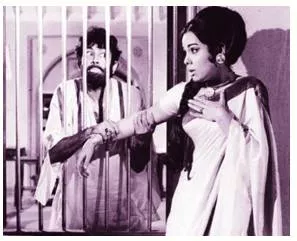
Portrayal of mental illnesses is just filmi
The manner in which Bollywood projects mental disorders is far removed from reality; it has failed to correctly address the issue of mental illnesses.We are in the midst of a pandemic, with this state of health emergency nearing two years. This drastic change in people’s lifestyles is taking a toll on their mental health, especially of the young. With Statista reporting that as of 2017, more than 14 per cent of India’s population suffered from variations of mental disorders, higher than the estimated world average of 10.7 per cent, one wonders what the post-pandemic position would be. I have firsthand experienced the mental state of students during COVID, especially the second wave, and wanted to explore the connection between cinema as a mass media tool to heighten awareness about mental health and illness.
Cinema as mass media is a powerful way to bring awareness and educate people on burning issues and mental health and mental illness will certainly be a burning topic post-COVID. With Hindi cinema leading the number of films a year in India, Bollywood sets the tone in changing opinions, thoughts and behaviour. It is certainly important to note that the tone and tenor of mental illness as represented by Bollywood has changed from the earlier broad term “madness” used.
According to movie magazines and commentators, of late Indian cinema has produced films on diverse topics of mental health and illness like Kaasav (2017) about depression, treatment, suicide, care and loneliness; Dear Zindagi (2016) about depression; Taare Zameen Par (2007) on dyslexia; Black (2005) depicting Alzheimer’s; 15 Park Avenue depicting schizophrenia; and Marathi film Devrai (2004) dealing with mental breakdown. Then there have been others which have varying themes of mental health: Judgementall Hai Kya and Chhichhore, both in 2019; Tamasha (2015); Barfi (2013); and My Name is Khan and Karthik Calling Karthik (both 2010).
Is there a correlation between increased mental health representation in Bollywood and the decreasing stigma? Did the movie Taare Zameen Par manage to do more for learning disorders like dyslexia than many psychiatrists put together, as has been written by the author in Vogue India’s October 2019 story “How Bollywood’s portrayal of mental illness has evolved over the last decade”? The answer is more complex than a simple “yes” or “no”.
First and foremost, dyslexia is a learning disability and not a mental illness. The fact that the author of the story bunched it with other mental illnesses is a reflection how mental health is not correctly understood. It may be secondary that psychologists admit that dyslexic people are very likely to present other kinds of learning disabilities or psychiatric disorders. Besides, if we analyse various movies based on the Theory of Reception Studies, it is not what the story writer, producer and director wants to convey, but what the audience understands — and that is based on the larger social and political context in which the film is produced and consumed.
In other words, how the audience makes sense of a movie is not a straightforward equation, but dependent on many factors. In the absence of any media research on the effects of movies across class and caste as well as across urban and rural areas, one cannot comment with any certainty. The parameter of a box office “hit” could be simply attributed to the entertainment aspect of the film without any social gains, or the film actually helping to reduce the stigma arising from mental health issues.
A study by Banwari published in 2011 found the Bollywood portrayal of a psychiatrist as mostly a middle aged male, clinically incompetent, being unable to make accurate diagnosis while breaching professional ethics and also frequently transgressing sexual and non-sexual boundaries. While another study by Pathak and Biswal in 2020 states that the use of mental illness as a topic of entertainment strengthens existing notions of mental illness. For example, the 2019 movie Judgementall Hai Kya was earlier titled ‘Mental Hai Kya’. The initial title itself is a depiction of how incorrectly society understands mental illness. The title was changed after widespread criticism. The movie depicts the use of Electroconvulsive therapy (ECT) without anesthesia, which is rarely done in real life. This one misrepresentation might have done more damage to the understanding of mental illness than all previous correct representations.
Things become more complicated than straightforward media messaging as another study by Pirkis, Blood, Francis & McCallum in 2006 says that portrayal of mental illness actually negatively influences public perception while sustaining stigma. Furthermore, unless changes in mental health policies parallel the changes in media portrayals, real progress becomes difficult to achieve. India has a very high suicide rate (especially in the 15-29 age group) which was 15.7 per lakh in 2015 while the global average was 10.6.
According to a 2018 story quoting reports, India needs about 13,000 psychiatrists and actually has 3,500. We need 20,000 clinical psychologists as against the 1,000 we have; need 35,000 psychiatric social workers against the current 900 and 30,000 psychiatric nurses against the 1,500 we possess.
One only needs to check responses and reactions in one’s family and friends when keywords like ‘mental illness’ and ‘psychiatrist’ are used. Meanwhile, I worry for various children and young adults in lockdown and other situations with misrepresented messaging by Bollywood and the overdependence of policy makers on mass media as messaging tools.
Can quad restrain wayward china
May 29, 2022
Concerns over finland sweden joining nato
May 22, 2022
Sustainability road to a better future
May 16, 2022
Aap lays out its goal
May 11, 2022
Shanghai covid crisis a test for xi’s leadership
May 09, 2022
The idea of universal equality
May 06, 2022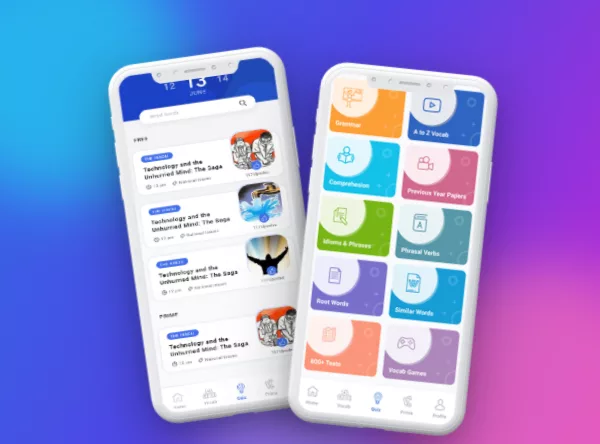




Stay updated with The Hindu Editorial Vocab24 app, your definitive source for breaking news and comprehensive coverage from India and around the globe. Whether it's political developments, business updates, sports highlights, the latest technology trends, or current events, The Hindu brings live, accurate, and reliable news directly to your device.
Don’t fall for sensationalized or fake news shared online. Read and share accurate updates with friends and family through The Hindu Editorial Vocab24 app. Download it today!
News Coverage in The Hindu Editorial Vocab24 App
Breaking News: Receive instant notifications on breaking news stories as they unfold. Stay informed about major events and developments in India and around the world with live blogs, news in shorts videos, and concise articles.
Politics: Get the latest updates on Indian politics, including elections, policy changes, government decisions, and political events that shape the nation.
Business and Economy: Stay ahead in the economic landscape with detailed business news and market analysis. Learn about stock market trends, financial reports, corporate news, and economic developments to make informed investment decisions.
Current Events: Follow stories on social issues, policy changes, global events, and daily current affairs, tailored for UPSC and other competitive exam preparations.
Technology: Keep up with the latest gadgets, innovations, and tech trends. Read expert reviews and analyses in short, concise updates on cutting-edge technology from India and beyond.
Sports: Never miss a moment of your favorite sports. Get live scores, match reports, and expert analysis on cricket, football, tennis, and more.
International News: Stay informed about global events and geopolitical developments, including the Russia-Ukraine war, Israel-Palestine conflict, and other key international stories.
Local News: Stay connected to your community with the latest updates on city events, issues, and local news. Coverage includes hyperlocal updates from cities like Bangalore, Chennai, Delhi, Hyderabad, Mumbai, Kolkata, and more.
Trending Topics: Discover what's trending today with the most talked-about stories and hot topics across India and the world.
Experience journalism that values integrity, accuracy, and reliability. Download The Hindu Editorial Vocab24 app today and stay connected with the world.
Subscribe to our newsletter!







