

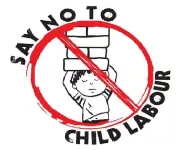
No time to work on child labour act
In a welcome move this week, India has ratified two key global conventions meant to keep children away from work, decades since they were originally adopted by the International Labour Organisation. Nonetheless, the scepticism aroused by the Child Labour (Prohibition and Regulation) Amendment Act, 2016 over the government’s commitment towards complete abolition of child labour will persist. The ILO treaties are about the minimum age at which a person may begin work and the hazardous industries where she may not. Crucially, conventions 138 and 182 of the United Nations body leave it to the member-states to determine what constitutes acceptable or unacceptable work for children at different ages. Such flexibility has given the Indian government wiggle room in adopting the international standards in question, even though the 2016 legislation falls several notches below a comprehensive prohibition of child labour. The Act contains the controversial provision that condones the employment of children below 14 years under the rubric of family enterprises and the declassification of several industries as hazardous occupations. The detrimental effects on the ground from these dilutions of the original 1986 Act could be widespread. With roughly 90% of the workforce continuing to remain outside the ambit of the organised sector, protecting vulnerable children from exploitation is difficult. The rules notified by the Ministry of Labour and Employment for the enforcement of the 2016 amendment include some small concessions. Under these stipulations, children may work in domestic enterprises only for three hours after school, and not between 7 p.m. and 8 a.m. These restrictions are intended to ensure attendance at school. But given the sensitivities involved in monitoring activities within traditional households, effective enforcement will pose a challenge, and the rescue of vulnerable children will remain an uncertain proposition. India’s ratification of the two conventions, after more than 165 countries have legally bound themselves to their obligations, is itself a sad commentary on the priorities of successive governments, cutting across party lines. The ILO’s Minimum Age Convention of 1973 entered into force in 1976 — and the instrument pertaining to the elimination of the worst forms of child labour in 2000. While policymakers are no doubt alert to the inequities that perennially plague Indian society, the practical realities are too painful for the millions who languish on the margins. Any genuine enforcement of a minimum age at work will elude governments so long as a universal minimum wage of subsistence for the adult workforce is not implemented scrupulously. On this score, the record of different States is at best patchy. This scenario is unlikely to improve in the absence of a vibrant mechanism of collective bargaining among stakeholders. Without this, the total elimination of child labour will remain a difficult task.








Stay updated with The Hindu Editorial Vocab24 app, your definitive source for breaking news and comprehensive coverage from India and around the globe. Whether it's political developments, business updates, sports highlights, the latest technology trends, or current events, The Hindu brings live, accurate, and reliable news directly to your device.
Don’t fall for sensationalized or fake news shared online. Read and share accurate updates with friends and family through The Hindu Editorial Vocab24 app. Download it today!
News Coverage in The Hindu Editorial Vocab24 App
Breaking News: Receive instant notifications on breaking news stories as they unfold. Stay informed about major events and developments in India and around the world with live blogs, news in shorts videos, and concise articles.
Politics: Get the latest updates on Indian politics, including elections, policy changes, government decisions, and political events that shape the nation.
Business and Economy: Stay ahead in the economic landscape with detailed business news and market analysis. Learn about stock market trends, financial reports, corporate news, and economic developments to make informed investment decisions.
Current Events: Follow stories on social issues, policy changes, global events, and daily current affairs, tailored for UPSC and other competitive exam preparations.
Technology: Keep up with the latest gadgets, innovations, and tech trends. Read expert reviews and analyses in short, concise updates on cutting-edge technology from India and beyond.
Sports: Never miss a moment of your favorite sports. Get live scores, match reports, and expert analysis on cricket, football, tennis, and more.
International News: Stay informed about global events and geopolitical developments, including the Russia-Ukraine war, Israel-Palestine conflict, and other key international stories.
Local News: Stay connected to your community with the latest updates on city events, issues, and local news. Coverage includes hyperlocal updates from cities like Bangalore, Chennai, Delhi, Hyderabad, Mumbai, Kolkata, and more.
Trending Topics: Discover what's trending today with the most talked-about stories and hot topics across India and the world.
Experience journalism that values integrity, accuracy, and reliability. Download The Hindu Editorial Vocab24 app today and stay connected with the world.
Subscribe to our newsletter!







