

Kuwait’s leader strips thousands of citizenship as part of ‘reform agenda’
Kuwaiti emir’s latest citizenship policy appears aimed at restricting nationality to those with blood ties to the tiny, oil-rich nation, reshaping Kuwaiti identity and potentially trimming its electorate after years of political crisis, analysts say; the campaign also abolishes naturalisation by marriage.Leaving her weekly workout class, Lama was shocked to discover she was no longer a Kuwaiti — one of tens of thousands of people, mostly women, suddenly stripped of citizenship.
After her credit card payment for the class in Kuwait City was declined, she learnt her bank account was temporarily frozen because her nationality, acquired through marriage, had been revoked.
“It was a shock,” said the grandmother in her 50s, originally from Jordan, who asked to use a pseudonym, fearing a backlash from the authorities. “To be a law-abiding citizen for more than 20 years and then wake up one day to find out you are no longer a citizen... that’s not okay at all,” she said.
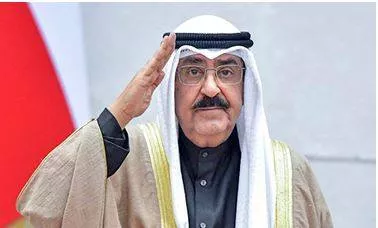
The mass revocations have been cast as part of a reformist agenda spearheaded by Kuwaiti emir Sheikh Meshal al-Ahmad Al-Sabah, who dissolved Parliament and suspended parts of the constitution five months after taking power in December 2023. His latest citizenship policy appears aimed at restricting nationality to those with blood ties to the tiny, oil-rich nation, reshaping Kuwaiti identity and potentially trimming its electorate after years of political crisis, analysts said.
In a televised speech to the country of nearly five million — only a third of them Kuwaitis — the emir pledged in March to “deliver Kuwait to its original people clean and free from impurities”.
Lama is among more than 37,000 people, including at least 26,000 women, who have lost Kuwaiti nationality since August. Media reports suggest the real number could be much higher.
While large-scale citizenship revocations are not unheard of in Kuwait, “the volume is definitely unprecedented”, said Bader al-Saif, assistant professor of history at Kuwait University.
Kuwait already has a big stateless community: the Bidoon, estimated at around 1,00,000 people, who were denied citizenship on independence from British protectorship in 1961.
Dual nationality
The latest campaign abolishes naturalisation by marriage, which only applied to women, and revokes citizenship granted to wives since 1987. Official data shows 38,505 women were naturalised by marriage from 1993 to 2020.
It also targets people with dual nationality, which Kuwait does not allow, and those who became citizens fraudulently. Others naturalised for their achievements, including pop singer Nawal The Kuwaiti and actor Dawood Hussain, have also lost their citizenship.
“Overnight, I became stateless,” businesswoman Amal, who had been Kuwaiti for nearly two decades, said.
Many have been left in legal limbo while they scramble to restore their previous nationality.
“The right to nationality is a very basic human right, and failure to respect and ensure it can wreak havoc on people’s lives, as... the Bidoon know all too well,” Amnesty International’s Mansoureh Mills said.
Analysts say the latest drive has the question of Kuwaiti nationhood at its core. “I trace it to the notion of identity: who are we as a nation?” said Saif.
While Kuwait’s Parliament is a rarity in the monarchical Gulf, its tiered citizenship system limits political rights to those born to a Kuwaiti father.
After Iraq’s invasion in 1990, naturalised Kuwaitis were granted voting rights after 20 years of citizenship, as were children born after their father’s naturalisation.
It was “a token of appreciation” for standing by Kuwait, Saif said, but also a “push for national unity after liberation”.
But Kuwait’s new leadership have “an exclusionary vision of Kuwaiti nationalism”, keeping out “people who lack deep roots there”, said Giorgio Cafiero, CEO of Gulf State Analytics.
For researcher Melissa Langworthy, who studied citizenship issues in the Gulf, naturalised women are “being told clearly that they are not the ideal reproducers of the nation”.
“They went after mothers, the heart of the family,” lamented Lama, adding: “We are the mothers and grandmothers of the children of this country.”
Initially cast as a crackdown on fraudsters taking advantage of Kuwait’s generous benefits, the move was welcomed in a country where many complain of corruption and mismanagement. But the mood quickly changed.
Women targeted
A Kuwaiti man whose wife lost her citizenship said the government was equating “innocent women and fraudsters”. His wife, a retired civil servant, had her pension suspended for more than six months and her bank loan frozen.
“What kind of message are we conveying by inciting racism and treating them unfairly?” he said.
Authorities have promised the women will be treated as Kuwaiti and can keep their social benefits, but those hit by the campaign have lost any political rights.
The emir cited constant standoffs between lawmakers and the royal-appointed Cabinet when he dissolved the Parliament, which had long delayed reforms needed to diversify the oil-reliant economy.
“The Kuwaiti leadership is possibly seeking to reduce the citizen population in order to shape a smaller, more politically manageable electorate,” Mr. Cafiero said.

Icmr’s handheld device to scan brain
Aug 27, 2025






Stay updated with The Hindu Editorial Vocab24 app, your definitive source for breaking news and comprehensive coverage from India and around the globe. Whether it's political developments, business updates, sports highlights, the latest technology trends, or current events, The Hindu brings live, accurate, and reliable news directly to your device.
Don’t fall for sensationalized or fake news shared online. Read and share accurate updates with friends and family through The Hindu Editorial Vocab24 app. Download it today!
News Coverage in The Hindu Editorial Vocab24 App
Breaking News: Receive instant notifications on breaking news stories as they unfold. Stay informed about major events and developments in India and around the world with live blogs, news in shorts videos, and concise articles.
Politics: Get the latest updates on Indian politics, including elections, policy changes, government decisions, and political events that shape the nation.
Business and Economy: Stay ahead in the economic landscape with detailed business news and market analysis. Learn about stock market trends, financial reports, corporate news, and economic developments to make informed investment decisions.
Current Events: Follow stories on social issues, policy changes, global events, and daily current affairs, tailored for UPSC and other competitive exam preparations.
Technology: Keep up with the latest gadgets, innovations, and tech trends. Read expert reviews and analyses in short, concise updates on cutting-edge technology from India and beyond.
Sports: Never miss a moment of your favorite sports. Get live scores, match reports, and expert analysis on cricket, football, tennis, and more.
International News: Stay informed about global events and geopolitical developments, including the Russia-Ukraine war, Israel-Palestine conflict, and other key international stories.
Local News: Stay connected to your community with the latest updates on city events, issues, and local news. Coverage includes hyperlocal updates from cities like Bangalore, Chennai, Delhi, Hyderabad, Mumbai, Kolkata, and more.
Trending Topics: Discover what's trending today with the most talked-about stories and hot topics across India and the world.
Experience journalism that values integrity, accuracy, and reliability. Download The Hindu Editorial Vocab24 app today and stay connected with the world.
Subscribe to our newsletter!







