


India inc pins hopes on implementation of labour codes by states for effective transition
After the Centre on Friday implemented the long-pending four labour codes, the industry said the new norms could help accelerate formal job creation and the widening of the social security net, but much depends on how the states implement the norms.Expressing keen interest in new labour codes, Director-General of the International Labour Organisation, Gilbert F. Houngbo, in a social media post, said social dialogue among government, employers and workers will remain essential as reforms are implemented to ensure they’re positive for workers and business.
The key areas of impact which employers should prepare for include mandatory annual health check-ups, gratuity entitlement for fixed-term employees, social security benefits for gig and platform workers, and stricter requirements around timely wage disbursement, Akhil Chandna, partner, Global People Solutions Leader, Grant Thornton Bharat, said.
“Although the industry had anticipated a transition period, the notification makes the implementation immediate. Employers across sectors should therefore promptly assess and align their internal policies, HR practices, and operational processes with the applicable provisions of the Codes. A review of compensation and benefits structures will also be essential, particularly in light of the revised and uniform definition of ‘wages’ under the new framework,” Chandna said.
IT sector expects pause in misuse of employment norms
India’s largest IT industry association Nasscom said the government’s notification bringing key provisions of the labour codes into effect marks a significant moment in India’s labour reform journey.
“The transition is sequenced and provides continuity, allowing organisations time to understand the notified provisions and prepare for future stages of implementation. The codes aim to expand social security, strengthen workplace safety, improve wage clarity and support wider participation in the workforce,” Nasscom said.
However, industry representatives said enforcement of the code is key as the IT sector particularly faces widespread misuse of contract norms.
“The IT sector already faces widespread misuse of fixed-term roles, probation extensions, forced resignations and classification of employees as ‘consultants’ to avoid benefits. If the rules are not framed and enforced carefully, companies may restructure contracts to bypass obligations. Trade union rights also need to be preserved because, without collective representation, employees in the technology sector may not be able to assert the protections promised to them,” Harpreet Singh Saluja, president, Nascent Information Technology Employees Senate (NITES).
Nasscom said that for the technology sector, clearer employment documentation, parity of benefits for fixed-term workers, expanded social security, and structured grievance mechanisms offer the potential for greater predictability and mobility. These changes can support a skilled workforce and reinforce India’s position as a hub for high-value digital and technology services, it added.
New codes bring clarity & digitisation
Teamlease Vice Chairman Manish Sabharwal said, the new labour codes are an overdue gift to India’s young women, factories, MSMEs and backward states. “But the self-interest of the vocal minority labour aristocracy cannot be considered national interest in a country where 65 per cent of our population is less than 35 years old. It is a major reform that will accelerate formal, non-farm, high-productivity job creation.”
A spokesperson for Uber said the cab aggregator welcomes the government’s move to implement the new labour codes, including the Code on Social Security. Uber looks forward to working closely with the government to ensure the speedy and effective implementation of these reforms.
“The implementation of India’s four new Labour Codes will simplify compliance for employers, reduce regulatory burdens, and foster a more flexible hiring environment. These reforms will accelerate the formalisation of India’s workforce, boost the ease of doing business, and drive formal employment growth,” said Suchita Dutta, executive director, Indian Staffing Federation (ISF).
Puneet Gupta, partner, People Advisory Services, EY India, said that unlike earlier laws that had multiple interpretations and overlapping authorities, the new codes bring clarity, digitisation, and consistency across compliance requirements.
“For workers, the impact is significant, formal employees gain stronger protections and uniform benefits, while gig and platform workers are included in social security schemes for the first time. This transformation will reshape compensation structures, HR policies, and employment models, creating a more inclusive and future-ready labour ecosystem,” Gupta said.
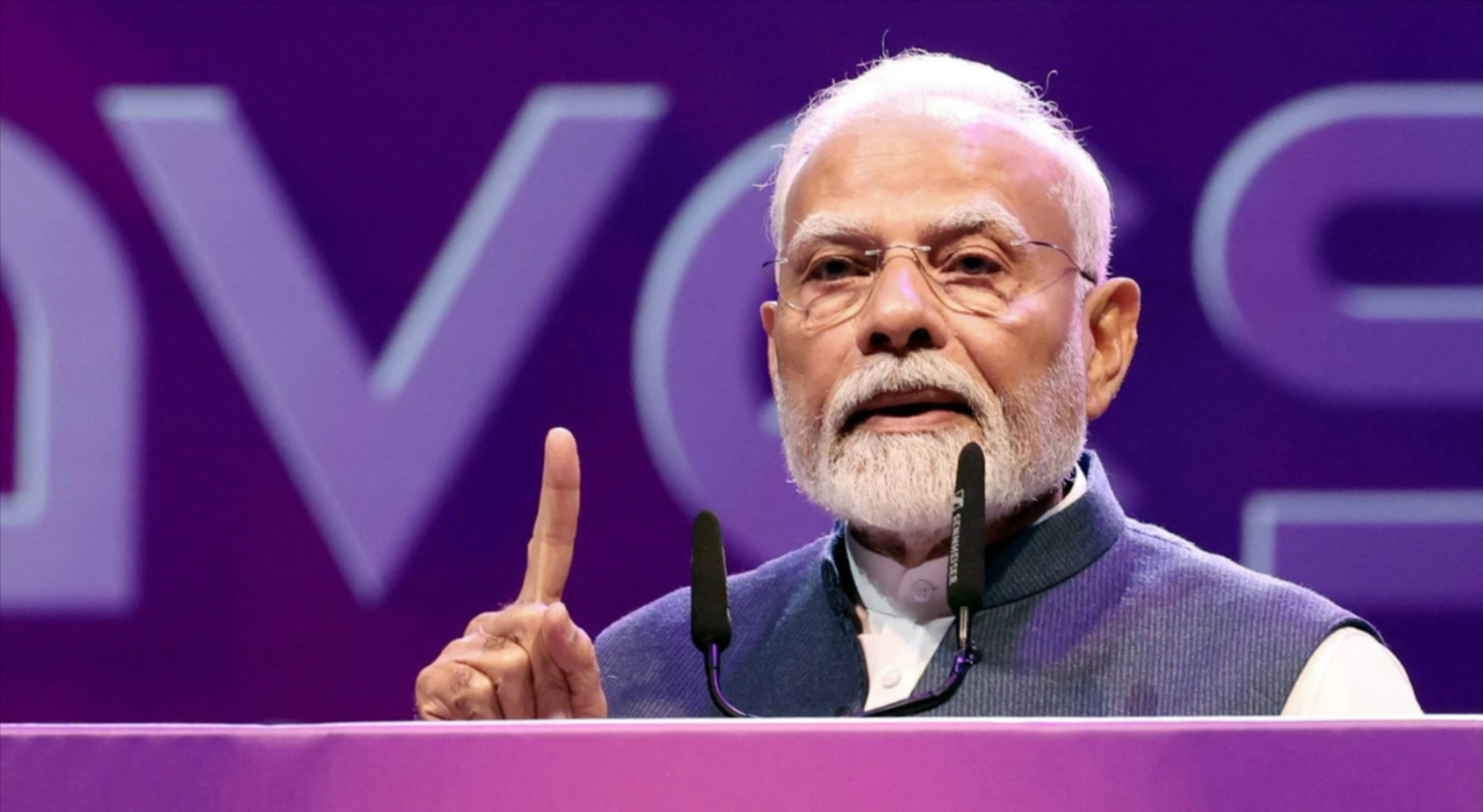
During the WAVES Summit in Mumbai, Prime Minister Narendra Modi underlined India's developing position in the global creative economic sector. During his opening address, India earned the description of an "orange economy" because cultural and creative sectors drive both financial growth and job creation. Rajnikanth and Mukesh Ambani joined

The Mahahtra government achieved a historical milestone by returning to India the historic sword of Raghuji Bhosale I during a Sotheby’s auction in London, which belonged to a notable 18th-century Maratha ruler. The state of Mahahtra achieves its first success in acquiring historical artifacts from international auctions. The bidding





Stay updated with The Hindu Editorial Vocab24 app, your definitive source for breaking news and comprehensive coverage from India and around the globe. Whether it's political developments, business updates, sports highlights, the latest technology trends, or current events, The Hindu brings live, accurate, and reliable news directly to your device.
Don’t fall for sensationalized or fake news shared online. Read and share accurate updates with friends and family through The Hindu Editorial Vocab24 app. Download it today!
News Coverage in The Hindu Editorial Vocab24 App
Breaking News: Receive instant notifications on breaking news stories as they unfold. Stay informed about major events and developments in India and around the world with live blogs, news in shorts videos, and concise articles.
Politics: Get the latest updates on Indian politics, including elections, policy changes, government decisions, and political events that shape the nation.
Business and Economy: Stay ahead in the economic landscape with detailed business news and market analysis. Learn about stock market trends, financial reports, corporate news, and economic developments to make informed investment decisions.
Current Events: Follow stories on social issues, policy changes, global events, and daily current affairs, tailored for UPSC and other competitive exam preparations.
Technology: Keep up with the latest gadgets, innovations, and tech trends. Read expert reviews and analyses in short, concise updates on cutting-edge technology from India and beyond.
Sports: Never miss a moment of your favorite sports. Get live scores, match reports, and expert analysis on cricket, football, tennis, and more.
International News: Stay informed about global events and geopolitical developments, including the Russia-Ukraine war, Israel-Palestine conflict, and other key international stories.
Local News: Stay connected to your community with the latest updates on city events, issues, and local news. Coverage includes hyperlocal updates from cities like Bangalore, Chennai, Delhi, Hyderabad, Mumbai, Kolkata, and more.
Trending Topics: Discover what's trending today with the most talked-about stories and hot topics across India and the world.
Experience journalism that values integrity, accuracy, and reliability. Download The Hindu Editorial Vocab24 app today and stay connected with the world.
Subscribe to our newsletter!







