


‘Gastric emptying takes 3 hours’: Why frequent meals may not suit you
Fixed meal times and frequent snacks can seem like the ultimate hack to sorting your nutritional needs in order. But eating too often in a day can come with its own set of challenges. In conversation with Dr Pal Manickam on his podcast, Dr Nrutya Subramanyam, Lifestyle Medicine Physician at Seethapathy Clinic and Hospital, Chennai said, “Three meals, two snacks a day, really baffles me. I don’t understand how…it’s a bit much. We need to give sometime to the stomach to rest,” adding that, “Gastric emptying time is 3 hours, so you need to give at least three hours for your tummy to be empty before you start filling it up again”.Dr Subramanyam also believes we must eat when we are hungry. Having said that, she pointed out that nowadays, satiety and hunger signals have gone out the window because people are distracted and not listening to their bodies too much. “We are eating time-based, or based on when everyone else is eating,” she said, explaining why we are loading up on more calories than are necessary for the body.
According to Dr Bhavana P, chief dietitian, Gleneagles Hospital, Lakdi Ka Pul, Hyderabad, there is some merit to this claim. Too many meals in a day without allowing your body time to digest can lead to weight gain, especially if the meals are high in calories, sugars, or fats.
“Frequent eating may also disrupt your natural hunger cues and put added strain on your digestive system, and also cause problems like acidity, bloating, gas, and indigestion. Various studies have also proven that grazing all day can increase the risk of metabolic disorders if not managed properly,” she said. In fact, eating too frequently without accounting for portion control or caloric balance can strain the pancreas, affect hormonal responses like leptin and ghrelin, and disrupt natural hunger cues,” said Dr Bhavana.
Exception to note
The only exception to this occurs if you suffer from insulin resistance. In that case, small, frequent meals (SFMs) are a dietary regimen characterised by multiple small eating episodes throughout the day, as they may help stabilise blood sugar levels, particularly in individuals with diabetes or insulin sensitivity.
“Clinical nutrition guidelines recommend SFMs (eg, 6-10 meals) to patients experiencing common symptoms (eg, early satiety) and gastrointestinal-related symptoms,” said Dr Bhavana. According to her, smaller, more frequent meals can also improve satiety, curb overeating, and support steady energy levels throughout the day.
“This approach is also beneficial for people with gastrointestinal issues like acid reflux, as it reduces the pressure on the digestive system compared to large, heavy meals,” said Dr Bhavana.
DISCLAIMER: This article is based on information from the public domain and/or the experts we spoke to. Always consult your health practitioner before starting any routine.
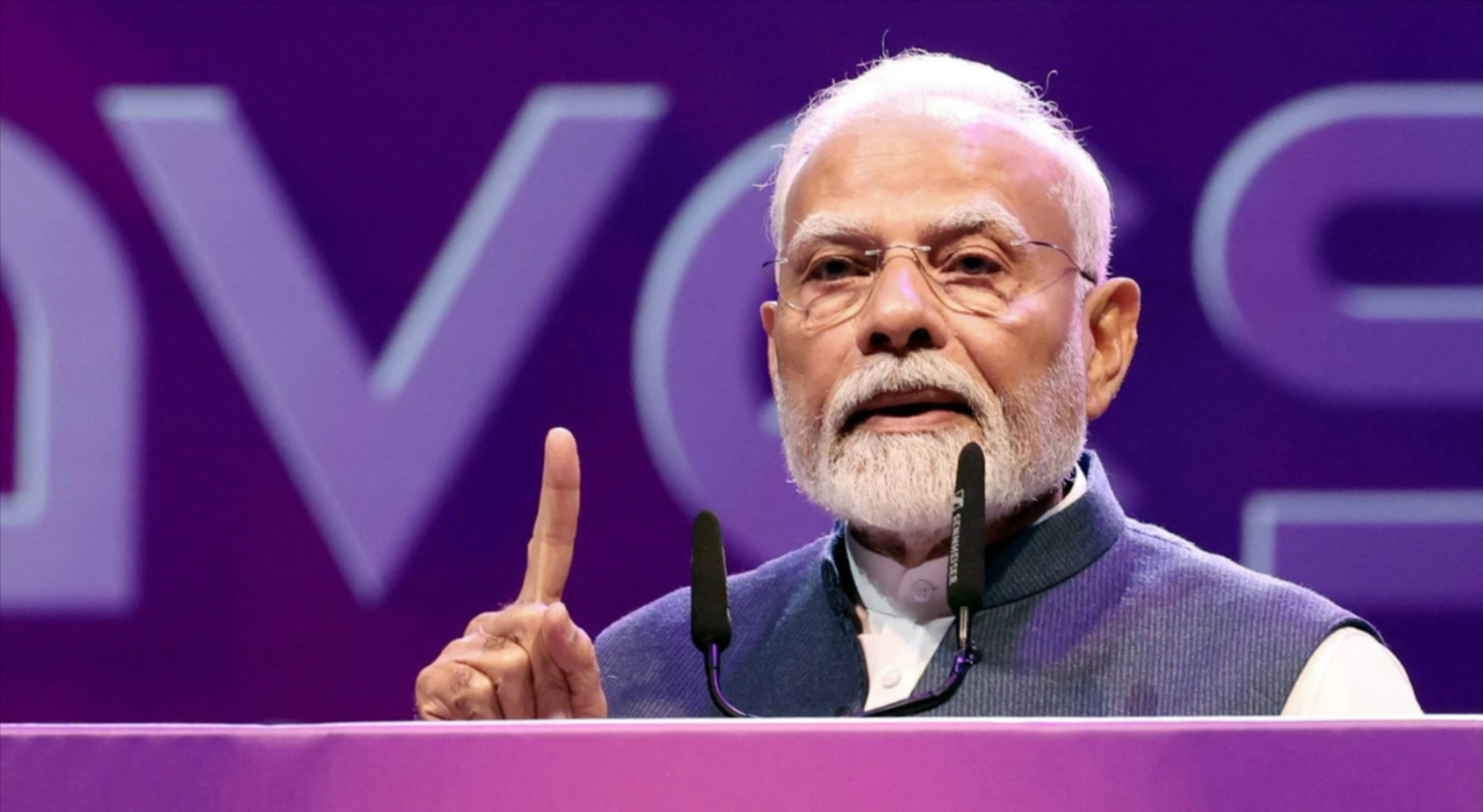
During the WAVES Summit in Mumbai, Prime Minister Narendra Modi underlined India's developing position in the global creative economic sector. During his opening address, India earned the description of an "orange economy" because cultural and creative sectors drive both financial growth and job creation. Rajnikanth and Mukesh Ambani joined

The Mahahtra government achieved a historical milestone by returning to India the historic sword of Raghuji Bhosale I during a Sotheby’s auction in London, which belonged to a notable 18th-century Maratha ruler. The state of Mahahtra achieves its first success in acquiring historical artifacts from international auctions. The bidding
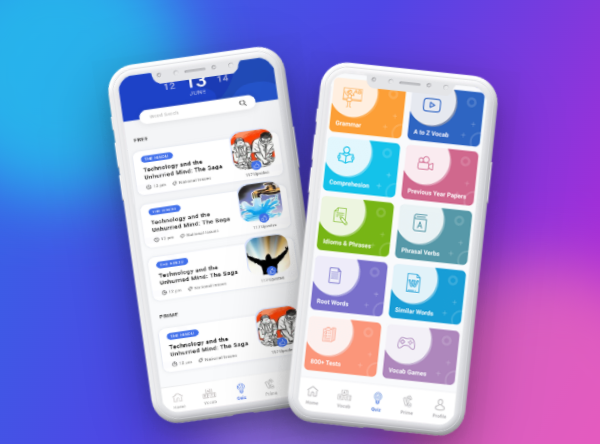




Stay updated with The Hindu Editorial Vocab24 app, your definitive source for breaking news and comprehensive coverage from India and around the globe. Whether it's political developments, business updates, sports highlights, the latest technology trends, or current events, The Hindu brings live, accurate, and reliable news directly to your device.
Don’t fall for sensationalized or fake news shared online. Read and share accurate updates with friends and family through The Hindu Editorial Vocab24 app. Download it today!
News Coverage in The Hindu Editorial Vocab24 App
Breaking News: Receive instant notifications on breaking news stories as they unfold. Stay informed about major events and developments in India and around the world with live blogs, news in shorts videos, and concise articles.
Politics: Get the latest updates on Indian politics, including elections, policy changes, government decisions, and political events that shape the nation.
Business and Economy: Stay ahead in the economic landscape with detailed business news and market analysis. Learn about stock market trends, financial reports, corporate news, and economic developments to make informed investment decisions.
Current Events: Follow stories on social issues, policy changes, global events, and daily current affairs, tailored for UPSC and other competitive exam preparations.
Technology: Keep up with the latest gadgets, innovations, and tech trends. Read expert reviews and analyses in short, concise updates on cutting-edge technology from India and beyond.
Sports: Never miss a moment of your favorite sports. Get live scores, match reports, and expert analysis on cricket, football, tennis, and more.
International News: Stay informed about global events and geopolitical developments, including the Russia-Ukraine war, Israel-Palestine conflict, and other key international stories.
Local News: Stay connected to your community with the latest updates on city events, issues, and local news. Coverage includes hyperlocal updates from cities like Bangalore, Chennai, Delhi, Hyderabad, Mumbai, Kolkata, and more.
Trending Topics: Discover what's trending today with the most talked-about stories and hot topics across India and the world.
Experience journalism that values integrity, accuracy, and reliability. Download The Hindu Editorial Vocab24 app today and stay connected with the world.
Subscribe to our newsletter!







