

Fair play
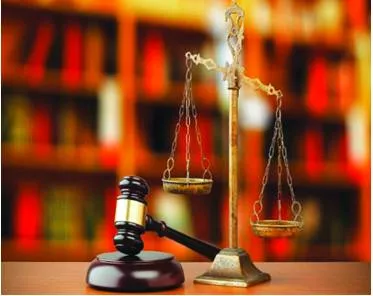
The State’s tendency to charge anyone under the UAPA is facing sustained legal challenge.A pushback is discernible from the judiciary against the inappropriate use of the draconian Unlawful Activities Prevention Act, 1967. The State banking on UAPA to arrest and charge anyone with terrorism is facing a sustained legal challenge. On Thursday, the Supreme Court granted bail to a Kerala youth held under UAPA since 2019 for Maoist links, saying mere association with or support to a terror organisation, the CPI-ML (Maoist) in this case, is “not sufficient” to prove the offence. The “intention of furthering the activities of a terrorist organisation” is missing, the court pointed out. The NIA court, which originally gave bail to the accused, did not prima facie find any evidence in the charge sheet showing this “intention”. The Kerala High Court, which set aside the bail order, did not record this prima facie finding, the Supreme Court observed. Giving bail in UAPA cases is a cumbersome affair as the court has to satisfy itself that there are reasonable grounds to believe that the charge of terrorism against the accused is prima facie not true. In this case, both the NIA court and the apex court came to that conclusion. It is not often that such a conclusion comes about. A prima facie analysis tests the judge’s perspicacity to weigh evidence filed by the prosecution and defence. That is possible more in civil cases than UAPA cases because the evidence in the former is mostly documentary. Moreover, a Supreme Court judgment in 2019 said that a court cannot go into the merits of a case or scrutinise the admissibility of evidence when deciding on bail.
As a result, in most cases, bail is ruled out. In the case of Stan Swamy, who was old, not in good health, hardly a flight risk and where the court had the power to place enough restrictions on him, bail was still not granted. One can only hope the court found a prima facie case against him. The pushback began in a startling case of judicial activism this June when the Delhi High Court gave bail to three student activists on the ground that protests, like inflammatory speeches and roadblocks, were not terrorist acts under UAPA. The court rejected the prosecution case built around WhatsApp messages and statements of witnesses who later turned “approvers” and said that tough penal laws could not be applied to ordinary protests which should be dealt with under ordinary criminal laws. The Supreme Court did not intervene in the High Court bail order while not treating it as a precedent. The court rightly felt the issue had “pan-India ramifications” and it had to “decide” on the “many questions involved” for the “good of the entire country”. The judiciary has so far been restrained in ensuring that draconian provisions, arbitrarily used, do not come in the way of granting bail to the accused. That is changing. It is time to hold the State to higher standards and disallow it to get away with questionable prosecutions.
Can quad restrain wayward china
May 29, 2022
Concerns over finland sweden joining nato
May 22, 2022
Sustainability road to a better future
May 16, 2022
Aap lays out its goal
May 11, 2022
Shanghai covid crisis a test for xi’s leadership
May 09, 2022
The idea of universal equality
May 06, 2022





Stay updated with The Hindu Editorial Vocab24 app, your definitive source for breaking news and comprehensive coverage from India and around the globe. Whether it's political developments, business updates, sports highlights, the latest technology trends, or current events, The Hindu brings live, accurate, and reliable news directly to your device.
Don’t fall for sensationalized or fake news shared online. Read and share accurate updates with friends and family through The Hindu Editorial Vocab24 app. Download it today!
News Coverage in The Hindu Editorial Vocab24 App
Breaking News: Receive instant notifications on breaking news stories as they unfold. Stay informed about major events and developments in India and around the world with live blogs, news in shorts videos, and concise articles.
Politics: Get the latest updates on Indian politics, including elections, policy changes, government decisions, and political events that shape the nation.
Business and Economy: Stay ahead in the economic landscape with detailed business news and market analysis. Learn about stock market trends, financial reports, corporate news, and economic developments to make informed investment decisions.
Current Events: Follow stories on social issues, policy changes, global events, and daily current affairs, tailored for UPSC and other competitive exam preparations.
Technology: Keep up with the latest gadgets, innovations, and tech trends. Read expert reviews and analyses in short, concise updates on cutting-edge technology from India and beyond.
Sports: Never miss a moment of your favorite sports. Get live scores, match reports, and expert analysis on cricket, football, tennis, and more.
International News: Stay informed about global events and geopolitical developments, including the Russia-Ukraine war, Israel-Palestine conflict, and other key international stories.
Local News: Stay connected to your community with the latest updates on city events, issues, and local news. Coverage includes hyperlocal updates from cities like Bangalore, Chennai, Delhi, Hyderabad, Mumbai, Kolkata, and more.
Trending Topics: Discover what's trending today with the most talked-about stories and hot topics across India and the world.
Experience journalism that values integrity, accuracy, and reliability. Download The Hindu Editorial Vocab24 app today and stay connected with the world.
Subscribe to our newsletter!







