

Environment & biodiversity
IntroductionAnimals are among the most diverse and fascinating living beings on Earth. From the tiniest insects crawling beneath the soil to the largest whales swimming in the oceans, the animal kingdom reflects the miracle of evolution and the balance of nature. Animals have existed for millions of years, adapting to different habitats and climatic conditions. They not only form an essential part of ecosystems but also play a vital role in the survival of humans by providing food, clothing, labor, and companionship. However, despite their significance, animals face multiple threats today due to human exploitation, habitat destruction, and climate change. Understanding their diversity, ecological importance, and the need for conservation is critical for a sustainable future.
________________________________________ Diversity of the Animal Kingdom
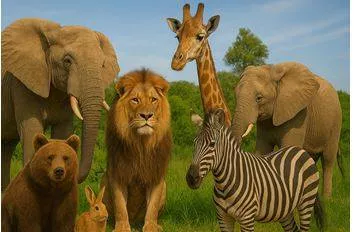
The animal kingdom is one of the broadest groups of living organisms, consisting of millions of species spread across land, water, and air. Biologists classify animals into different groups such as mammals, birds, reptiles, amphibians, fish, and invertebrates like insects, mollusks, and arachnids. Each group exhibits unique characteristics:
• Mammals are warm-blooded, give birth to young ones, and feed them with milk (e.g., humans, elephants, lions).
• Birds are feathered, warm-blooded, and known for their ability to fly (e.g., eagles, sparrows, penguins).
• Reptiles are cold-blooded and include snakes, lizards, crocodiles, and turtles.
• Amphibians live both on land and water, such as frogs and salamanders.
• Fish represent the oldest group of vertebrates and live exclusively in water.
• Invertebrates like insects, worms, and jellyfish form the majority of animal species on Earth.
This diversity not only adds beauty to our planet but also maintains the equilibrium of ecosystems by fulfilling specialized roles.
________________________________________ Ecological Importance of Animals
Animals are crucial for maintaining balance in nature. Their roles include:
1. Pollination and Seed Dispersal: Bees, butterflies, bats, and birds pollinate flowers, ensuring plant reproduction. Similarly, animals like elephants disperse seeds through their dung, helping forests regenerate.
2. Food Chain and Predator-Prey Balance: Carnivores regulate herbivore populations, preventing overgrazing, while herbivores control plant growth. The removal of one species can disrupt the entire food web.
3. Soil Fertility: Earthworms, termites, and other decomposers enrich soil by breaking down organic matter.
4. Marine Balance: Fish and other marine creatures regulate coral reefs, algae, and plankton populations, ensuring ocean health.
5. Human Dependency: Humans rely heavily on animals for food (meat, milk, eggs), raw materials (wool, silk, leather), and labor (horses, oxen, camels). Even scientific research and medicines are often developed using animals.
________________________________________ Animals in Human Culture and History
Throughout history, animals have influenced human life in countless ways. Ancient civilizations worshipped animals as sacred beings. In India, cows are considered holy, while in Egyptian culture, cats were worshipped. Horses transformed human travel and warfare, while dogs have been loyal companions and protectors for centuries. Folklore, literature, and art across the world feature animals as symbols of courage, wisdom, or trickery. Even today, animals inspire creativity, spirituality, and emotional bonding.
________________________________________ Threats to Animal Life
Despite their importance, animals face unprecedented threats in the modern world:
• Habitat Loss: Urbanization, deforestation, and agriculture destroy forests and wetlands, leaving animals homeless.
• Poaching and Overexploitation: Elephants are killed for ivory, tigers for skins, and sharks for fins, leading to rapid population decline.
• Climate Change: Rising global temperatures disrupt migration patterns, food availability, and breeding cycles. Polar bears, for example, struggle due to melting Arctic ice.
• Pollution: Plastics in oceans kill turtles and whales, while pesticides harm bees and other pollinators.
• Invasive Species: The introduction of non-native species threatens local ecosystems, often wiping out native animals.
________________________________________ Conservation Efforts
Conserving animals is not just about protecting wildlife; it is about ensuring the survival of all life on Earth, including humans. Conservation efforts include:
1. Protected Areas: National parks, wildlife sanctuaries, and biosphere reserves provide safe habitats. Examples include Kaziranga National Park for rhinos and Gir Forest for lions.
2. International Agreements: The Convention on International Trade in Endangered Species (CITES) and the International Union for Conservation of Nature (IUCN) work globally to protect endangered species.
3. Captive Breeding and Reintroduction: Zoos and research centers breed endangered species like the panda and release them into the wild.
4. Awareness and Education: NGOs and governments conduct campaigns to promote animal rights and eco-friendly lifestyles.
5. Legislation: Laws such as the Wildlife Protection Act (1972, India) and the Endangered Species Act (USA) make poaching and illegal trade punishable.
________________________________________ Animals and the Future of Humanity
As we enter the age of technology and artificial intelligence, it is easy to forget that our survival is still deeply tied to animals and nature. The disappearance of bees could collapse global agriculture, the loss of forests could accelerate climate change, and the extinction of keystone species could destabilize ecosystems. Protecting animals means protecting our own food security, climate stability, and overall well-being.
Moreover, animals are not merely resources but sentient beings capable of emotions and suffering. Ethical considerations demand that we treat them with compassion. Practices like factory farming, animal testing, and entertainment shows often ignore animal welfare, raising questions about morality in human progress.
________________________________________ Conclusion
The world of animals is vast, diverse, and essential for life on Earth. They enrich ecosystems, support human survival, and inspire culture and imagination. Yet, they are under grave threat from human actions. Conservation is no longer optional but a necessity for ensuring the balance of life. By protecting animals, we are ultimately protecting ourselves and the generations to come. A sustainable future requires coexistence, where humans respect animals not only as resources but as fellow inhabitants of this planet.






Stay updated with The Hindu Editorial Vocab24 app, your definitive source for breaking news and comprehensive coverage from India and around the globe. Whether it's political developments, business updates, sports highlights, the latest technology trends, or current events, The Hindu brings live, accurate, and reliable news directly to your device.
Don’t fall for sensationalized or fake news shared online. Read and share accurate updates with friends and family through The Hindu Editorial Vocab24 app. Download it today!
News Coverage in The Hindu Editorial Vocab24 App
Breaking News: Receive instant notifications on breaking news stories as they unfold. Stay informed about major events and developments in India and around the world with live blogs, news in shorts videos, and concise articles.
Politics: Get the latest updates on Indian politics, including elections, policy changes, government decisions, and political events that shape the nation.
Business and Economy: Stay ahead in the economic landscape with detailed business news and market analysis. Learn about stock market trends, financial reports, corporate news, and economic developments to make informed investment decisions.
Current Events: Follow stories on social issues, policy changes, global events, and daily current affairs, tailored for UPSC and other competitive exam preparations.
Technology: Keep up with the latest gadgets, innovations, and tech trends. Read expert reviews and analyses in short, concise updates on cutting-edge technology from India and beyond.
Sports: Never miss a moment of your favorite sports. Get live scores, match reports, and expert analysis on cricket, football, tennis, and more.
International News: Stay informed about global events and geopolitical developments, including the Russia-Ukraine war, Israel-Palestine conflict, and other key international stories.
Local News: Stay connected to your community with the latest updates on city events, issues, and local news. Coverage includes hyperlocal updates from cities like Bangalore, Chennai, Delhi, Hyderabad, Mumbai, Kolkata, and more.
Trending Topics: Discover what's trending today with the most talked-about stories and hot topics across India and the world.
Experience journalism that values integrity, accuracy, and reliability. Download The Hindu Editorial Vocab24 app today and stay connected with the world.
Subscribe to our newsletter!







