

Discordant notes a year after demonetisation
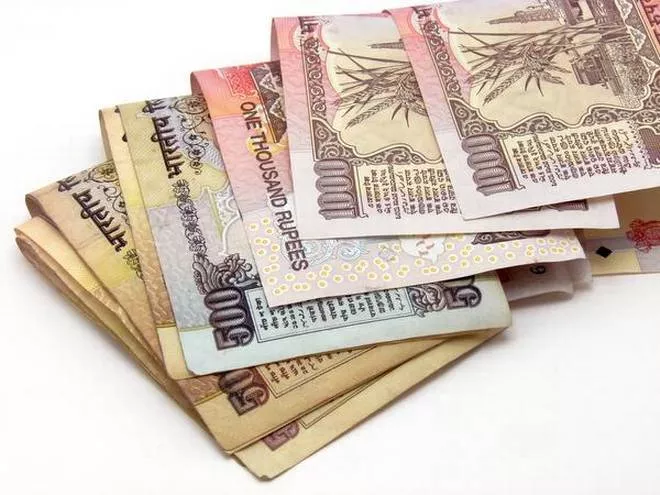
A year after demonetisation, its effects have still not been quantifiedThe National Democratic Alliance government is celebrating November 8, the anniversary of demonetisation, as Anti-Black Money Day. Cabinet Ministers will disperse to State capitals where they will elaborate on demonetisation’s numerous putative successes. The Prime Minister may be in Gujarat, which goes to polls next month. All day there is bound to be much speech-making. Evidence and analysis that tax officials have compiled is likely to be taken on board to add substance to political rhetoric. The bandobast details, released to the media in advance, suggest that the planning has been meticulous.
In the days after more than 80% of the cash in circulation was removed via demonetisation a year ago, chiefly in the quest to stifle the black economy, the discourse turned so extreme and divisive, the goals were sought to be shifted so fast, that getting a fix on demonetisation became tough. So the anniversary is a good occasion to revisit the question: has the note-ban proved to be an effective policy tool to attack the black economy and control corruption? The flow of information recently from the Reserve Bank of India (RBI) makes some analysis possible.
A few good clues
Both former RBI Governor Raghuram Rajan and Deputy Governor R. Gandhi have, following their departures from the central bank, made a few things clear. One, the central bank’s recommendation to the government was that demonetisation would prove to be a weak weapon in the war on black money, and that superior policy alternatives were available for achieving the objective. Second, the government pressed ahead with demonetisation, overruling this expert advice.
It appears the government was in fact out of its depth on the subject. The results from its counting of the returned notes show that the RBI did have a point. With 99% of the demonetised ₹500 and ₹1,000 notes back in the banking system, little of the stock of the black money in the country was evidently extinguished. Which means it was successfully converted into other forms, thereby delaying, if not altogether escaping, detection.
Now, the tax authorities say that they are on the trail of the bank deposits made after November 8, 2016, and are investigating suspicious accounts.
The amounts under investigation so far, however, constitute a drop in the ocean. Yes, demonetisation delivered leads, but establishing criminal evasion and ensuring that the corrupt are punished is a monumental effort. Plus, the tax department’s past record of proving evasion is unlikely to be giving offenders nightmares. The faulty system is skewed in their favour. Procedures are time-consuming; there are limitations of administrative and judicial capacity, handicaps the government seems to be grossly underestimating. It could well be years before any serious large-scale clean-up is accomplished, representing at best a promise of a deferred payback from demonetisation.
Another challenge is that of measurement. Although the chief goal of demonetisation was to place a check on black money, the central theme of the Prime Minister’s policy agenda, the government has no official estimate of the size of the black economy. Unofficial estimates range from a third of the white economy to as much as the country’s GDP. Without an official estimate, it is impossible to meaningfully evaluate by how much demonetisation successfully down-sized the black economy, if at all.
Some contradictions
The agenda itself is fraught with contradictions. For weeks now, the rules requiring purchase of gold and diamonds (for ₹2 lakh or less) to be linked to PAN (Permanent Account Number) are in suspension. Conversion of black money into gold and diamonds has gone on unencumbered. The window opened when the rules were taken down for a technical reason — they had to be reworded. No one knows how long this window will remain open.
A year after demonetisation was announced, the questions seem to outnumber the answers. Electorally, voters may judge the policy in terms of intent rather than outcomes. Economists may quibble over the undue costs owing to the debilitating impact on the momentum of economic growth, even as damage to the vulnerable informal sectors remains unmeasured. The government’s spokespersons may extol the shrinking cash economy and growing digitisation. But an assessment of demonetisation on Anti-Black Money Day can be complete only if its deliverables on the state of corruption and the corrupt are established.
Missing from the jumble of successes, data and analyses to be exhibited today will be conclusive proof of reduced corruption with evidence-backed answers to questions like: Are fewer bribes being paid and demanded than a year ago? Is corruption down? Are Indians evading less tax post-demonetisation? It would seem India is all set to celebrate what has probably not — can possibly not — actually be measured.




Top court quashes FIRs against Gen Z protesters
Sep 04, 2026







Stay updated with The Hindu Editorial Vocab24 app, your definitive source for breaking news and comprehensive coverage from India and around the globe. Whether it's political developments, business updates, sports highlights, the latest technology trends, or current events, The Hindu brings live, accurate, and reliable news directly to your device.
Don’t fall for sensationalized or fake news shared online. Read and share accurate updates with friends and family through The Hindu Editorial Vocab24 app. Download it today!
News Coverage in The Hindu Editorial Vocab24 App
Breaking News: Receive instant notifications on breaking news stories as they unfold. Stay informed about major events and developments in India and around the world with live blogs, news in shorts videos, and concise articles.
Politics: Get the latest updates on Indian politics, including elections, policy changes, government decisions, and political events that shape the nation.
Business and Economy: Stay ahead in the economic landscape with detailed business news and market analysis. Learn about stock market trends, financial reports, corporate news, and economic developments to make informed investment decisions.
Current Events: Follow stories on social issues, policy changes, global events, and daily current affairs, tailored for UPSC and other competitive exam preparations.
Technology: Keep up with the latest gadgets, innovations, and tech trends. Read expert reviews and analyses in short, concise updates on cutting-edge technology from India and beyond.
Sports: Never miss a moment of your favorite sports. Get live scores, match reports, and expert analysis on cricket, football, tennis, and more.
International News: Stay informed about global events and geopolitical developments, including the Russia-Ukraine war, Israel-Palestine conflict, and other key international stories.
Local News: Stay connected to your community with the latest updates on city events, issues, and local news. Coverage includes hyperlocal updates from cities like Bangalore, Chennai, Delhi, Hyderabad, Mumbai, Kolkata, and more.
Trending Topics: Discover what's trending today with the most talked-about stories and hot topics across India and the world.
Experience journalism that values integrity, accuracy, and reliability. Download The Hindu Editorial Vocab24 app today and stay connected with the world.
Subscribe to our newsletter!







